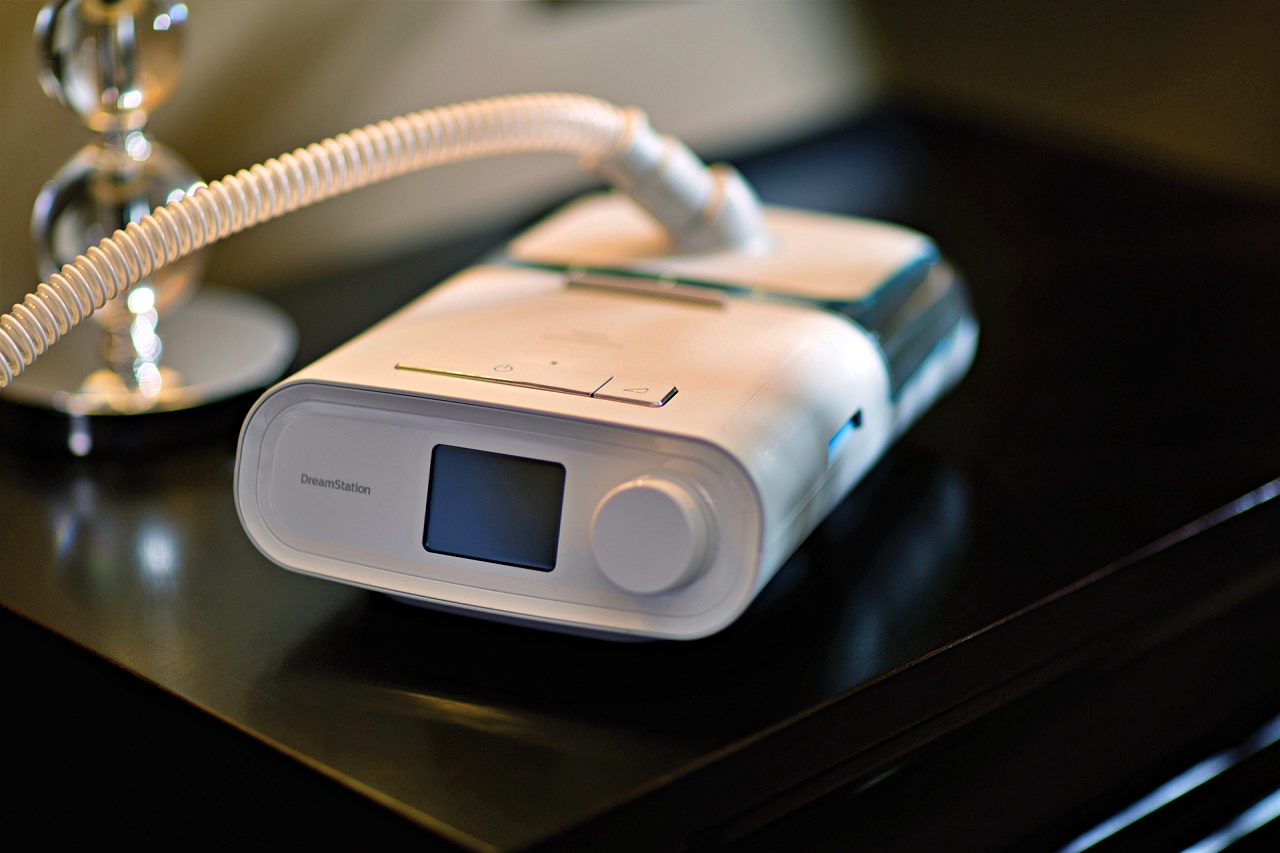
Philips announced it is recalling certain models of its respiratory machines, and this was announced early this week. The U.S. Food and Drug Administration also posted a notice about said product and cited possible contamination of plastic components as the reason for the recall.
According to Reuters, if the said plastic component is inside the respiratory machine's motor of the BiPAP or the bi-level positive airway pressure, the device may discharge certain chemicals that may be harmful to the users. The FDA said that such substances are called volatile organic compounds, and this is a concern.
Philips already recalled certain respiratory devices not long ago, and on Monday this week, it expanded the recall to some other respiratory machines. The company said about 1,700 devices are now covered in the latest recall.
The Dutch firm based in Amsterdam, Netherlands, confirmed that its subsidiary, Philips Respironics, is the one involved in the issue. Its spokesperson said that while a recall has been issued, they have not received any reports of injuries to patients related to the recall.
The firm's spokesperson said the call back on the devices was only put in place as a precautionary measure to prevent future occurrences. Of the 1,700 machines that are being recalled, 386 of them are in the United States and none in the Netherlands, where the brand is based.
"All affected devices with the non-conforming plastic will therefore be remediated in the June 2021 field action," the company stated via the US Food and Drug Administration's website. "The Philips Respironics BiPAP machines included in this recall may contain a plastic contaminated with a non-compatible material."
The company further stated in the notice, "If that plastic is in the device motor, it may release certain chemicals of concern called volatile organic compounds (VOCs). The plastic may also cause the machine to fail and stop working suddenly during use."
Finally, the FDA mentioned that some of the potential risks when the VOCs are inhaled by the patient include: headache, dizziness, irritation in the eyes, nose, respiratory tract (airway), and skin, hypersensitivity reaction, such as an allergic reaction or another immune system reaction, nausea or vomiting, and finally, toxic and cancer-causing effects.