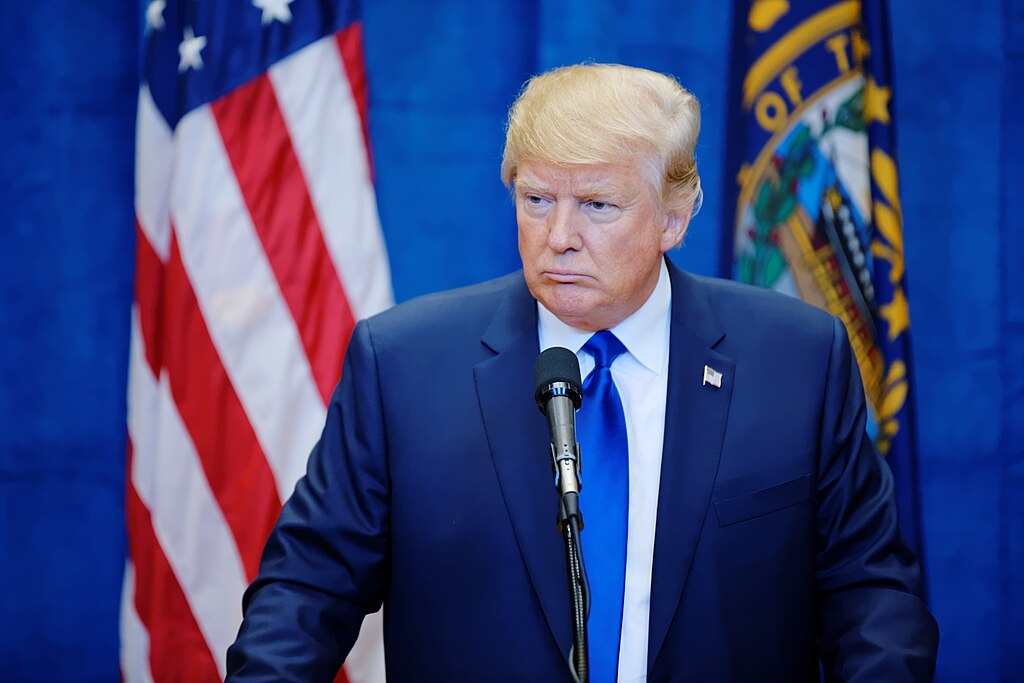
Emerging markets are under pressure as U.S. President Donald Trump’s new tariffs—some reaching 50%—push levies to century-high levels, sparking fears of a global trade war and worsening credit outlooks. The move hits Asia and the world’s poorest economies hardest, threatening capital flows and development.
The sweeping tariffs impact a wide range of exports, from Madagascar’s vanilla (47%) to Sri Lanka’s textiles (44%). Six Southeast Asian nations face levies between 32% and 49%, heavily affecting “Factory Asia.” U.S. banks like JPMorgan and Goldman Sachs have responded by downgrading emerging market currencies and projecting economic slowdowns—Goldman predicts a 1% GDP drag for China, with ripple effects across emerging economies.
John Denton of the International Chamber of Commerce warned the tariffs could trigger sovereign credit downgrades and likened the shock to the 1970s energy crisis. Investor sentiment has already turned, with some questioning the long-term viability of export-driven growth in emerging markets.
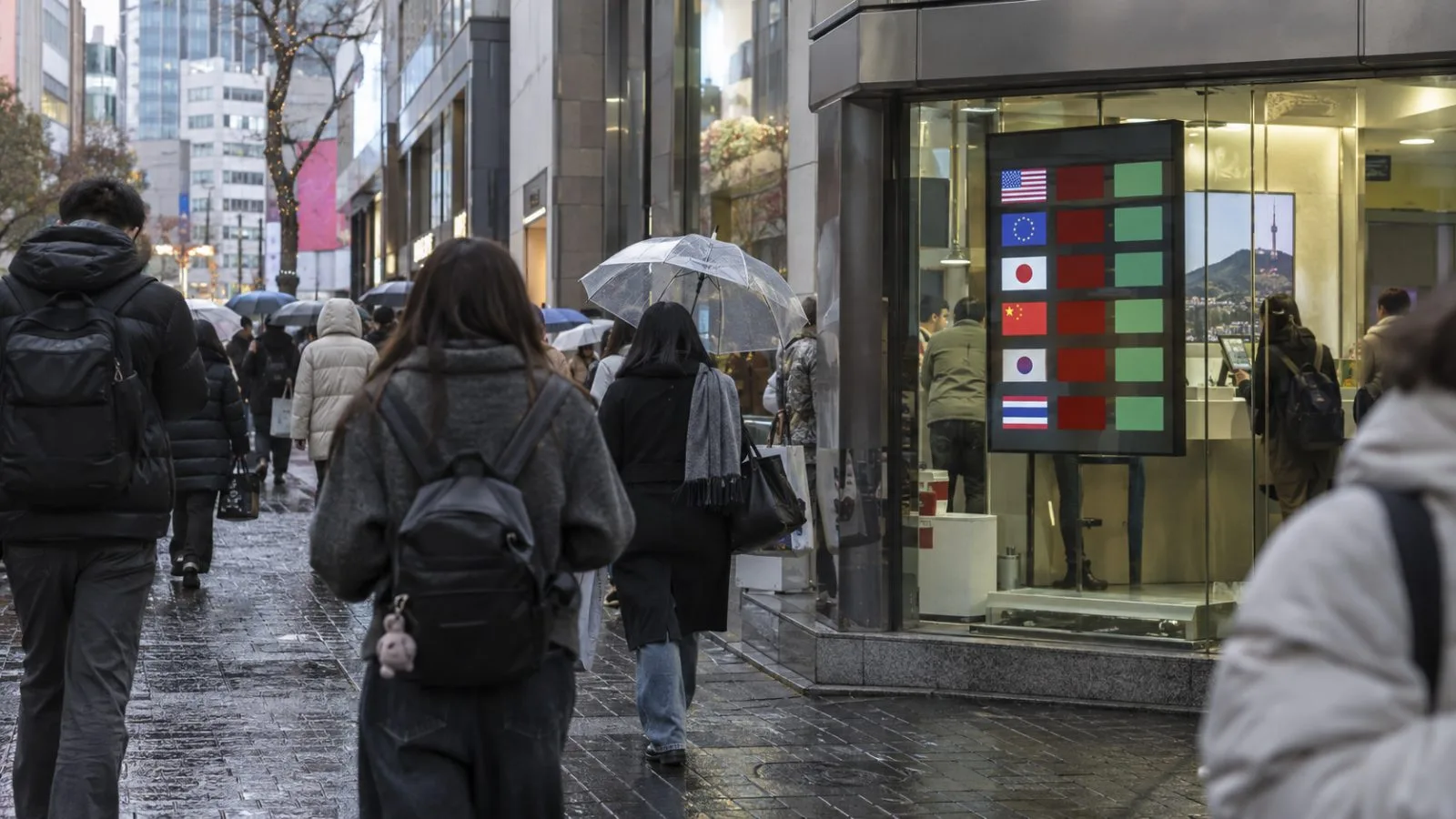
Financial markets reacted sharply. Vietnam’s stock index dropped nearly 7%, while its currency hit a record low. Sri Lanka’s sovereign bonds fell over 3 cents, and Thailand’s baht hit a multi-month low. HSBC’s Fred Neumann expects Asian central banks to prioritize growth through rate cuts, as inflation concerns take a backseat.
While countries like Kenya hope to benefit from lower tariffs, others like Cambodia and Bangladesh—facing 49% and 37% tariffs respectively—face major setbacks, especially given their heavy U.S. export reliance. IMF Chief Kristalina Georgieva noted many countries are already burdened by post-COVID debt and lack policy tools to weather new shocks.
As markets adjust to this dramatic shift, investors remain cautious, questioning how long these aggressive trade measures will last and what their long-term impact on global trade will be.