


 Samsung, SK Hynix Shares Fall as China's CXMT Advances DRAM Technology
  MNX Crypto Exchange Launches Futures for OpenAI, Anthropic Valuations
  NEAR Protocol Leads AI Crypto Rally Amid Fed Rate Hike Fears
  Nvidia Invests in Four French AI Companies to Expand European Presence
  Apple Supplier Luxshare Sees Limited Impact From US Patent Probe
  Elon Musk Eyes Semiconductor Manufacturing Expansion With $15 Billion Terrafab Project
  Trump Buys Up to $25M in Meta Stock, Invests in SpaceX Debt
  Citi Upgrades Galaxy Digital Stock, Raises Price Target to $28
  New York Times, AFP Join Coalition to Protect Content From AI
  Samsung, SK Hynix Shares Plunge as China Chip Competition Grows
  AT&T Sells Mexico Wireless Business to Televisa for $2 Billion
  Apple Cuts iPhone 18 Pro Production Orders Amid Weak Demand
  Zcash Plans Quantum-Resistant Security Upgrade for January
  Epic Games Delays Disney Shooter, Shifts to AI-First Development
  Arm Breaches Qualcomm License Deal, Jury Awards $2


 Add as a preferred source on Google
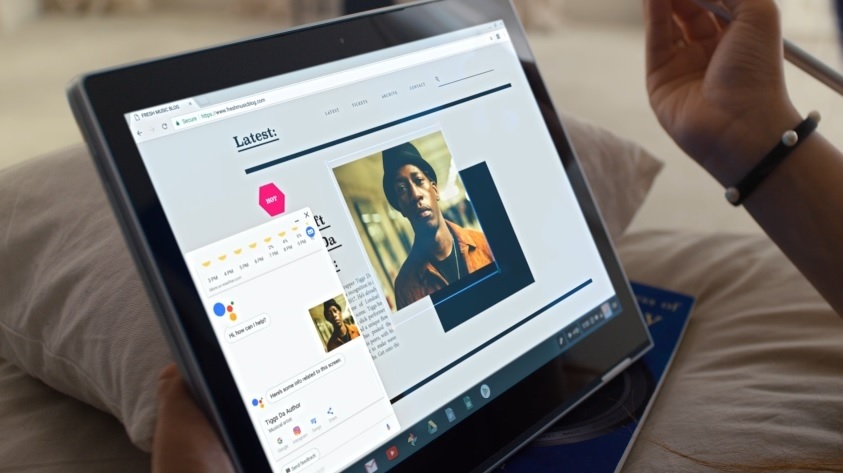
Chromebooks enthusiasts have been waiting for a while for Google to unveil the direct follow-up to its tablet-laptop hybrid that the rumor mill has been calling the Pixelbook 2. If a recent benchmark test result is to be believed, the company might just fulfill their wishes with a twist.
Pixelbook 2 release date, specs: What to expect
Google’s Chrome OS-powered devices have so far all been powered by Intel processors. But if the series of Geekbench tests are to be believed, the sought-after Pixelbook 2 might become the company’s first flagship Chromebooks with AMD Ryzen processors.
Four different devices, all named “Google Zork,” appeared on Geekbench this week all equipped with a 4-core Ryzen 7 3700C and a Radeon Vega graphics card. This is an interesting development considering that a device codenamed “Zork” was first reported last year by About Chromebooks.
Geekbench listings are typically good sources of information leaks about upcoming devices. However, Chromebook fans should still take this with a pinch of salt. Notebook Check suggests, considering all listings were posted on April 1, this might just be a convoluted way to prank those who have been wanting to see Pixelbook 2 happen.
On the other hand, it is also not far-fetched for Google to finally release a follow-up to the 2017 Pixelbook. It has been essentially delayed for two years now after the company opted to launch the Pixel Slate in 2018 and Pixelbook Go last year.
Why the 2019 Pixelbook Go is NOT the Pixelbook 2
With Samsung joining the Chromebook competition, Google might be finally convinced it is time to release the much-awaited Pixelbook 2 with premium specs and features that would rival the Galaxy Chromebook. In case Google is going to announce the Pixelbook 2 this year, the device might be unveiled sometime in fall along with other devices.
Tech fans should not be mistaken as the Pixelbook Go is not an ample replacement for the Pixelbook 2. For one, the Pixelbook Go lacks the 2-in-1 form factor that Google’s premium Chromebook introduced in 2017. As Pixelbook Go’s name suggests, it is Google’s way of introducing a device marketed toward people always on-the-go as it sports a lightweight design.







