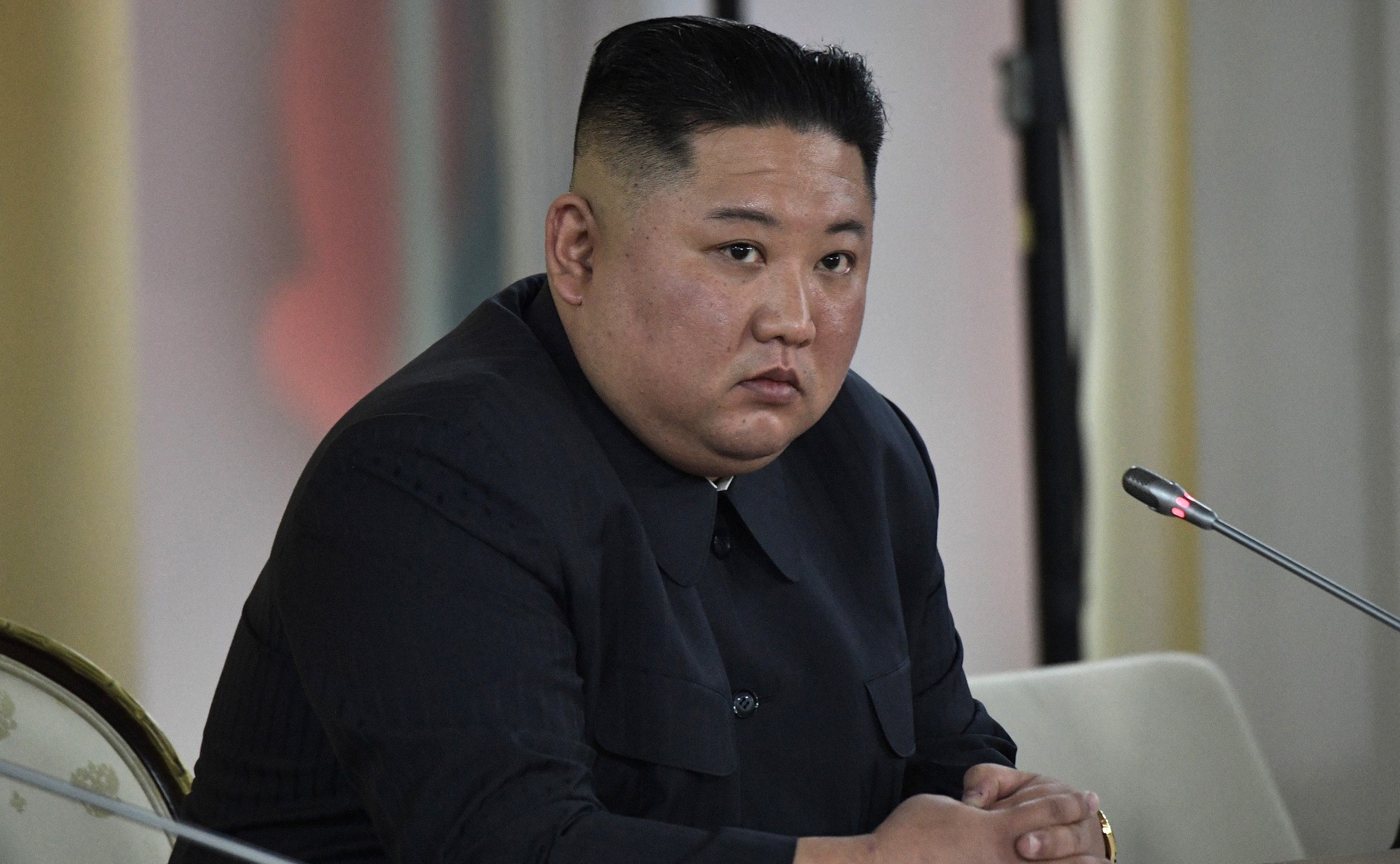
Kim Jong-Un going MIA prompted widespread speculation about the fate of the North Korean leader. For nearly three weeks, it was a frustrating mystery that captivated the world. Made all the more frustrating by the shrouded secrecy of North Korea’s dictatorship.
Naturally, political and media cognoscenti were widely on the curious case of ‘the disappearance of Kim Jong Un.’ On the frontline, so to speak.
Everything and anything was trotted out in explanation of his absence, From speculation about his health to an untimely death and, most importantly, who, in such a tremendously serious eventuality with all the global implications it presents, might succeed Kim Jong Un as the nation’s leader, was put out there for debate.
Mountains of online rumors and various satellite imagery and anonymously sourced reports were poured over, although gaining any real answers was a challenge. Dead ends were everywhere and only more questions were to be had.
That is until North Korea’s state news agency KCNA and the country’s official newspaper Rodong Sinmun this weekend issued a report that the 36-year-old was a picture of health.
Kim Jong Un appears to be alive after all. So how did his "death" make the news? https://t.co/e6LtN12Rdo
— The Washington Post (@washingtonpost) May 5, 2020
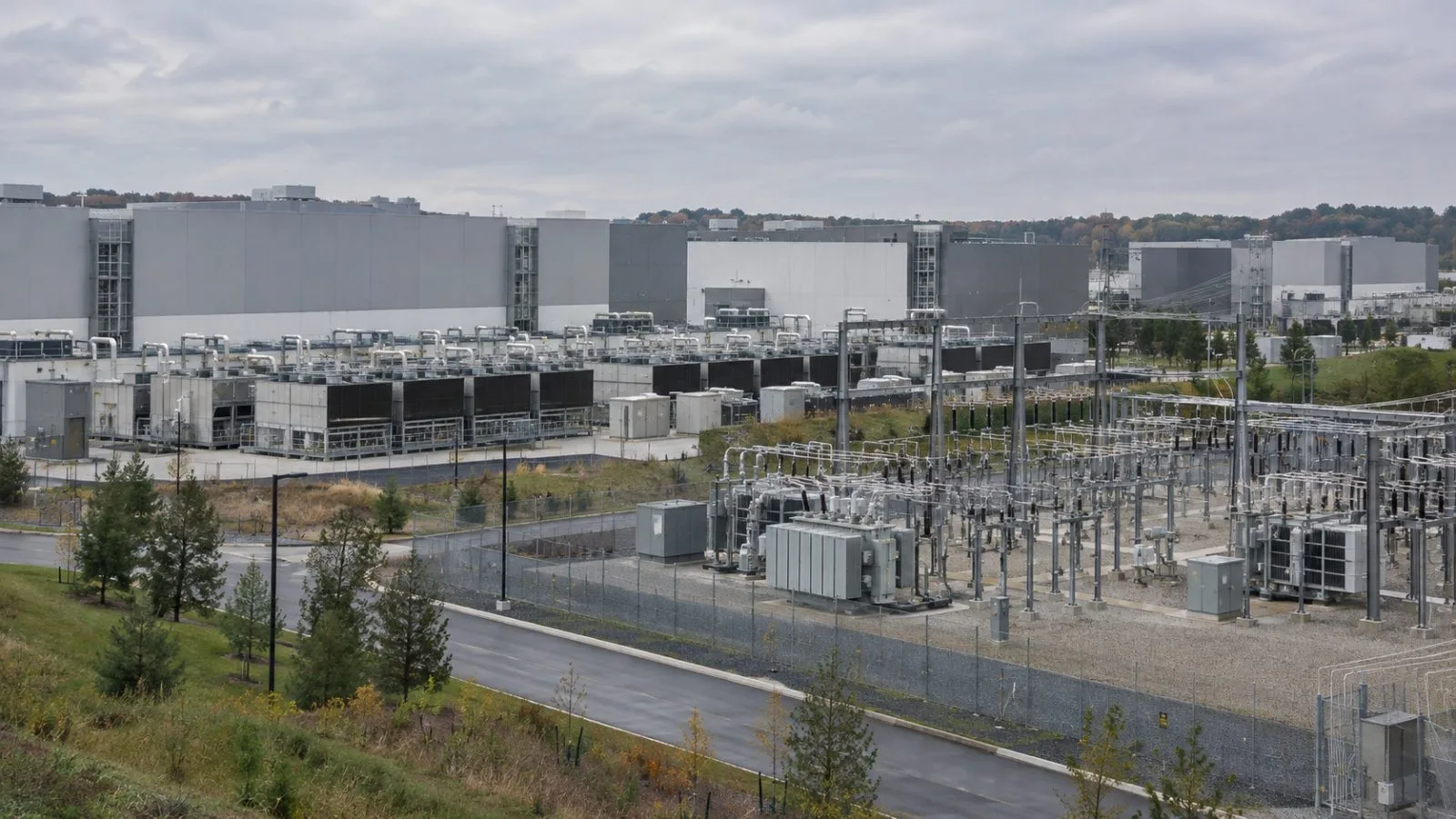
Together the media outlets reported the nation’s supreme leader was fine. More than fine actually. He was flush off a ribbon-cutting formality at a newly opened fertilizer plant north of Pyongyang. Even issuing a video and photos commemorating the pomp and ceremony of the occasion; thereby, which put a damper effectively on all these rumors surrounding the Trump-nicknamed “Rocket Man,” at least for the time being.
Before Kim Jong Un’s reported re-emergence at the weekend, contradicting reports were coming out of the Far East that sparked worst-case scenario prognostications. Several Chinese and South Korean media outlets began by reporting North Korea’s leader was in grave condition or possibly, even, dead after allegedly undergoing a heart procedure.
CNN, ever on top of breaking stories around the world, was on it like a rash, at the first sign of worry. Reporting government officials and US Intelligence Agencies were closely monitoring the situation, with satellite imagery of the whereabouts of the leader’s train offered up as if in evidence of “keeping a close eye on things.”
Some other media outlets floated the idea that the leader might simply be sheltering from the novel coronavirus, even though there are no known confirmed cases of COVID-19 in the country. Given the current climate, this would have been a probable explanation. But North Korea repeatedly insists the deadly bug hasn’t transcended its heavily armed and guarded borders, even when such claims contradict the cancellation of events and the implementation of lockdowns that bear an uncanny resemblance to those virus-mandated lockdowns imposed elsewhere around the world.
The first hint of concern came when Kim Jong Un was noticeably missing from the birth anniversary celebrations of his grandfather and the state’s founding father Kim Il Sung on April 15.
The Day of the Sun, as the national holiday is known in North Korea, is typically marked by Kim Jong Un visiting his grandfather’s mausoleum. It’s also a day during which the dictator enjoys flexing North Korea’s military muscle for the world to see.
When there was no evidence of such a visit and the usually bright day in North Korea’s calendar passed without too much fuss, understandably eyebrows were collectively raised around the world.
The reason for Kim Jong Un’s absence may never be disclosed or fully discovered. North Korea isn’t exactly forthcoming with what it does behind its closed borders. It’s something of an “Un petit mystery, n’est-ce pas?”
Kim Jong-Un’s sudden disappearing act hasn’t gone without incident, however. An interesting development to emerge from it is the debate about North Korea’s potential succession plan.
Indeed, it remains one of the most intriguing aspects of the cult-like dictatorship, one that is fuelling an altogether separate yet intertwined conversation in various circles.
Kim Yo-Jong, who is the leader’s younger sister, appears to be the favorite to take power. But Kim Pyong II, who is the leader’s uncle, could also be a contender for the country’s coveted leadership role.
Both these potential successors carry with them different levels of military risk to global stability, which is of massive importance. Nevertheless, as with most things pertaining to North Korea, nothing is known with any certainty. Hence, speculation continues to abound.
This article does not necessarily reflect the opinions of the editors or management of EconoTimes