


 Philippines Current Account Deficit Seen at $19.1 Billion in 2026
  Oil Prices Fall as Russia Signals Higher Diesel Exports
  US Dollar Slips From 18-Month High Ahead of Key Inflation Data
  China Bank Lending Rebounds in September, Beats Forecasts
  IMF Maintains 2027 Global Growth Forecast at 3.4% Amid Rising Risks
  Asian Currencies Steady as Dollar Nears 18-Month High Ahead of US CPI
  IMF Warns US Debt Crisis Needs Fiscal Action, Urges China to Boost Consumption
  Gaza Olive Harvest Collapses as War Destroys Farmland
  Samsung, SK Hynix Shares Plunge as China Chip Competition Grows
  Nasdaq Falls as Oil Prices Surge Ahead of Bank Earnings
  Container Ship Sinks in Strait of Hormuz as Iran Attacks Escalate
  Italy’s Meloni Warns US-Russia Diesel Deal Could Weaken Ukraine Sanctions
  Gold Prices Rebound as Dollar Weakens Ahead of US Inflation Data
  Gold Prices Mixed Ahead of US Inflation Data and Fed Rate Outlook
  Fed's Hammack Urges Faster Rate Hikes to Fight Inflation
  Trump Defends Russian Diesel Deal Amid US Sanctions Backlash


 Add as a preferred source on Google
The International Monetary Fund (IMF) released a report this week calling on Australia to raise interest rates again, adding to the speculation the Reserve Bank will increase the cash rate on Tuesday.
If that happens it will be yet another blow to many household budgets, already under strain from the rises in the prices of food, fuel and power.
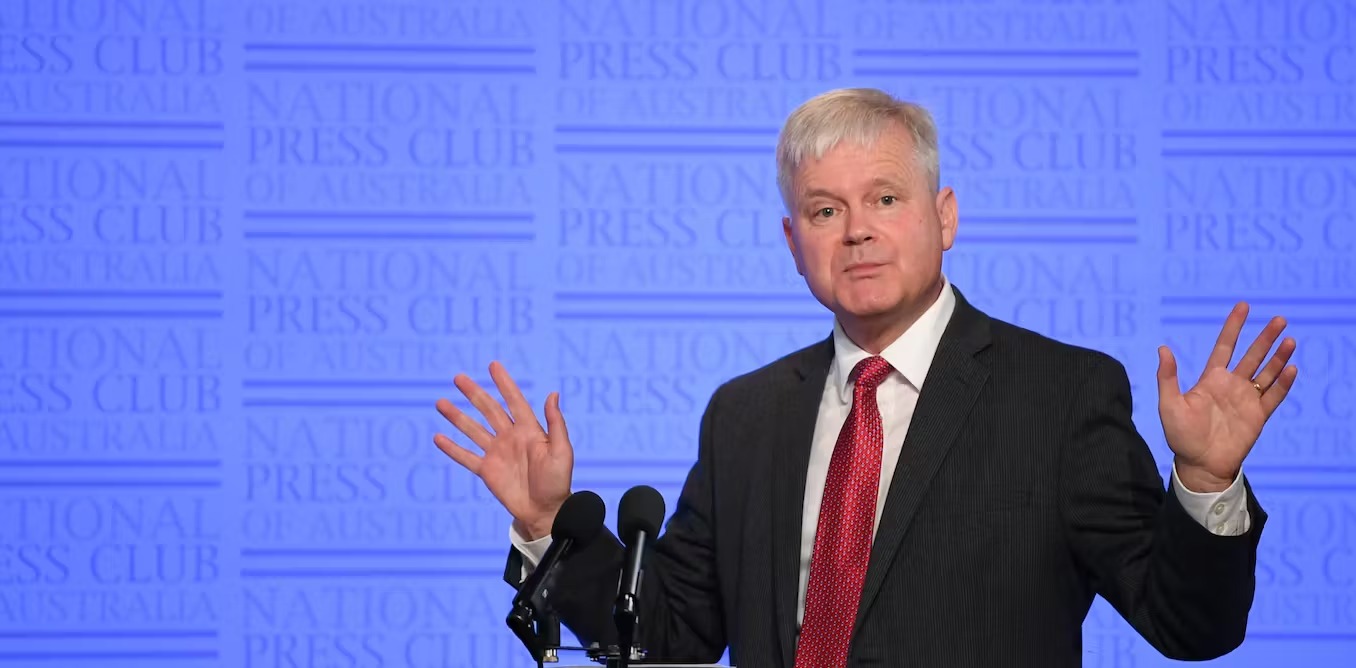
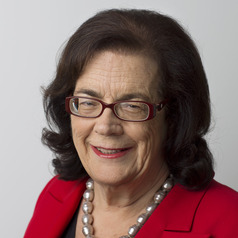
In this podcast, independent economist Chris Richardson joins The Conversation to discuss the expectations about a rate rise, “sticky” inflation, the fall in the standard of living, the difficulty of the government responding to the cost-of-living crisis, and a bleak prospect as we go into 2024, before we reach some light at the end of a long tunnel.
Asked whether a rate rise next week is virtually a foregone conclusion or whether there’s still some doubt, Richardson says:
Never say never on something like interest rates. But the new Reserve Bank governor did pretty clearly put a line in the sand and then almost straight away, the inflation numbers seemed to cross that line. So like most economists, I do expect Tuesday […] we’ll see a further rise in interest rates.
On the issue of living standards in Australia he says:
I’m surprised that there is not more discussion of arguably the key number in economics, our living standards – basically the amount of money that people have, disposable income. So you take out tax, you take out interest payments, you look at that per head, you put it in today’s prices – that peaked in September ‘21. It was artificially high during COVID, but it is down almost 10% since then. And that fall is rather larger than anything Australia saw in recessions in decades past.
Asked what can or should the government do about the cost of living crisis, Richardson say:
It can’t do much. When we talk about a cost-of-living crisis, we’re saying that inflation is dragging down our living standards and that that’s a problem. Now, if governments could solve that, not just Australian governments, past governments as well as the current one, other governments around the world, if they had a magic wand, they would have been waving that magic wand pretty madly. They don’t. And that’s the trick.
In current circumstances, if you give people extra money, well, of course they’ll spend it […] and that would simply push inflation up again. And indeed, if the government did enough of that it wouldn’t just push inflation up again, it could make the Reserve Bank raise rates again. In other words, a cost-of-living problem is a wicked one for governments to do something about.







