


 Fed Unveils Stablecoin Rules Under GENIUS Act
  Yen in Focus as BOJ, Fed Rate Hikes Reshape Currency Markets
  Oil Prices Fall as Middle East Exports Recover, G7 Eases Supply Fears
  Ukraine Faces $56 Billion Budget Gap as War Costs Soar
  Australia Consumer Confidence Plunges as RBA Rate Hike Hits Households
  BOJ Set for Rate Hike as Inflation and Yen Pressure Mount
  India-US Trade Deal Talks Hit Plateau, Sitharaman Says
  Europe EV Sales Hit Record as Affordable Models Boost Demand
  Trump Demands Powell Resign Over Fed Renovation Cost Overruns
  Samsung, SK Hynix Shares Fall Ahead of Q3 Earnings
  RBA Hikes Interest Rate to 4.60% as Inflation Risks Rise
  Fed’s Williams Signals One More Rate Hike Before Year-End
  Asian Stocks Rise as Nasdaq Record Offsets Bond Yield Pressure
  European Stocks Diverge as French Fiscal Crisis Hits CAC 40
  Asian Currencies Steady as Dollar Holds Near 18-Month High


 Add as a preferred source on Google
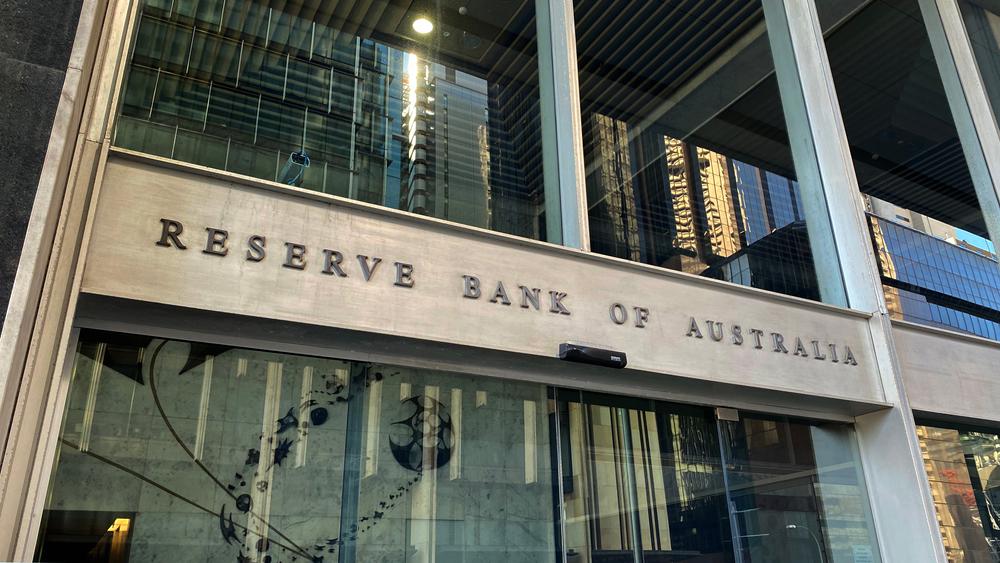
The Reserve Bank of Australia (RBA) is widely expected to keep its benchmark cash rate unchanged at 4.35% during its June policy meeting on Tuesday. After implementing three interest rate increases since early 2026, policymakers are likely to pause and evaluate the impact of previous tightening measures while maintaining the option of further rate hikes if inflation remains stubbornly high.
Australia’s economic outlook continues to present challenges for the central bank. Although inflation remains above the RBA’s target range of 2% to 3%, recent data point to slowing economic activity. Rising unemployment, weaker-than-expected first-quarter GDP growth, softer household spending, and continued weakness in the housing market have strengthened the case for a rate hold.
The RBA has also indicated that it needs more time to assess the economic effects of the ongoing Middle East conflict and the resulting energy price pressures. Higher fuel and transportation costs remain a concern, as they could contribute to broader inflationary pressures in the coming months.
Market analysts expect the RBA’s post-meeting statement to retain a hawkish tone. Westpac forecasts that while rates will remain unchanged in June, the central bank could deliver additional rate hikes in August and September if inflation continues to exceed expectations. The bank projects trimmed mean inflation to reach 3.8% later this year, remaining above the RBA’s forecast range.
ANZ also expects the RBA to leave rates unchanged throughout the rest of 2026 but acknowledges that stronger-than-expected second-quarter inflation data could increase the likelihood of an August rate increase.
The AUD/USD currency pair is likely to react strongly to the RBA’s guidance. A more hawkish stance emphasizing inflation risks could boost Australian bond yields and support the Australian dollar. The pair recently recovered after gaining 0.5% following news of an interim U.S.-Iran peace agreement, although expectations of higher-for-longer U.S. Federal Reserve rates have limited further gains.
Meanwhile, the S&P/ASX 200 index could face pressure if the RBA signals additional tightening. Higher borrowing costs typically weigh on consumer spending, corporate earnings, and stock valuations. Interest rate-sensitive sectors such as real estate, consumer discretionary, and utilities may be most affected, while banking stocks could benefit from stronger lending margins. Investors will closely monitor the RBA’s decision and outlook for clues on the future direction of Australia’s economy, the Australian dollar, and equity markets.







