


 U.S. Stock Futures Steady as AI, Rate Concerns Weigh
  UK Housebuilder Stocks Surge on New First-Time Buyer Loan Scheme
  RBA Set for September Rate Hike as Inflation Stays High
  BlackRock’s Rick Rieder Favors Bonds Over Stocks as Treasury Yields Surge
  XRP Price Targets $1.70 as Bullish Momentum Builds
  Yen in Focus as BOJ, Fed Rate Hikes Reshape Currency Markets
  Oil Prices Slide as Middle East Flows Recover
  Japanese Yen Retreats as Dollar Rises Ahead of Fed, BOJ Rate Decisions
  BOJ Set to Raise Rates to 1.25% as Inflation Risks Build
  Fed’s Williams Signals One More Rate Hike Before Year-End
  China Cuts Tariffs on U.S. Farm Goods but Excludes Soybeans
  Asian Chip Stocks Tumble as OpenAI Safety Pause Sparks AI Growth Concerns
  ECB May Stop Rate Hikes After December, Capital Economics Says


 Add as a preferred source on Google
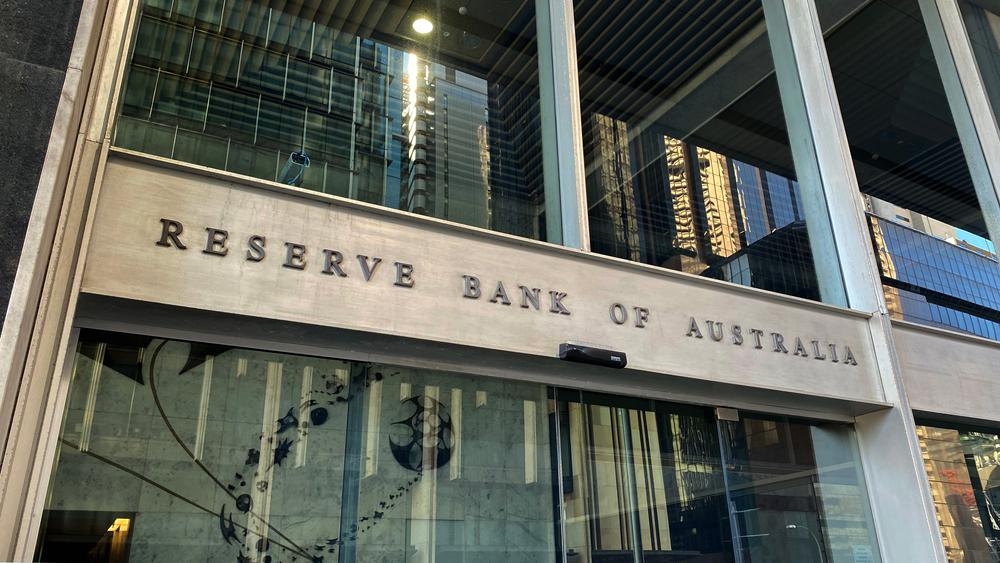
Australia’s central bank is warning that stronger-than-expected inflation could influence the future path of interest rates, with Reserve Bank of Australia (RBA) Governor Michele Bullock noting that the economy may already be operating at its potential growth limit. Speaking before lawmakers, Bullock said the labour market remains tighter than ideal and inflation has recently surprised on the upside, prompting the central bank to reassess its outlook.
Bullock emphasized that the RBA board is closely reviewing the latest data to determine whether the recent rise in consumer prices is temporary or a sign of more entrenched inflationary pressures. Australia’s consumer inflation accelerated to 3.8% in October, while the trimmed mean measure of core inflation moved back above the central bank’s 2–3% target range. With the third quarter also showing unexpectedly strong results, financial markets have largely dismissed the possibility of further policy easing next year.
According to Bullock, the central bank can tolerate a short-term uptick in inflation if it proves transitory. However, if inflation remains persistent, it may reflect sustained demand pressures in the economy—conditions that could require an adjustment in the RBA’s monetary policy strategy. Data expected later on Wednesday is projected to show GDP growth of 0.7% in the third quarter, the fastest pace in nearly three years, boosted by stronger business and government investment following three rate cuts this year. This would place annual growth at approximately 2.2%, slightly above the RBA’s estimated trend of 2%.
Bullock added that the output gap appears to have closed, though uncertainty remains. Rapid economic growth is one factor contributing to hotter-than-expected inflation, leading some economists to predict that the next rate move could be upward rather than downward. The RBA board is widely expected to keep interest rates unchanged at 3.60% next week but may adopt a more hawkish stance as it evaluates inflation risks.







