


 China, US Extend Trade Truce Through January 10 After Trump-Xi Summit
  UK Housebuilder Stocks Surge on New First-Time Buyer Loan Scheme
  Fed Rate Hike Threatens Housing as U.S. Growth Leans on AI, Citi Says
  China Cuts Tariffs on U.S. Farm Goods but Excludes Soybeans
  Yen in Focus as BOJ, Fed Rate Hikes Reshape Currency Markets
  BOJ Set for 25-Basis-Point Rate Hike as Yen Weakness Fuels Inflation
  South Korea Exports Set for 16th Monthly Gain on AI Chip Demand
  BlackRock’s Rick Rieder Favors Bonds Over Stocks as Treasury Yields Surge
  Asian Stocks Fall as Oil Surge, Bond Yields and AI Concerns Hit Markets
  Hong Kong Home Prices Stabilize in August After July Decline
  Oil Prices Jump Nearly 3% as Iran Holds Firm on Hormuz Conditions
  Global Central Banks Brace for More Rate Hikes as Inflation Risks Rise
  RBA Set for September Rate Hike as Inflation Stays High
  RBA Hikes Interest Rate to 4.60% as Inflation Risks Rise
  Gold Plunges 4% as Treasury Yields Surge and Fed Rate Hike Bets Rise


 Add as a preferred source on Google
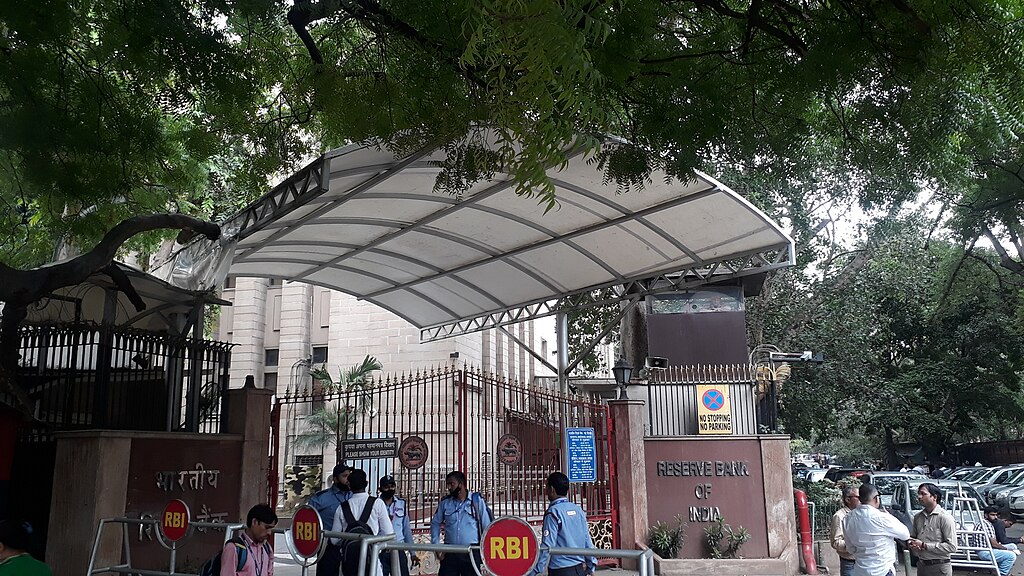
The Reserve Bank of India (RBI) kept its benchmark interest rate unchanged at 5.25% during its latest policy meeting, a decision that aligned with market expectations. Governor Sanjay Malhotra acknowledged the resilience of the Indian economy while cautioning against growing headwinds stemming from the ongoing conflict in the Middle East.
In a post-meeting livestream, Governor Malhotra highlighted the sharp rise in global geopolitical uncertainty over recent months, pointing specifically to the Iran conflict as a factor that could weigh heavily on global economic growth. Although the United States and Iran reached a ceasefire agreement, Malhotra warned that disruptions in energy supply chains, international shipping routes, and insurance markets are likely to continue affecting growth prospects worldwide.
On the inflation front, the RBI Governor acknowledged that higher global energy prices have filtered through to some domestic fuel costs, though overall inflation in India has remained relatively subdued. Looking ahead, the RBI projects India's consumer price index inflation to reach 4.6% in fiscal year 2027, up from a forecast of 2.6% in fiscal 2026. Meanwhile, GDP growth is expected to strengthen slightly, climbing from a projected 6.8% in fiscal 2026 to 6.9% in fiscal 2027. Malhotra emphasized that risks to these projections remain skewed to the downside given persistent uncertainty from the West Asia conflict.
The RBI also stepped into currency markets in late March and early April to cushion the Indian rupee, which had fallen to a series of record lows against the US dollar. The currency pressure was largely driven by investor concerns over India's exposure to disruptions in energy imports amid the regional conflict.
Despite these external challenges, India's central bank struck a cautiously optimistic tone, reaffirming its commitment to supporting economic stability and sustainable growth.







