


 Samsung, SK Hynix Shares Fall Ahead of Q3 Earnings
  RBA Hikes Interest Rate to 4.60% as Inflation Risks Rise
  Fed Rate Hike Threatens Housing as U.S. Growth Leans on AI, Citi Says
  Thailand Plans Dual-Class Shares to Revive IPO Market
  Oil Prices Fall as G7 Reserve Release Eases Supply Fears
  Oil Prices Fall as Middle East Exports Recover, G7 Eases Supply Fears
  China Shuts 670 Banks as Bitcoin Eyes Financial Risks
  BOJ Set for 25-Basis-Point Rate Hike as Yen Weakness Fuels Inflation
  Nasdaq Hits Record High as Tech Stocks Lift Wall Street
  Asian Stocks Rally as Soft US Jobs Data Boosts Tech
  Gold Prices Slip as Strong Dollar and High Treasury Yields Weigh
  India-US Trade Deal Talks Hit Plateau, Sitharaman Says
  Europe EV Sales Hit Record as Affordable Models Boost Demand
  Euro Hits 17-Month Low as France Debt Fears Boost Dollar


 Add as a preferred source on Google
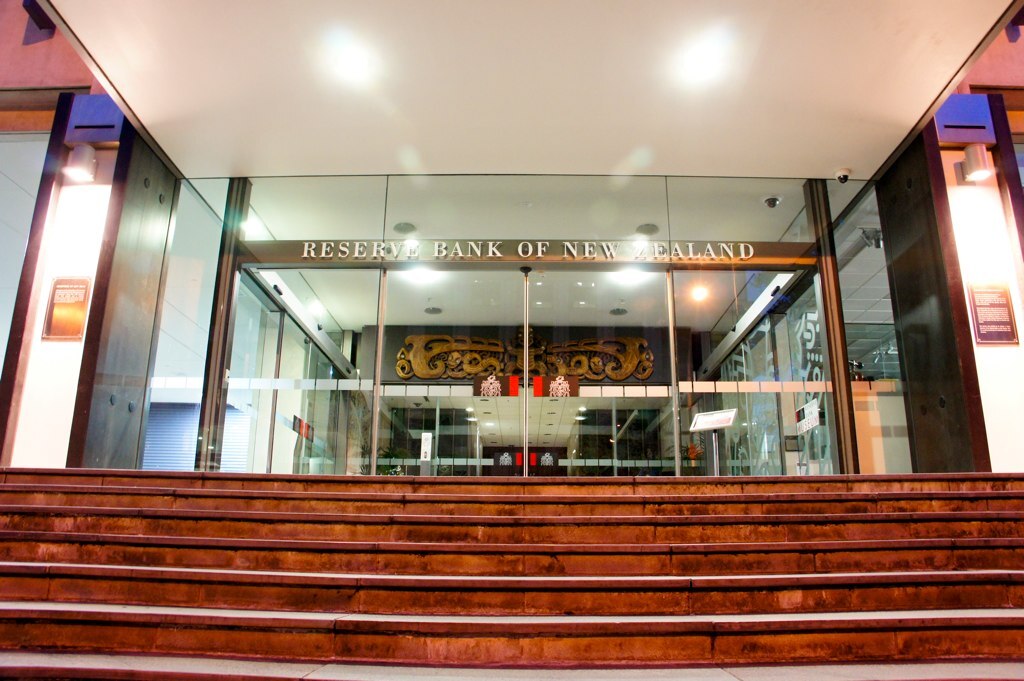
The Reserve Bank of New Zealand (RBNZ) raised its official cash rate (OCR) by 25 basis points to 2.50% on Wednesday, matching market expectations, and indicated that further policy tightening could be necessary to bring inflation back to its target.
The central bank said inflation remains above its target range of 1% to 3%, emphasizing that additional reductions in monetary stimulus may be required to return inflation to the 2% midpoint over time. While falling global oil and petrochemical prices have eased near-term price pressures following the partial reopening of the Strait of Hormuz, policymakers warned that the earlier energy shock will continue to influence inflation in the months ahead.
According to the RBNZ, New Zealand's economy had already begun recovering before the Middle East conflict disrupted momentum during the June quarter. Higher energy costs weighed on economic activity, but the central bank expects growth to strengthen again in the September quarter as oil-related pressures fade and business confidence improves.
The Monetary Policy Committee noted that spare capacity across the economy should limit businesses' ability to pass higher costs on to consumers. However, firms may attempt to restore profit margins as demand gradually rebounds. The bank also cautioned that a sustained depreciation of the New Zealand dollar could increase medium-term inflation risks.
Following the policy announcement, the New Zealand dollar strengthened, with the NZD/USD exchange rate rising about 0.4% in early trading.
The RBNZ forecasts annual headline inflation, which peaked at 3.9% in the June quarter, to ease to 3.3% in the September quarter before gradually returning to the 2% midpoint by mid-2027.
Looking ahead, the central bank said future OCR decisions will remain data dependent, with policymakers closely monitoring inflation trends, domestic economic activity, and businesses' pricing behavior before determining whether additional interest rate increases are needed.







