


 RBA Hikes Interest Rate to 4.60% as Inflation Risks Rise
  Yen in Focus as BOJ, Fed Rate Hikes Reshape Currency Markets
  BlackRock’s Rick Rieder Favors Bonds Over Stocks as Treasury Yields Surge
  BOJ Signals Faster Rate Hikes as Inflation Risks Grow
  Fed’s Hammack Says Bond Yield Surge Is Not Driven by Inflation Fears
  RBA Says ASX Still Falls Short on Governance and Risk Controls
  Trump Demands Powell Resign Over Fed Renovation Cost Overruns


 Add as a preferred source on Google
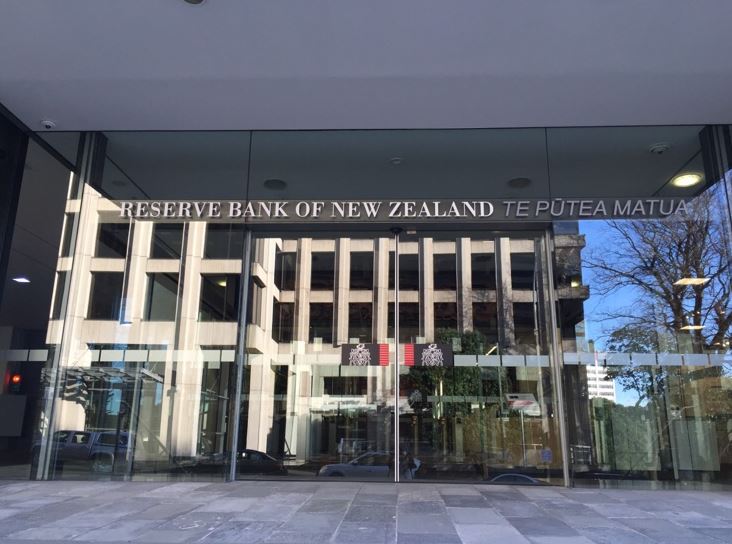
New Zealand central bank (RBNZ) left its key rate unchanged as expected at yesterday's policy meet. The central bank seemed notably more concerned about developments in China, on the global financial markets and above all on the commodity markets.
That is hardly surprising as the economic downturn in China, its main trading partner, and the weakness in the commodity sector, New Zealand's most important export sector, play a more important role for the RBNZ. And that is the reason why it is relying on its currency's weakness to support the economy. The slide in NZD-USD last night is likely to have been only a first taste.
"We expect to see further notable NZD depreciation over the coming quarters. If the exchange rate should stop falling on its own accord the RBNZ is likely to help it on its way again - it made that very clear yesterday," says Commerzbank in a research note to clients.

- News

- Economy

- Central Banks
- Investing
- Research
- Roundups
- Digital Currency
- Insights
- Technical Analysis
- Technology
- Business
- Law
- Health
- Nature
- Fintech
- Science
- Topic
- Opinions
- ©Econometrics LLC . All Rights Reserved.
RBNZ relying on currency depreciation to support the economy
Thursday, January 28, 2016 3:33 PM UTC
Editor's Picks



- Market Data
Most Popular




