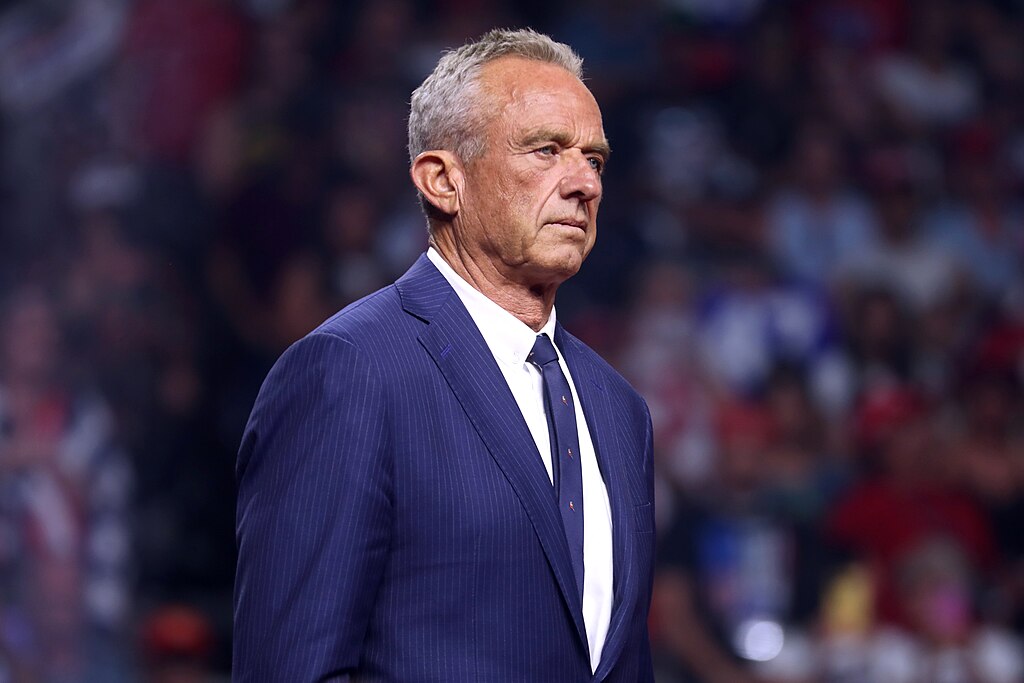
Robert F. Kennedy Jr. has asserted that former President Donald Trump intends to withdraw American troops from northern Syria, reigniting discussions about U.S. military presence in the Middle East. Kennedy, an independent candidate in the 2024 presidential race, made the claim during a recent interview, noting that Trump’s potential move would represent a significant shift in U.S. foreign policy and national security strategy.
Trump’s Alleged Syria Withdrawal Plan
Kennedy stated that if Trump is re-elected, he plans to pull U.S. forces out of the region, a move that would reverse current U.S. policy aimed at maintaining stability in northern Syria. The area, primarily controlled by Kurdish forces, has been a strategic focus for American interests, especially in countering ISIS resurgence and balancing regional influence amid tensions with Russia and Turkey.
“Trump’s decision would bring American soldiers home,” Kennedy said. He emphasized that this proposal aligns with Trump’s longstanding stance against prolonged U.S. military engagement abroad. However, Trump’s critics warn that such a withdrawal could destabilize the region, potentially allowing ISIS and other extremist groups to regain power while endangering Kurdish allies who have fought alongside U.S. forces.
National Security Concerns and Regional Implications
Trump’s alleged plan has raised concerns among defense experts and policymakers who believe a U.S. withdrawal could weaken America’s influence in the Middle East. Some argue that pulling troops out of northern Syria might encourage further aggression from regional powers like Turkey, which has previously launched military operations against Kurdish forces. There are also fears that a withdrawal could leave U.S.-aligned Kurdish allies vulnerable to attacks from both Turkish forces and remaining ISIS fighters.
While Trump supporters argue that bringing American troops home reflects his “America First” approach, opponents caution that it could create a power vacuum. Critics assert that a quick pullout without a comprehensive exit strategy may lead to chaos, similar to the aftermath of the 2021 U.S. withdrawal from Afghanistan.
As the 2024 election draws closer, Trump’s stance on foreign policy, particularly in Syria, will likely become a focal point of debate. Both Kennedy’s statement and Trump’s alleged plan underscore the complexities of maintaining American presence abroad amid shifting political priorities.