Rio Tinto (ASX: RIO) delivered a strong operational performance in the fourth quarter, reporting higher iron ore and copper output as operations rebounded from earlier weather-related disruptions and key copper assets continued to ramp up. The results underline the miner’s operational resilience and support its outlook for stable production heading into 2026.
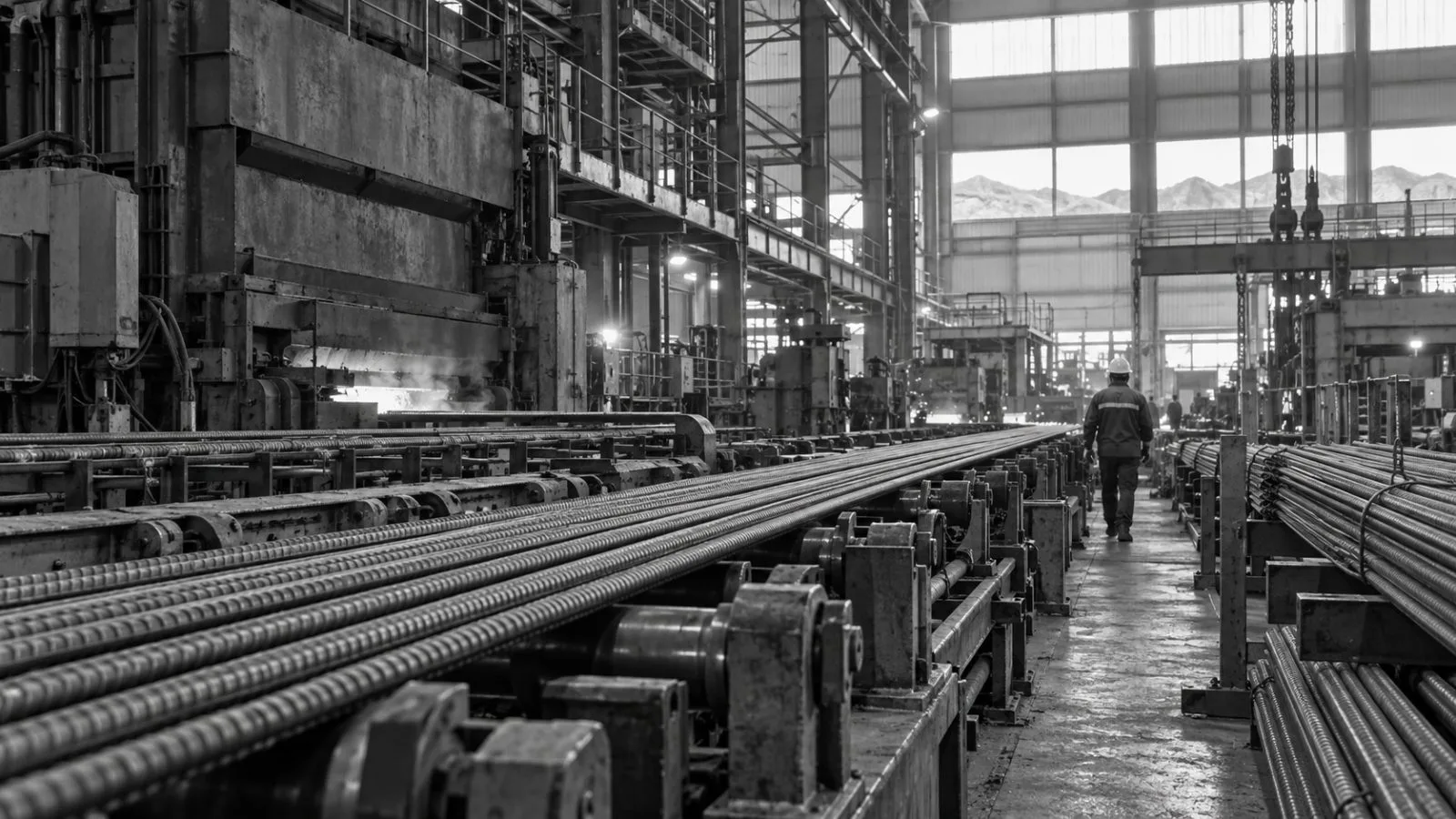
The world’s largest iron ore producer said Pilbara iron ore shipments increased 7% year-on-year to 91.3 million tonnes in the December quarter, while production rose 4% to 89.7 million tonnes. This marked a record quarterly performance for Pilbara, reflecting improved operating conditions following extreme weather that had disrupted output earlier in 2025. The recovery highlights the importance of the Pilbara region to Rio Tinto’s earnings and global iron ore supply.
Copper production also showed solid growth. Quarterly copper output climbed 5% compared with a year earlier to 240,000 tonnes, largely driven by record production at the Oyu Tolgoi mine in Mongolia. The increase followed the completion of the underground development at the flagship copper asset, which continues to play a central role in Rio Tinto’s long-term growth strategy. For the full year, copper production rose 11% to 883,000 tonnes, exceeding the top end of the company’s guidance range and reinforcing Rio Tinto’s position as a major global copper producer.
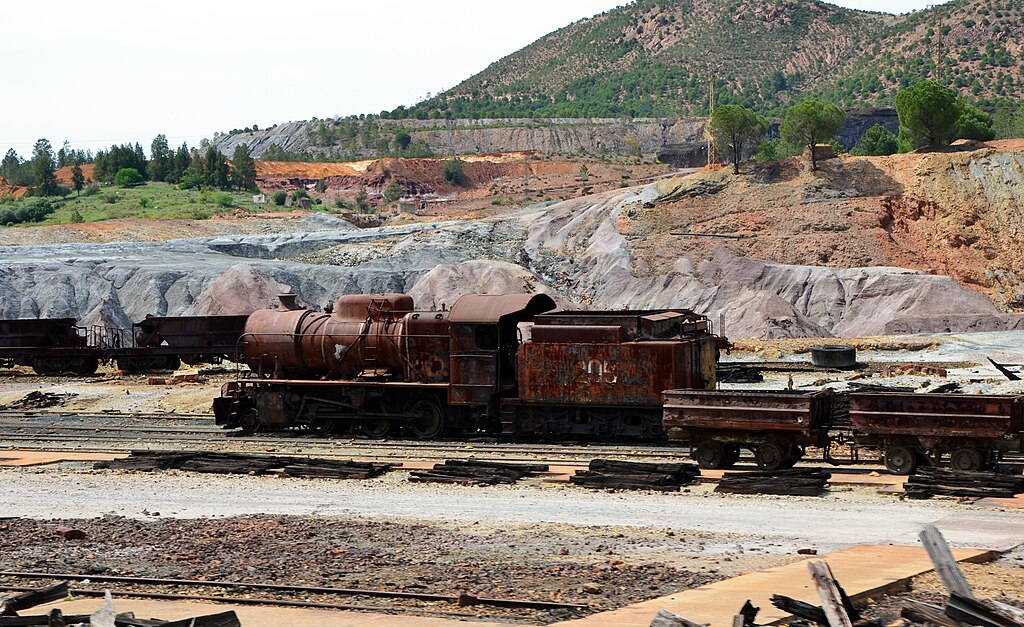
On a full-year basis, Pilbara iron ore shipments edged down 1% to 326.2 million tonnes, reflecting cyclone-related losses earlier in the year, while production remained broadly flat at 327.3 million tonnes. Despite these challenges, Rio Tinto achieved a key milestone at its Simandou iron ore project in Guinea, with first shipments recorded during the quarter. Simandou is one of the world’s largest undeveloped iron ore deposits and is expected to be a significant growth driver over the long term.
Looking ahead, Rio Tinto maintained its 2026 production guidance, citing stable operating conditions while acknowledging ongoing exposure to weather-related risks. The strong fourth-quarter performance positions the miner well as demand for iron ore and copper remains closely tied to global infrastructure and energy transition trends.