Source: Pixabay
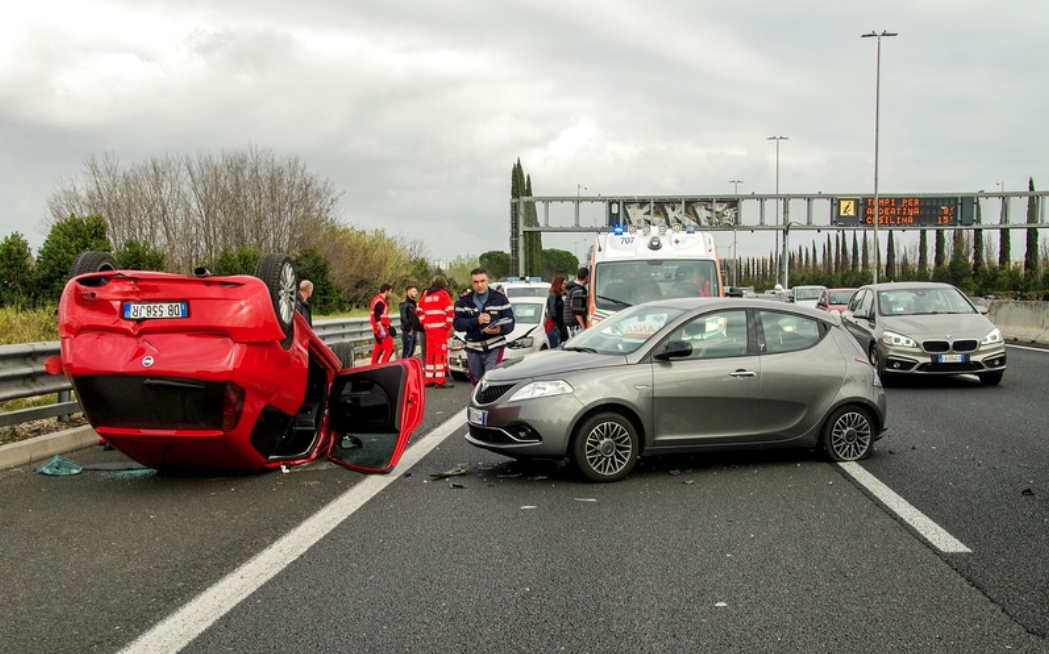
Recent figures have revealed that 2020 was one of the deadliest years for Irish motorists and passengers in the past decade, with traffic accidents increasing by a staggering 10% from the year before. The figures are even more alarming considering that overall volumes of road traffic in 2020 were around 70% lower than in 2019.
Although the exact reasons for the uptick in traffic accidents are not completely clear, the Gardaí have said that an increasingly relaxed attitude towards road safety rules could be to blame. As a result, authorities are aiming to implement increased national road safety awareness campaigns in the run-up to the winter of 2021, when traffic accidents and fatalities are expected to peak. The so-called Road Back Campaign aims to remind motorists across Ireland of basic road safety and the importance of staying alert when driving.
A sharp reversal of historic improvements
Despite the alarming figures, the overall picture is one of rapid improvement. As recently as the 1990s, Ireland was one of the most dangerous countries for motorists in Western Europe. However, thanks to an aggressive road safety campaign and a significant tightening of the rules, those numbers have gone into sharp decline.
Before 2020's increase in traffic accidents, Ireland was ranked as the second safest country for drivers in the entire EU, with only Sweden reporting fewer road deaths per capita in 2019. Ireland had an average of 29 road deaths per million people in 2019, compared to an average of 51 for the EU as a whole.
Meanwhile, the two most dangerous EU countries for driving, Romania and Bulgaria, had road fatality rates of 96 and 90 per million people respectively. With the sharp uptick in driver accidents at the end of 2020, it is possible that we are witnessing a reversal of decades of progress in road safety in Ireland.

Source: Pixabay
The main reasons for car accidents in Ireland
According to the Ireland Road Safety Authority (RSA), the vast majority of road accidents in the country are caused by just a small number of contributory factors. That's why much of the RSA's messaging with the Road Back Campaign will focus on addressing the main reasons why Irish motorists, passengers, and pedestrians get into dangerous auto accidents. According to the figures, these are the primary causes of car accidents and injuries in Ireland:
Alcohol
Perhaps shockingly, the most common cause of road accidents in Ireland is alcohol and substance abuse. In some regions and some years, more than half of all accidents on the road have involved alcohol in some way. This might be because the driver of a vehicle was under the influence, or a passenger or pedestrian was intoxicated. The lesson here: alcohol and driving do not mix.
Speeding
As is the case in many countries around the world, a major cause of serious car accidents and injuries is speeding. Despite Ireland having strict speed limits on all roadways across the country, with severe penalties and fines for those who breach them, a significant number of drivers in car accidents were found to have been going over the speed limit immediately prior to the crash.
Distracted Driver
When drivers are not paying attention to the road, the results can be catastrophic. This is borne out by the evidence, which shows that distracted drivers are frequently the cause of road accidents in Ireland. The most common cause of driver distraction is, unsurprisingly, mobile phone usage. That's why the RSA helped bring forward a law that stipulates that the only time a motorist in Ireland can legally use their phone behind the wheel is if they are calling 999 or 112.
No seatbelt
Although this is not exactly a cause of accidents, it remains the major cause of serious injuries in a car accident. If you are not wearing a seatbelt and you get into a collision, you are 50% more likely to sustain a serious injury and 45% more likely to die. Always wear a seatbelt, regardless of whether you are a driver or a passenger.
The festive factor
Ireland's latest road safety campaigns are largely focused on raising awareness and increasing best practices in the run-up to the festive season in December. But why is it that the roads are particularly dangerous during the holidays in Ireland? For one, there is simply more traffic on the road, as more people are out shopping or driving home to see loved ones.
In addition, December is one of the wettest and coldest times of year in Ireland, meaning that roads are often considerably slippier and more dangerous to drive on. Finally, there is the simple fact that more people drink alcohol more often during the festive period, which leads to a significant uptick in drunk driving offenses.
What to do when you get into a car accident in Ireland
As the numbers show, more and more people are being injured on the roads in Ireland. Although only a small percentage of car accidents result in life-changing injuries or fatalities, smaller injuries can still have lasting consequences.
Studies have shown that the most common car crash injuries for both passengers and drivers are neck injuries such as whiplash, concussion, broken ribs, and psychological injuries such as PTSD. Oftentimes, people fail to consider the lasting impact that these seemingly mild injuries can have on the victim.
Even minor neck and back injuries can prevent someone from returning to work for months, resulting in lost wages, while emotional trauma can cause lasting damage. That's why it is important for those who have been injured in an accident to contact qualified and local personal injury solicitors with the expertise required to secure the necessary legal compensation.
Whether the current uptick in motor accidents will become a longer-term trend remains to be seen. Regardless, it is important to know how to stay safe on the road and to know your rights in the event of an accident occurring. You can also consult that official advice on road safety from the Gardaí for more information.
This article does not necessarily reflect the opinions of the editors or the management of EconoTimes