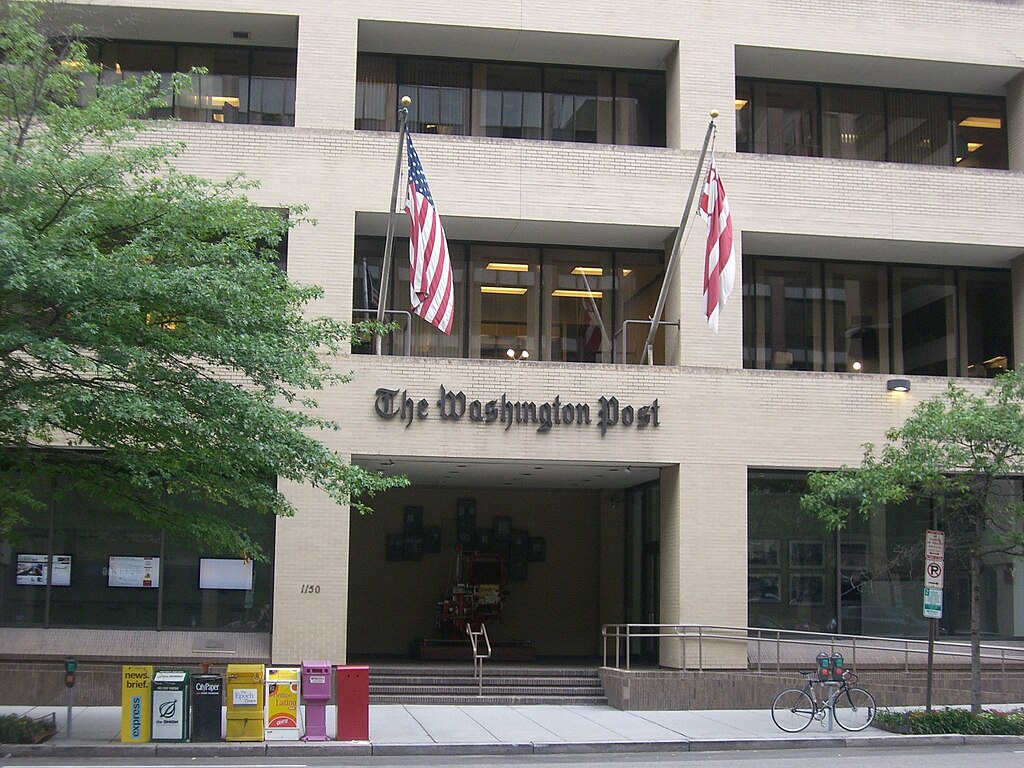
Washington Post publisher and CEO Will Lewis announced that he is stepping down from his role, according to a message shared with staff and later posted publicly by White House bureau chief Matt Viser on Saturday. The announcement comes shortly after the newspaper carried out widespread layoffs, a move that has intensified scrutiny of leadership decisions and the publication’s broader strategy amid ongoing challenges in the media industry.
Lewis, who took on the dual role of publisher and chief executive officer, informed employees of his decision in an internal message that quickly drew attention after being shared online. While the statement did not go into extensive detail about the reasons behind his departure, the timing has fueled discussion, as it followed a week marked by significant job cuts at the storied newspaper. The Washington Post, like many major news organizations, has been grappling with declining advertising revenue, shifts in digital subscriptions, and rising operational costs.
The layoffs affected multiple departments and reflected a broader effort to restructure the organization and stabilize finances. For many staff members, the announcement of Lewis’s exit added another layer of uncertainty during an already difficult period. Industry observers note that leadership changes following layoffs are not uncommon, especially as media companies attempt to adapt to a rapidly evolving digital landscape.
Matt Viser’s post highlighting Lewis’s message quickly spread across social media, drawing reactions from journalists, media analysts, and readers. Some expressed concern about the future direction of the Washington Post, while others viewed the leadership change as an opportunity for a reset. The paper, owned by Amazon founder Jeff Bezos, has long been regarded as one of the most influential newspapers in the United States, particularly for its political coverage and investigative journalism.
As the Washington Post moves forward, attention will turn to who will replace Lewis and how new leadership will address ongoing financial pressures while maintaining journalistic standards. For now, Lewis’s departure marks a significant moment for the newspaper, underscoring the challenges facing legacy media organizations in a competitive and changing news environment.