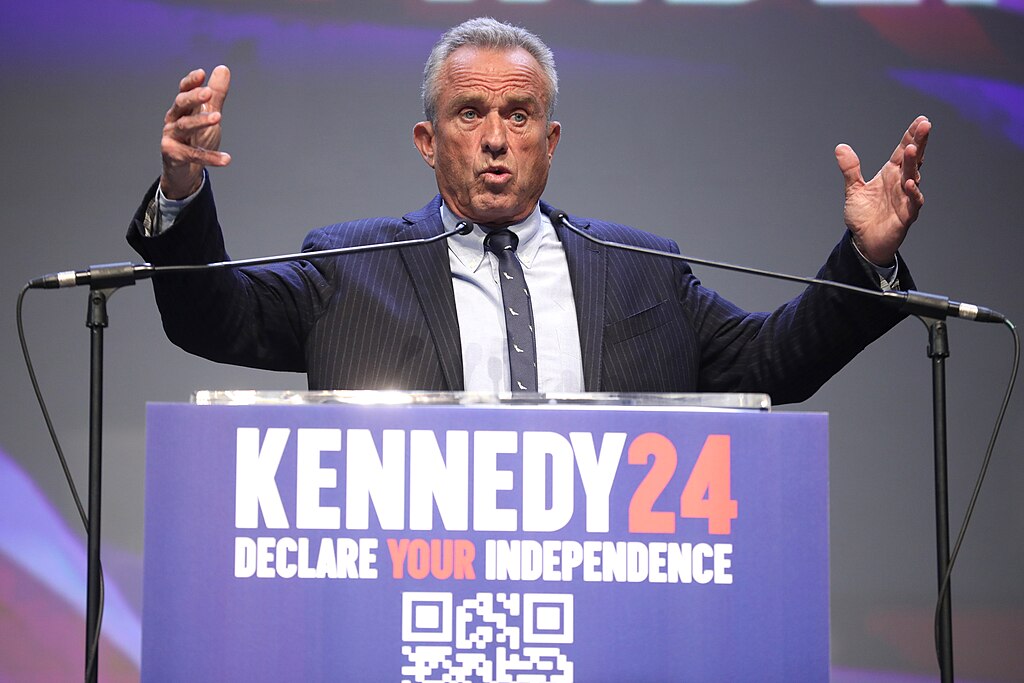
In a stunning revelation that reignites long-standing debates over the assassination of President John F. Kennedy, Robert F. Kennedy Jr. has named a prominent Republican figure who allegedly convinced former President Donald Trump to hold back crucial documents related to the case. The disclosure, which has sent shockwaves through political circles and conspiracy theorists alike, adds a new layer of intrigue to one of the most scrutinized events in American history.
According to Kennedy Jr., who has been an outspoken critic of the official narrative surrounding his uncle's assassination, a well-known Republican insider played a pivotal role in advising Trump to keep certain classified files under wraps. This revelation has sparked fresh speculation about what those documents might contain and why their release continues to be a matter of contention decades after the 1963 assassination.
The decision by Trump to delay the full release of the JFK assassination files in 2017, despite a congressionally mandated deadline, was met with widespread criticism and fueled ongoing suspicions that the government may be hiding critical information about the case. At the time, Trump cited concerns raised by intelligence agencies as the reason for withholding some of the most sensitive documents. However, RFK Jr.’s latest claims suggest that political maneuvering, rather than national security, may have been the driving force behind the decision.
The identity of the Republican allegedly involved in the decision adds a significant twist to the narrative. While Kennedy Jr. has not disclosed all details, his assertion that a powerful political figure influenced Trump raises questions about the motivations behind the continued secrecy and the potential implications for both parties. The involvement of such a high-profile individual suggests that the withheld documents could contain information that challenges the established account of the assassination or implicates figures in ways previously unknown.
This revelation also underscores the enduring power of the JFK assassination in the American consciousness. Despite the passage of more than half a century, the event remains a fertile ground for conspiracy theories and political intrigue. The suggestion that key information is still being withheld only adds to the aura of mystery and distrust that surrounds the case.
Critics of the continued secrecy argue that the American public deserves full transparency, particularly given the historical significance of the assassination. They contend that any further delays in releasing the remaining documents only serve to deepen suspicions and perpetuate myths. On the other hand, those who support the decision to keep certain files classified point to the potential risk to national security and the protection of intelligence sources as justifications.
As the controversy reignites, pressure is likely to mount on the Biden administration to finally release the remaining JFK files in their entirety. The involvement of a key Republican figure, as alleged by RFK Jr., adds urgency to the calls for transparency. Whether these documents will see the light of day remains uncertain, but one thing is clear: the legacy of JFK’s assassination continues to cast a long shadow over American politics.