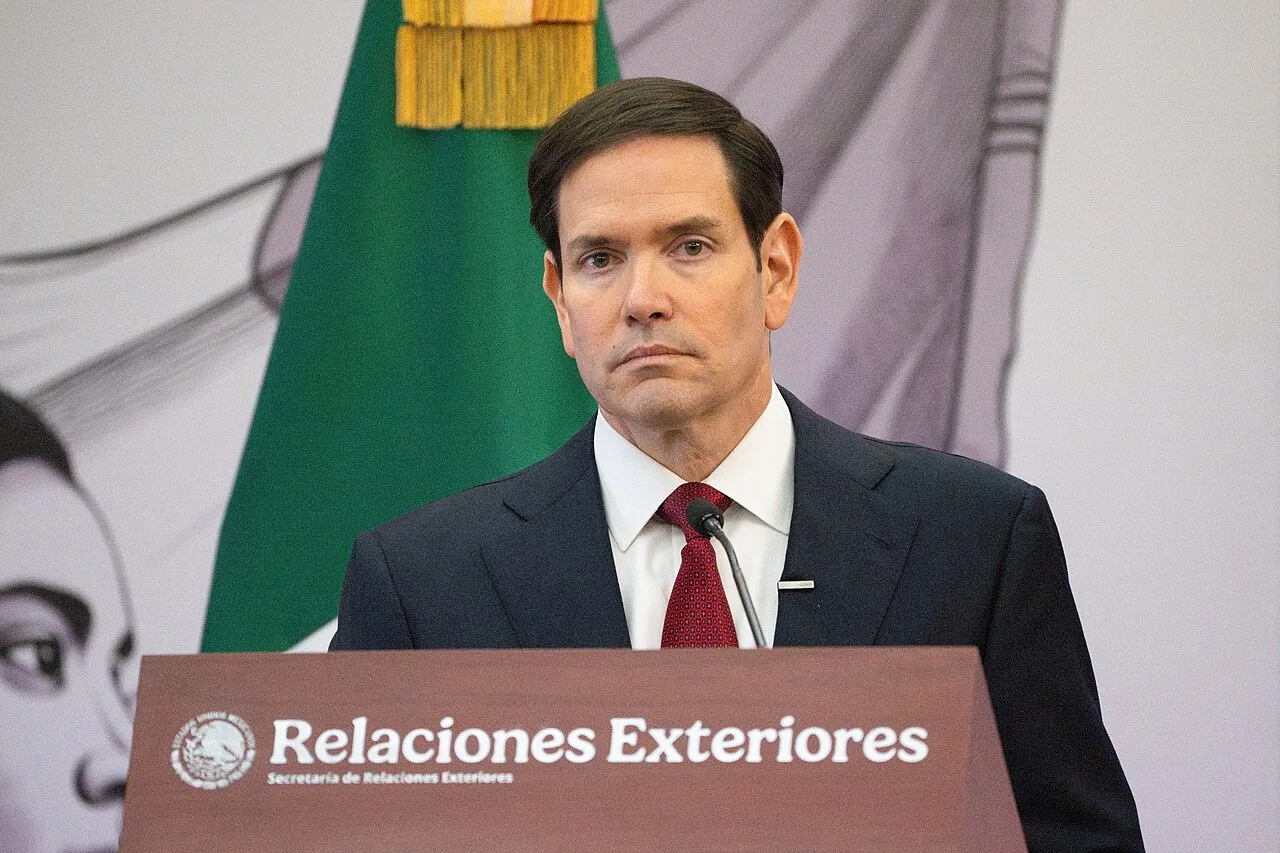
US Secretary of State Marco Rubio has urged Lebanese President Joseph Aoun to ensure that explosives seized from Hezbollah are not returned to the Iran-backed militant group, as tensions between Lebanon and Israel remain high.
During a phone conversation on Thursday, Rubio discussed the confiscation of hundreds of kilograms of explosives by Lebanese security forces, according to a US State Department official.
Rubio called on Lebanese authorities to investigate and hold accountable those responsible for ordering, financing and directing the explosives shipment. He also emphasized that returning the confiscated materials to Hezbollah should not be considered.
The US secretary of state additionally encouraged direct military communication between Lebanese and Israeli forces to prevent misunderstandings and reduce the risk of further confrontations.
The diplomatic exchange followed confirmation from Hezbollah lawmaker Hassan Fadlallah that the explosives seized from a vehicle last week belonged to the group.
Fadlallah said Hezbollah planned to use the materials against Israeli forces occupying parts of southern Lebanon following this year's conflict.
A Hezbollah official and a Lebanese security source separately told Reuters that the explosives were intended for drones targeting Israeli military positions.
According to Lebanon's presidency, Aoun assured Rubio that the Lebanese army and security agencies were implementing government measures to prevent armed activities, seize unauthorized weapons and combat smuggling.
Aoun also requested greater US pressure on Israel to stop military strikes against towns and villages in southern Lebanon.
The dispute comes amid ongoing efforts to disarm Hezbollah following the wider Middle East conflict.
On March 2, Lebanon's government banned Hezbollah's military operations after the group launched rockets toward Israel in support of Iran. The attacks drew Lebanon into the US-Israeli war against Tehran, which began on February 28.
Iran subsequently retaliated with strikes against Israel and Gulf countries hosting American military installations. The fighting has killed thousands and displaced millions across the region.
Under a US-brokered agreement between Israel and Lebanon, Beirut committed to disarming Hezbollah in exchange for a gradual Israeli military withdrawal.
However, Hezbollah continues to reject disarmament while Israeli troops remain on Lebanese territory. Continued Israeli strikes in southern Lebanon have further complicated diplomatic efforts to secure a lasting ceasefire and regional stability.