
Russia announced over the weekend that it would be moving its tactical nuclear weapons to the western borders of Belarus. The move would put the weapons on the threshold of NATO territory that would likely escalate the current standoff Moscow has with the alliance.
The Russian ambassador to Belarus, Boris Gryzlov, said on Sunday that Moscow intends to move its tactical nuclear weapons to Belarus’s western borders. This follows the announcement by Russian leader Vladimir Putin last week that Russia will be stationing such weapons in Belarus. Gryzlov told Belarusian state television that the move “will increase the possibilities to ensure security.”
“This will be done despite the noise in Europe and the United States,” said Gryzlov, who did not specify where the weapons would be placed. However, Gryzlov confirmed that a storage facility was in the works as ordered by Putin and is set to be completed by July 1, which would then be moved to western Belarus.
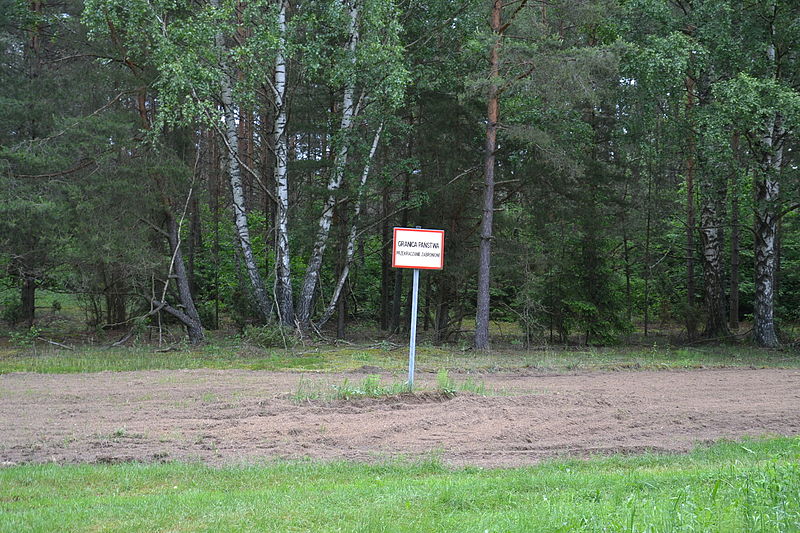
Belarus shares a border with NATO members Lithuania and Latvia to the north and with Poland to the west. All three countries are part of the alliance’s eastern flank, which has since been bolstered by additional troops and military equipment following Russia’s invasion of Ukraine in February last year.
The US and Ukraine’s other allies have expressed concerns regarding the possibility that Moscow would send tactical nuclear weapons to Belarus. US President Joe Biden said at the time that the possibility was “worrisome.” Belarusian President Alexander Lukashenko said on Friday last week that Minsk would also allow Russia to store its intercontinental nuclear missiles in their territory.
Meanwhile, on the same day, prominent Russian military blogger Vladen Tatarsky was killed in an explosion in a cafe in St. Petersburg, Russian news outlets have reported, citing sources saying that the blast was due to an explosive device. Russian reports said 25 others were wounded in the explosion, and 19 were rushed to the hospital for treatment, according to the regional governor Alexander Beglov.
Tatarsky, whose real name is Maxim Fomin, was reportedly meeting with the public, and a woman presented him with a box that had a statuette that exploded. The Russian state Investigative Committee said it opened a murder investigation, but there was no indication of who was responsible.


