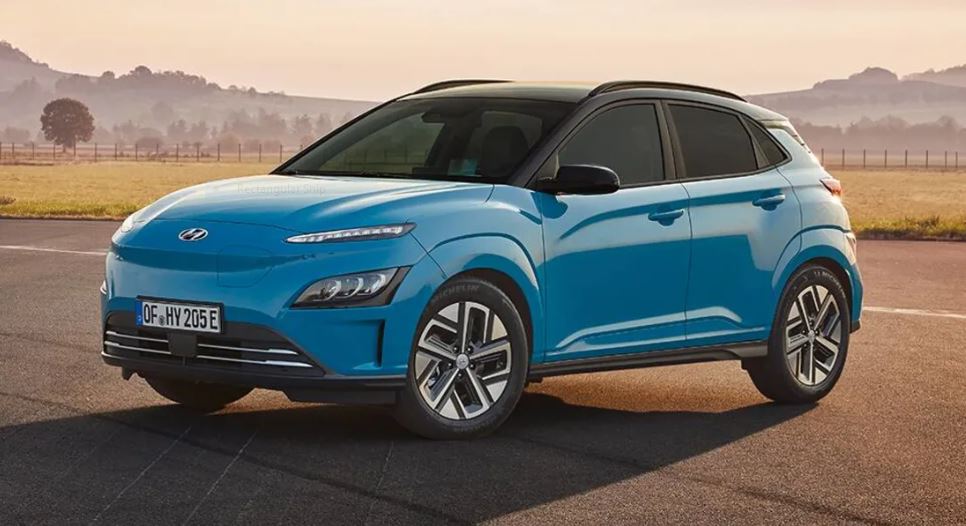
South Korea seeks to more than double electric vehicle production to capture 12 percent of the global market share by 2030.
For the goal to be a global car industry powerhouse, the South Korean government vowed to provide tax incentives and various supportive measures worth about a combined 95 trillion won by 2026, to promote their local carmakers’ investment.
To account for 12 percent of the world’s EV market, South Korean carmakers plan to increase their global EV production from around 254,000 units logged last year to a combined 3.3 million units by 2030. Their market share was 5 percent as of 2021.
The road map was announced during a meeting presided by Industry Minister Lee Chang-yang with senior officials of major carmakers and related firms, including Hyundai Motor Co., Kia Corp., GM Korea and major wireless carrier KT Corp.
They vowed to develop key software for EVs with their own technologies by 2026 and nurture 30,000 personnel with expertise in the future car sector, as well as 300 companies specializing in the development of automotive software by 2030, according to the Ministry of Trade, Industry and Energy.


Brazil Blocks Prediction Market Platforms, Tightens Derivatives Trading Rules
As the Black Summer megafires neared, people rallied to save wildlife and domestic animals. But it came at a real cost
Dollar Gains as Middle East Tensions and Rising Oil Prices Support Safe-Haven Demand
Florida Investigates OpenAI and ChatGPT Over Alleged Role in FSU Shooting
Indonesia Fiscal Deficit Outlook: Fitch Signals Flexibility Amid Middle East War Risks
India-US Trade Talks Advance Toward $500 Billion Goal Amid Ongoing Negotiations
Extreme heat, flooding, wildfires – Colorado’s formerly incarcerated people on the hazards they faced behind bars
Why Global Web3 Projects Can't Afford to Skip South Korea: TokenPost Unveils Data-Driven Entry Solutions
Parasites are ecological dark matter – and they need protecting
European Car Sales Surge in March as EV and Hybrid Demand Accelerates
Iran-Pakistan Diplomacy and Strait of Hormuz Tensions Push Oil Prices Above $100
Microsoft Commits $18 Billion to Expand AI and Cloud Infrastructure in Australia
Iran Tightens Grip on Strait of Hormuz as Oil Prices Surge
Mercedes-Benz Faces Rising Competition in China but Rejects Price War Strategy
How to create a thriving forest, not box-checking ‘tree cover’
New Zealand Economy Faces Short-Term Pressure but Recovery Remains on Track
Asian Markets Mixed as Oil Prices Rise Amid Middle East Tensions and Ceasefire Uncertainty 


