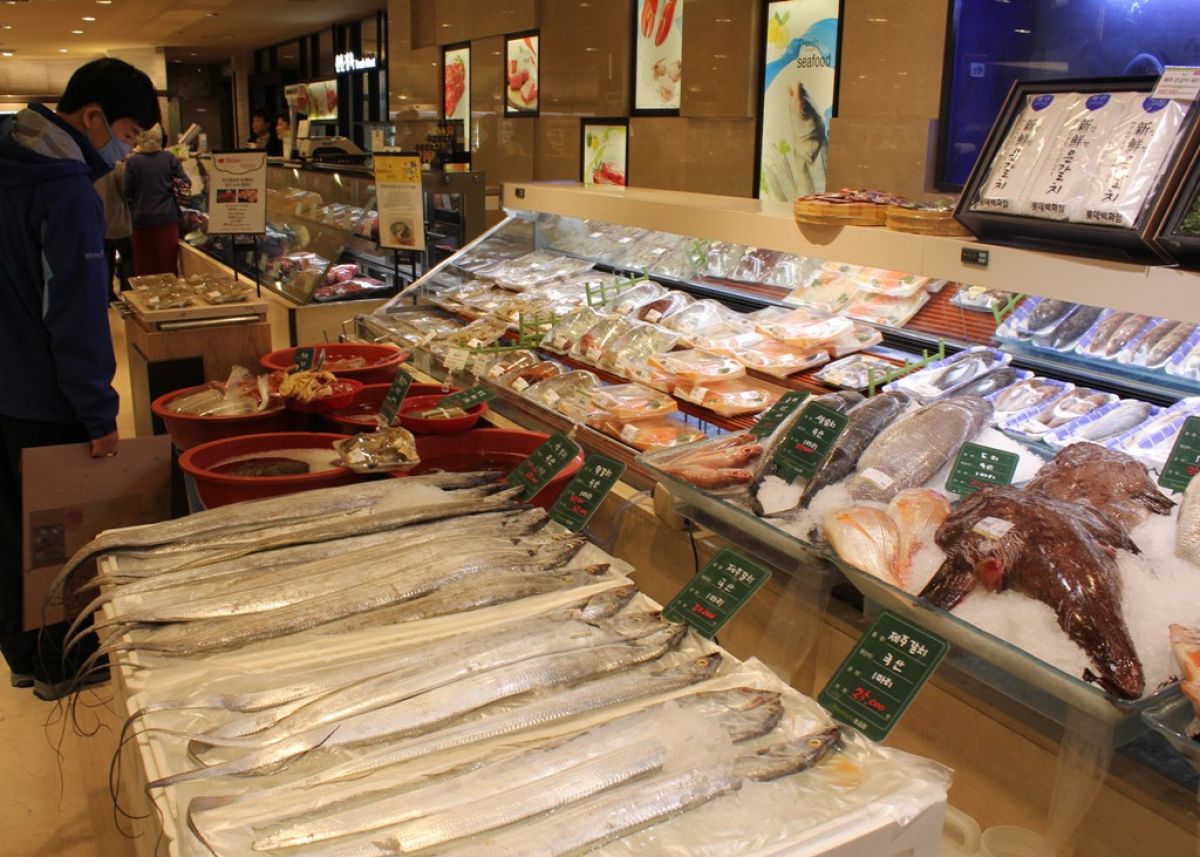
South Korea's fisheries posted a 3.71 million-ton output last year, down 3.8 percent from 2019 and marking the smallest since 2016, largely to sluggish aquaculture production and a fall in consumption.
The output was 3.26 million tons in 2016.
Last year's output from seaweed and oyster farming remained sluggish due to long rainy seasons, while those from deep-sea and inland fishing also dropped due to decreased fish stocks and a fall in consumption caused by the pandemic.
In terms of value, the output hit a record high of 8.7 trillion won last year, increasing 4.7 percent from a year earlier.
It also marked the fastest on-year gain since a 14.6 percent gain in 2017.



Trump’s Inflation Claims Clash With Voters’ Cost-of-Living Reality
Trump Endorses Japan’s Sanae Takaichi Ahead of Crucial Election Amid Market and China Tensions
Fed Governor Lisa Cook Warns Inflation Risks Remain as Rates Stay Steady
Russian Stocks End Mixed as MOEX Index Closes Flat Amid Commodity Strength
China Extends Gold Buying Streak as Reserves Surge Despite Volatile Prices
U.S. Stock Futures Slide as Tech Rout Deepens on Amazon Capex Shock
Silver Prices Plunge in Asian Trade as Dollar Strength Triggers Fresh Precious Metals Sell-Off
Dollar Steadies Ahead of ECB and BoE Decisions as Markets Turn Risk-Off
South Africa Eyes ECB Repo Lines as Inflation Eases and Rate Cuts Loom
Gold and Silver Prices Rebound After Volatile Week Triggered by Fed Nomination
U.S.-India Trade Framework Signals Major Shift in Tariffs, Energy, and Supply Chains
Japan Economy Poised for Q4 2025 Growth as Investment and Consumption Hold Firm
Bank of Japan Signals Readiness for Near-Term Rate Hike as Inflation Nears Target
South Korea’s Weak Won Struggles as Retail Investors Pour Money Into U.S. Stocks
Thailand Inflation Remains Negative for 10th Straight Month in January
Asian Stocks Slip as Tech Rout Deepens, Japan Steadies Ahead of Election
Global Markets Slide as AI, Crypto, and Precious Metals Face Heightened Volatility 


