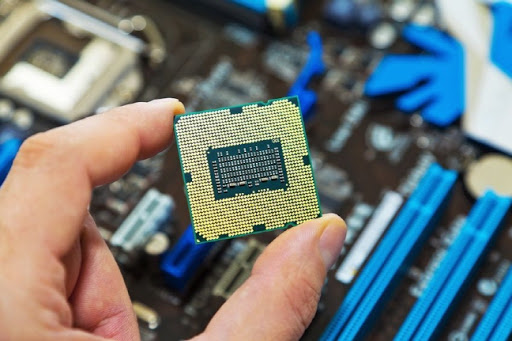
South Korea will provide tax incentives and financial support to corporate projects to develop eight key parts and materials, such as automotive chips and rare-earth permanent magnets used for electric vehicles.
The country plans to support investment in research & development (R&D) on those items over the long term.
Finance Minister Hong Nam-ki said the move will help attract private investments worth 140 billion won by 2025 and create jobs.
South Korean automakers have been forced to temporarily suspend their production lines due to the global shortage of automotive chips.
While South Korea is home to memory chip powerhouses Samsung Electronics Co. and SK hynix Inc., it has not produced less profitable auto chips.
The companies have also relatively lagged in developing non-memory chips, including system chips.


American Airlines CEO to Meet Pilots Union Amid Storm Response and Financial Concerns
Dow Hits 50,000 as U.S. Stocks Stage Strong Rebound Amid AI Volatility
Instagram Outage Disrupts Thousands of U.S. Users
TSMC Eyes 3nm Chip Production in Japan with $17 Billion Kumamoto Investment
Washington Post Publisher Will Lewis Steps Down After Layoffs
Ford and Geely Explore Strategic Manufacturing Partnership in Europe
South Africa Eyes ECB Repo Lines as Inflation Eases and Rate Cuts Loom
Amazon Stock Rebounds After Earnings as $200B Capex Plan Sparks AI Spending Debate
Silver Prices Plunge in Asian Trade as Dollar Strength Triggers Fresh Precious Metals Sell-Off
Baidu Approves $5 Billion Share Buyback and Plans First-Ever Dividend in 2026
Once Upon a Farm Raises Nearly $198 Million in IPO, Valued at Over $724 Million
FDA Targets Hims & Hers Over $49 Weight-Loss Pill, Raising Legal and Safety Concerns
Nvidia CEO Jensen Huang Says AI Investment Boom Is Just Beginning as NVDA Shares Surge
SoftBank Shares Slide After Arm Earnings Miss Fuels Tech Stock Sell-Off
Global PC Makers Eye Chinese Memory Chip Suppliers Amid Ongoing Supply Crunch
Asian Stocks Slip as Tech Rout Deepens, Japan Steadies Ahead of Election
SpaceX Pushes for Early Stock Index Inclusion Ahead of Potential Record-Breaking IPO 


