U.S. President Donald Trump has expressed dissatisfaction with Iran’s latest proposal aimed at resolving the ongoing two-month conflict, according to a U.S. official. The development has reduced hopes for a near-term diplomatic breakthrough in a war that has disrupted global energy markets, driven inflation higher, and resulted in significant casualties.
Iran’s proposal suggests postponing discussions about its nuclear program until after the war ends and maritime disputes in the Gulf—particularly involving shipping routes—are settled. However, the United States has consistently maintained that nuclear negotiations must be addressed immediately, making Iran’s phased approach unacceptable to Washington. A source familiar with Trump’s recent meeting with advisers confirmed that this disagreement is a key reason behind the president’s rejection of the plan.
The White House reiterated its position, stating that the U.S. will not conduct negotiations publicly and remains firm on its “red lines” in efforts to end the conflict, which began in February with U.S. and Israeli involvement against Iran. The situation marks another setback in diplomacy, especially after Trump previously withdrew from the 2015 nuclear agreement that had limited Iran’s nuclear activities.
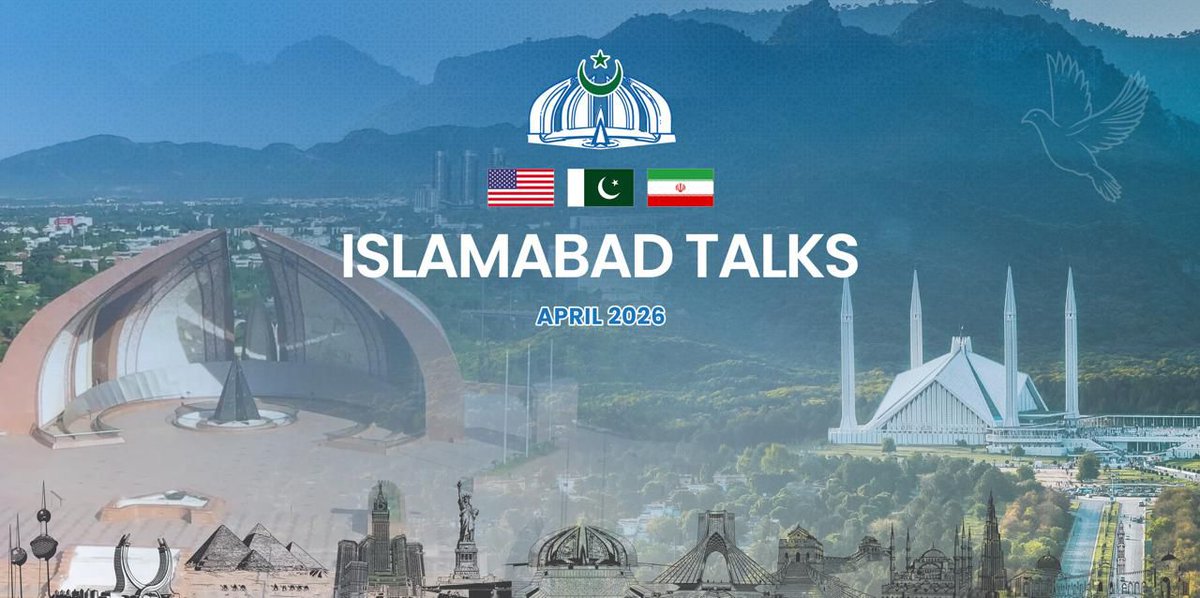
Diplomatic efforts have further stalled after the cancellation of a planned visit by U.S. envoy Steve Witkoff and Jared Kushner to Islamabad, where Iranian Foreign Minister Abbas Araqchi had been actively engaging in talks. Araqchi has since traveled to Oman and Russia, where he received support from President Vladimir Putin.
Meanwhile, oil prices are rising again due to ongoing disruptions in the Strait of Hormuz, a critical global oil transit route. Shipping traffic has dropped sharply, with only a handful of vessels passing through recently, none carrying oil for international markets. Reports indicate that several Iranian oil tankers have been turned back due to U.S. naval actions, which Iran has condemned as unlawful.
With domestic pressure mounting and approval ratings slipping, Trump faces increasing urgency to resolve the conflict, while Iran continues to push for recognition of its right to enrich uranium as part of any future agreement.