South Korea's telecom operators could now more freely set their pay plans and be creative in wooing subscribers with the National Assembly approving revisions to related laws.
However, some consumers worry that the move will bring higher mobile services rates.
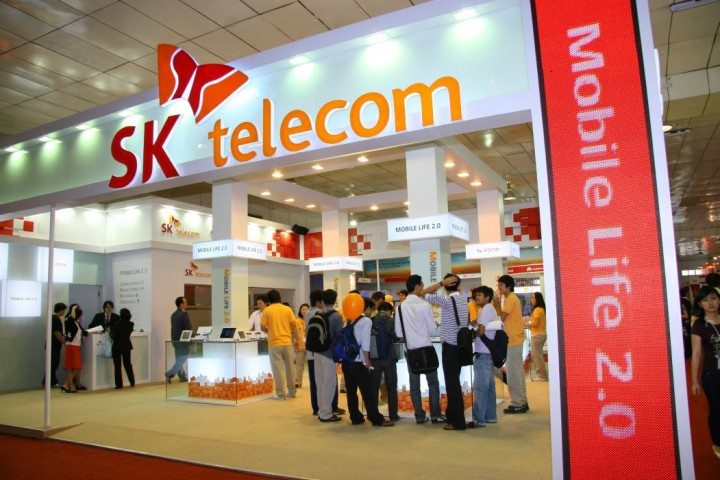
With the telecommunications business act now revised and the rule on mobile tariffs authorization scrapped, the leading mobile carrier need not get government approval before releasing new mobile service pay plans.
All SK Telecom Co., currently the leading mobile carrier, has to do is to report to the state regulator when it plans to introduce new mobile tariff plans.
Consumers favor the old regulation, insisting it acts as a safeguard against rate hikes from the country's top mobile carrier. But mobile carriers claimed that it limited free competition.
Consumer advocate groups criticized the revision for allowing users to spend more on their mobile phone contract.
Ahn Jin-geol, who represents the People's Livelihood Economy Research Institute, complained that there is de facto collusion among the three mobile carriers, SK Telecom, KT Corp., and LG Uplus Corp., in copying tariff plans from each other.
He doubts that the scrapping of the authorization rule could boost competition and alleviate burdens caused by mobile tariffs.
The government assured that there would be no unreasonable rate hike from mobile carriers as the revised law contains a clause allowing the state regulator to put new rate plans on hold if found violative of fair business practices and discriminates against users.