SK Telecom Co. has released a mobile app-based DNA testing service dubbed care8 DNA in partnership with its joint venture Invites Healthcare Co. and bio firm Macrogen Inc.
The subscription-based setting allows users to sign up for 29 types of genetic testing, such as for nicotine reliance and hair loss.
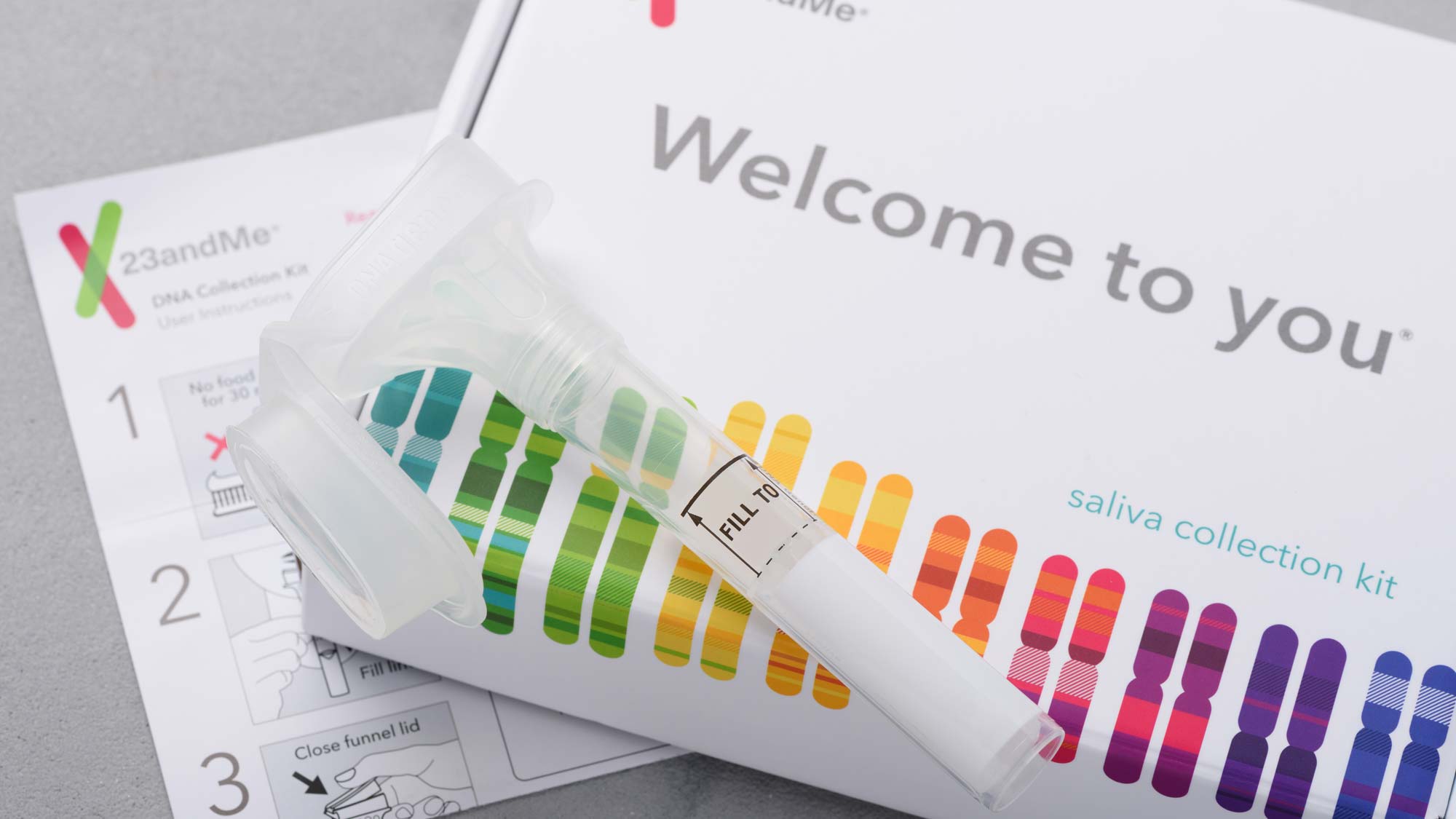
Users will receive DNA test kits at home, which they would send back to SK Telecom with their saliva for analysis.
Test results will be available on the care8 DNA app after two weeks.
According to SK Telecom, their DNA service, which costs 99,000 won for a one-year subscription, is more affordable than local direct-to-consumer (DTC) genetic tests.
The app also provides other services, such as personalized health coaching. More genetic tests would also be introduced.
SK Telecom, South Korea's largest mobile carrier, increased its investment in Israel-based startup Nano-X Imaging Ltd in June to boost its presence in the digital health care sector.
The global DTC genetic testing market is expected to increase to $6.4 billion in 2028 from $824 million in 2018.