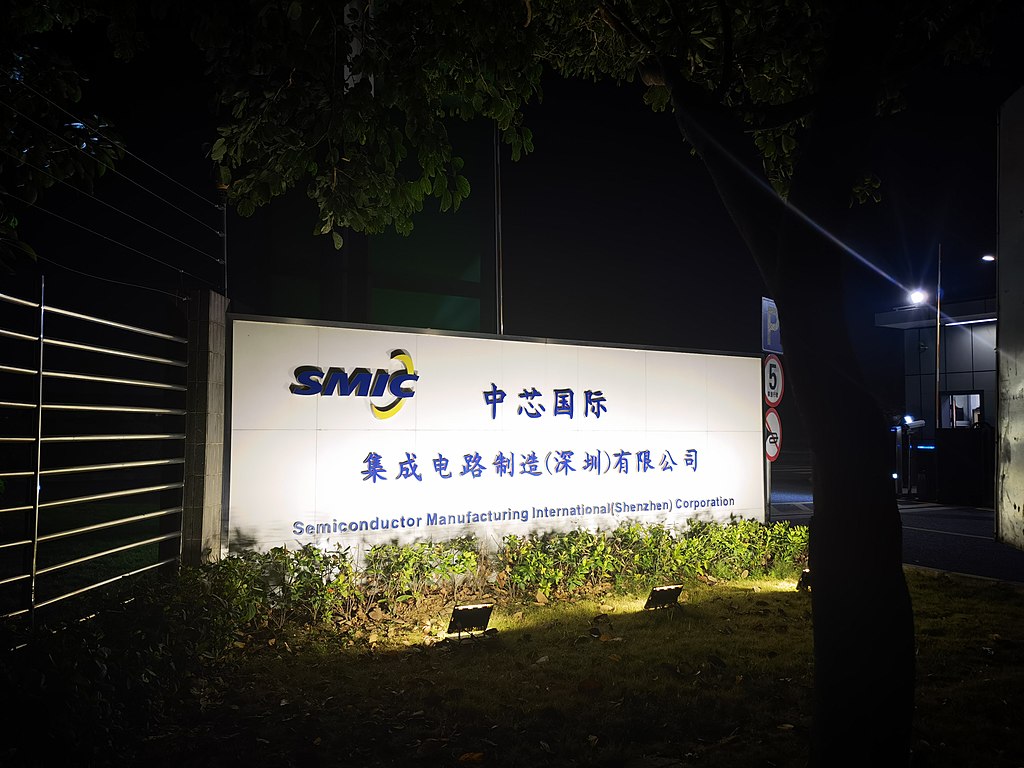
China’s leading chipmaker, Semiconductor Manufacturing International Corp (SMIC), cautions that the mature-node chip market may face oversupply in the second half of 2025. Despite a recent recovery, the company foresees declining orders and intensified price competition as industry-wide capacity expands.
SMIC specializes in mature-node chips used in consumer electronics and home appliances, which saw high demand during the pandemic but have since slowed as consumer habits shifted. While SMIC has been linked to producing chips for Huawei, it has never confirmed these claims, and advanced chip sales remain a minor revenue source.
The company’s Q4 2024 revenue rose 31.5% year-over-year to $2.2 billion, aligning with market expectations. Growth was driven by China’s consumer stimulus measures and increased localization amid geopolitical tensions. Its Hong Kong-listed shares rose 3.86% on Wednesday following the earnings report.
To strengthen China’s semiconductor self-sufficiency, SMIC ramped up capital expenditure, increasing from $4.5 billion in 2021 to $7.3 billion in 2023. Spending remained steady at $7.33 billion in 2024 and is projected to reach $7.5 billion in 2025. However, rising depreciation costs could pressure profitability, with Co-CEO Zhao Haijun warning of a 20% increase in related expenses.
Despite revenue growth, SMIC's gross profit margin dropped from over 30% in previous years to around 20% in 2023, though it rebounded to 22.6% in Q4 from 16.4% a year earlier. Net profit for the quarter stood at $107.6 million, missing analyst estimates of $193.45 million.
As U.S. export controls limit access to advanced chipmaking technology, Chinese firms like SMIC are focusing on mature-node chips, gaining market share from rivals like Taiwan’s Powerchip. However, the anticipated oversupply and pricing pressures in 2025 may challenge sustained profitability.