


 Trump Eyes $54 Billion South Korean Investment in Alaska LNG
  BlackRock’s Rick Rieder Favors Bonds Over Stocks as Treasury Yields Surge
  BOJ Set to Raise Rates to 1.25% as Inflation Risks Build
  South Korea Exports Set for 16th Monthly Gain on AI Chip Demand
  Fed Unveils Stablecoin Rules Under GENIUS Act
  China Cuts Tariffs on U.S. Farm Goods but Excludes Soybeans
  Gold Plunges 4% as Treasury Yields Surge and Fed Rate Hike Bets Rise
  XRP Price Targets $1.70 as Bullish Momentum Builds
  Oil Prices Slide as Middle East Flows Recover
  Japanese Yen Retreats as Dollar Rises Ahead of Fed, BOJ Rate Decisions
  Gold Holds Near Seven-Week Low as Fed Rate Hike Bets Rise
  Fed’s Hammack Says Bond Yield Surge Is Not Driven by Inflation Fears
  Asian Stocks Fall as Bond Yields and Oil Prices Surge
  Fed Unveils Stablecoin Rules Under GENIUS Act
  U.S. Stock Futures Fall as Iran, Oil and AI Risks Rattle Markets
  ECB May Stop Rate Hikes After December, Capital Economics Says


 Add as a preferred source on Google
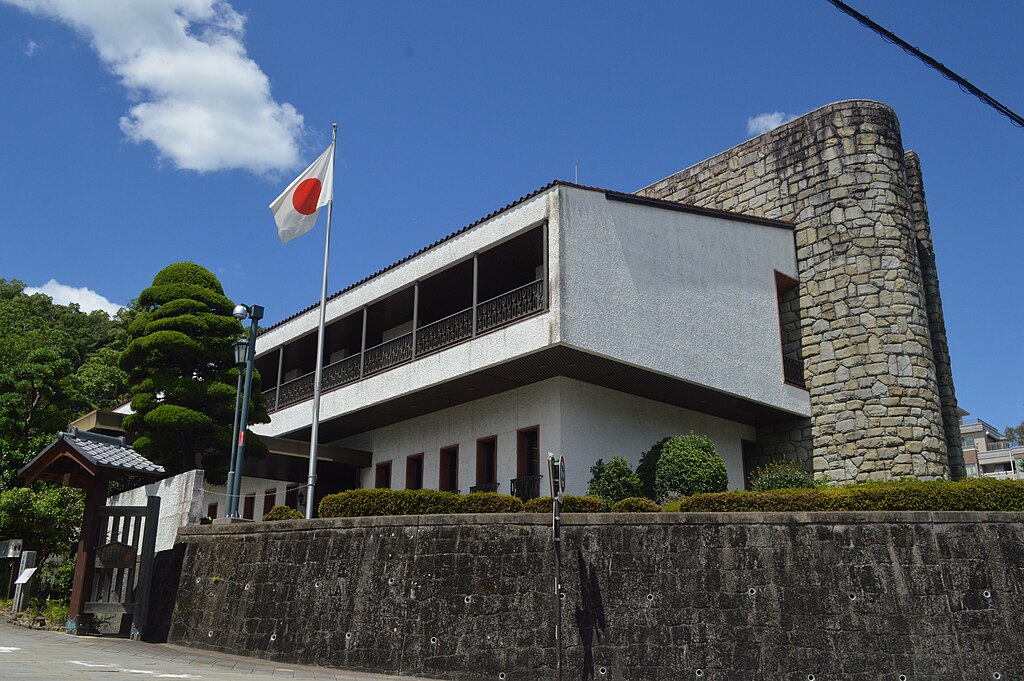
The Bank of Japan (BOJ) is widely expected to raise interest rates to a three-decade high, marking another milestone in its gradual exit from ultra-loose monetary policy. At the conclusion of its two-day meeting on Friday, the BOJ is forecast to lift its short-term policy rate to 0.75% from 0.5%, the first hike since January and the highest level since 1995. This move underscores the central bank’s growing confidence that sustained wage growth will keep inflation anchored around its 2% target.
Although Japan’s interest rates would remain low compared with global standards, the increase represents a significant shift for an economy long accustomed to near-zero rates and unconventional easing. Under Governor Kazuo Ueda, the BOJ has already ended a decade-long stimulus program and raised rates twice, signaling a clear commitment to monetary normalization as inflation proves more persistent.
Markets are now focused on Ueda’s post-meeting press conference for guidance on the future path of interest rates. Analysts expect the BOJ to emphasize that real interest rates will remain deeply accommodative even after the hike, while signaling openness to further increases beyond next year. According to a Reuters poll, 90% of economists anticipate a December hike to 0.75%, and more than two-thirds expect rates to reach at least 1.0% by September next year.
The decision comes amid stronger economic signals, including rising business confidence, continued wage growth, and core consumer inflation holding at 3.0% in November—well above the BOJ’s target. Persistent food price pressures and a weaker yen, which raises import costs, have also strengthened the case for tightening. Recent yen depreciation has highlighted Japan’s role as a low-cost funding source globally, meaning further rate hikes could have ripple effects across international markets.
While the BOJ estimates Japan’s neutral interest rate to lie between 1% and 2.5%, officials are expected to remain cautious and avoid committing to a specific pace or endpoint for future hikes. Still, the anticipated move to 0.75% reinforces the message that Japan is entering a new era of policy normalization after decades of deflationary struggle.







