


 Judge Blocks Trump Rule Limiting Foreign Student Visas
  Saudi Arabia Shuts East-West Oil Pipeline After Drone Attack
  Ukraine Tests New Anti-Drone Weapon After Successful Shahed Intercept
  SEC Probes Banks Over Situational Awareness Hedge Fund Collapse
  US-China Experts Push AI Nuclear Safeguards to Prevent Military Escalation
  Synthetic data could ease people’s concerns about privacy breaches. But who gets to create it?
  Trump Administration Pauses Visa Appointments Worldwide
  US Resumes Immigrant Visa Processing for Hungary, Poland
  Trump Eyes End to Iran War, Plans Gulf Leaders Meeting
  US Confirms Weapons in Orbit as Space Tensions Rise
  US Judge Dismisses Imran Ahmed Deportation Lawsuit
  U.S. Probes Apex Logistics Over Nvidia AI Chip Shipments to China
  Yemen Fighting Threatens Red Sea Oil Routes
  Australia Tightens Student Visa Rules, Targets Migration Cut by 2028
  ICE Agent Arrested in Minneapolis Over Venezuelan Man Shooting
  Guterres Urges Stronger Global AI Safeguards Ahead of UN Assembly
  Australia Defends Social Media Algorithm Law Amid US Concerns


 Add as a preferred source on Google
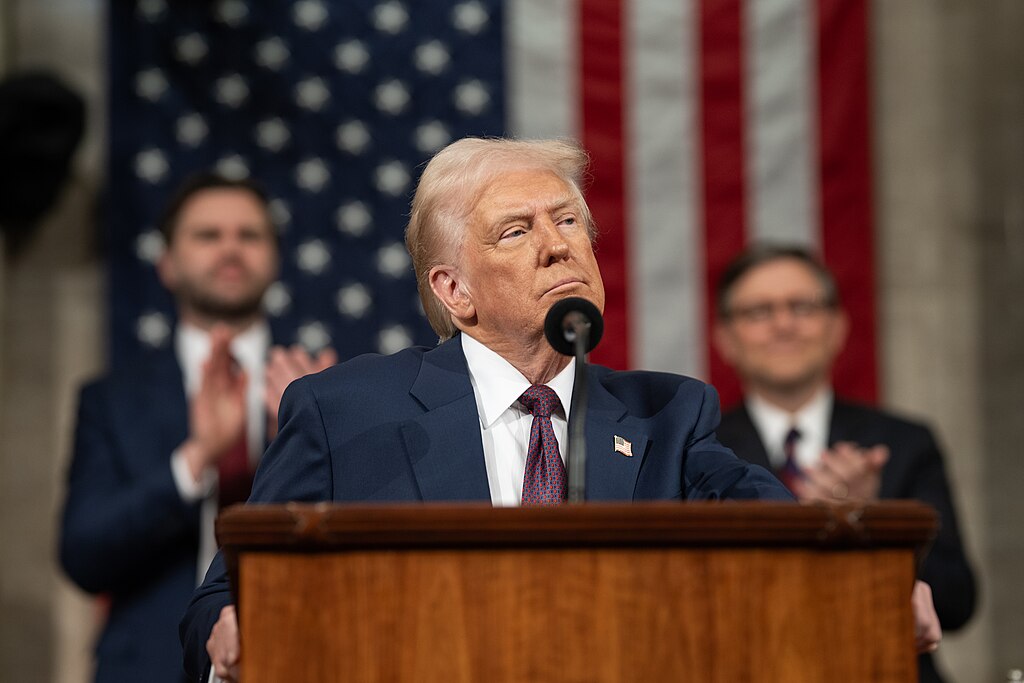
Washington’s decision to expand U.S. travel restrictions to include Antigua and Barbuda and Dominica is raising serious concerns across the Caribbean, where access to the United States plays a vital role in tourism, education, healthcare, business, and family connections. On December 16, Republican U.S. President Donald Trump announced that the two small Caribbean nations would be added to a list of countries subject to a partial travel ban, citing concerns over passport security and citizenship-by-investment programs. The new restrictions are set to take effect on January 1.
The policy blocks entry to the United States under visas previously used for temporary travel such as tourism and business, triggering fears of widespread economic disruption. Tourism is a cornerstone of Caribbean economies, accounting for a significant share of employment and foreign exchange earnings. Industry leaders warn that reduced passenger traffic could force airlines to cut routes, making Caribbean destinations harder to reach and further hurting visitor numbers.
Business owners and residents in Antigua and Barbuda say the impact will be immediate and far-reaching. Many flights bringing U.S. tourists to the islands rely on local residents traveling back to the United States on return legs. If Antiguans are unable to travel, airlines may face half-empty planes, threatening route viability and tourism growth. Beyond tourism, the restrictions could affect education, trade, and especially healthcare, as many Caribbean residents depend on U.S. hospitals and medical specialists for advanced treatment.
The announcement has also disrupted family life, particularly during the holiday season, as many Caribbean families are split between the islands and the United States. Some residents now face the prospect of being unable to visit elderly or hospitalized relatives, deepening anxiety across the region.
The White House said the move was driven by national security concerns related to screening, vetting, and information-sharing deficiencies. Antigua and Barbuda’s Prime Minister Gaston Browne rejected the claims, stating that his government has worked closely with U.S. authorities to strengthen safeguards and ensure its citizenship program poses no security risk.
For many Caribbean nations already struggling with climate change, rising costs, and limited economic diversification, the expanded U.S. travel ban is seen as another policy decision with outsized consequences for small, tourism-dependent economies.







