


 US Treasury Yields Ease After Strong 10-Year Auction as Global Bonds Struggle
  US Stock Futures Rise as Oil Prices Fall Ahead of Q3 Earnings
  US Dollar Rises for Fourth Week as Fed Rate Hike Bets Grow
  US, EU Push for Action Against Asia’s Excess Factory Capacity
  Trump Calls for Zelenskyy Replacement Amid Russian Diesel Deal
  Dollar Near 18-Month High as Euro, Yen and Pound Weaken
  UK Finance Minister Healey Calls for Fiscal Discipline Amid Global Risks
  Oil Prices Slip as Trump Rules Out Iran Strike Before Midterms
  Gold Prices Rise as Dollar Weakens, Treasury Yields Fall
  IMF, World Bank Meetings Face Global Economic Risks Amid Iran War
  Gold Prices Rise Above $4,200 as Russia-Ukraine Energy Truce Eases Oil Concerns
  Wall Street Falls as Oil Prices Rise and Tech Stocks Slide
  Oil Prices Fall as Trump Ceasefire Claim Shifts Market Focus to U.S. CPI
  European Auto Stocks Rise as EU-China Trade Deal Targets Hybrid Imports
  Asian Stocks Mixed as OpenAI Revenue Concerns Hit Chipmakers
  US Dollar Near 18-Month High Ahead of Inflation Data


 Add as a preferred source on Google
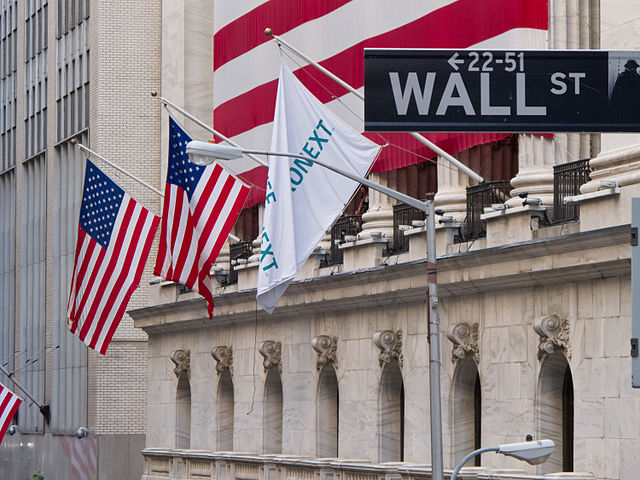
The S&P 500 rally in 2026 has pushed the benchmark index up 14% to record highs, but gains remain heavily concentrated among artificial intelligence (AI) and semiconductor stocks, leaving more than 40% of its constituents in negative territory.
According to a Reuters analysis of LSEG data, over 200 S&P 500 companies have declined this year, with approximately one-quarter losing at least 11%. Meanwhile, the median stock has gained just 4%, highlighting the widening gap between the broader US stock market and its largest technology companies.
Memory-chip manufacturers Sandisk and Micron Technology have more than tripled in value, benefiting from surging demand for AI infrastructure. Nvidia, Apple and Advanced Micro Devices have also played significant roles in driving the benchmark higher.
The US stock market rally is approaching its fourth anniversary, with the S&P 500 positioned for a fourth consecutive annual gain. However, rising interest rates and persistent inflation concerns are creating challenges for companies outside the AI sector.
The Federal Reserve's September interest-rate hike, alongside expectations of further tightening, has weakened investor appetite for industrial, consumer discretionary and real estate stocks.
Baird investment strategist Ross Mayfield warned that businesses lacking exposure to AI or rising energy prices face considerable pressure from elevated borrowing costs and oil prices. He also cautioned that aggressive Federal Reserve tightening could threaten the ongoing bull market.
Among the S&P 500's 11 sectors, eight have advanced in 2026. Energy leads with a 42% increase, followed by technology at 32%. Nevertheless, technology accounts for more than 10 percentage points of the index's overall gain, compared with less than one percentage point from energy.
Nvidia alone has contributed nearly two percentage points to the benchmark's advance, while Apple, Micron and AMD have each added more than one percentage point. Conversely, Tesla's 15% decline has reduced the index's performance by approximately 0.3 percentage points.
Market breadth indicators also signal underlying weakness. Fewer than half of S&P 500 companies trade above their 200-day moving averages, suggesting limited participation in the rally.
Morgan Stanley strategists continue to favor high-quality large-cap stocks with improving earnings expectations while considering opportunities in riskier equities if the market experiences further corrections.
The growing concentration of gains in AI stocks raises questions about the sustainability of Wall Street's record-breaking rally as higher interest rates pressure the broader economy.







