


 Moonshot AI Executives Seek Settlement Ahead of Hong Kong IPO
  Amazon Cuts More Jobs as AI Investment Expands
  Apple Cuts iPhone 18 Pro Production Orders Amid Weak Demand
  Apple Supplier Luxshare Sees Limited Impact From US Patent Probe
  Epic Games Delays Disney Shooter, Shifts to AI-First Development
  Samsung, SK Hynix Shares Fall as China's CXMT Advances DRAM Technology
  Yandex Data Center Hit by Drone Strike as Russia-Ukraine Cyber Infrastructure Attacks Escalate
  Robinhood Chain Eyes Priority Gas Auctions for Faster Trades
  Broadcom, Oracle and SpaceX Seek Billions in Private Debt for AI Expansion
  Trump Buys Up to $25M in Meta Stock, Invests in SpaceX Debt
  Amazon in Talks to Acquire AI Startup Decart for $7 Billion
  Arthur Hayes Announces FLOP Testnet Launch Within Weeks
  TSMC Q3 Revenue Beats Estimates as AI Chip Demand Surges
  TSMC Profit Set to Surge 65% as AI Chip Demand Drives Record Earnings


 Add as a preferred source on Google
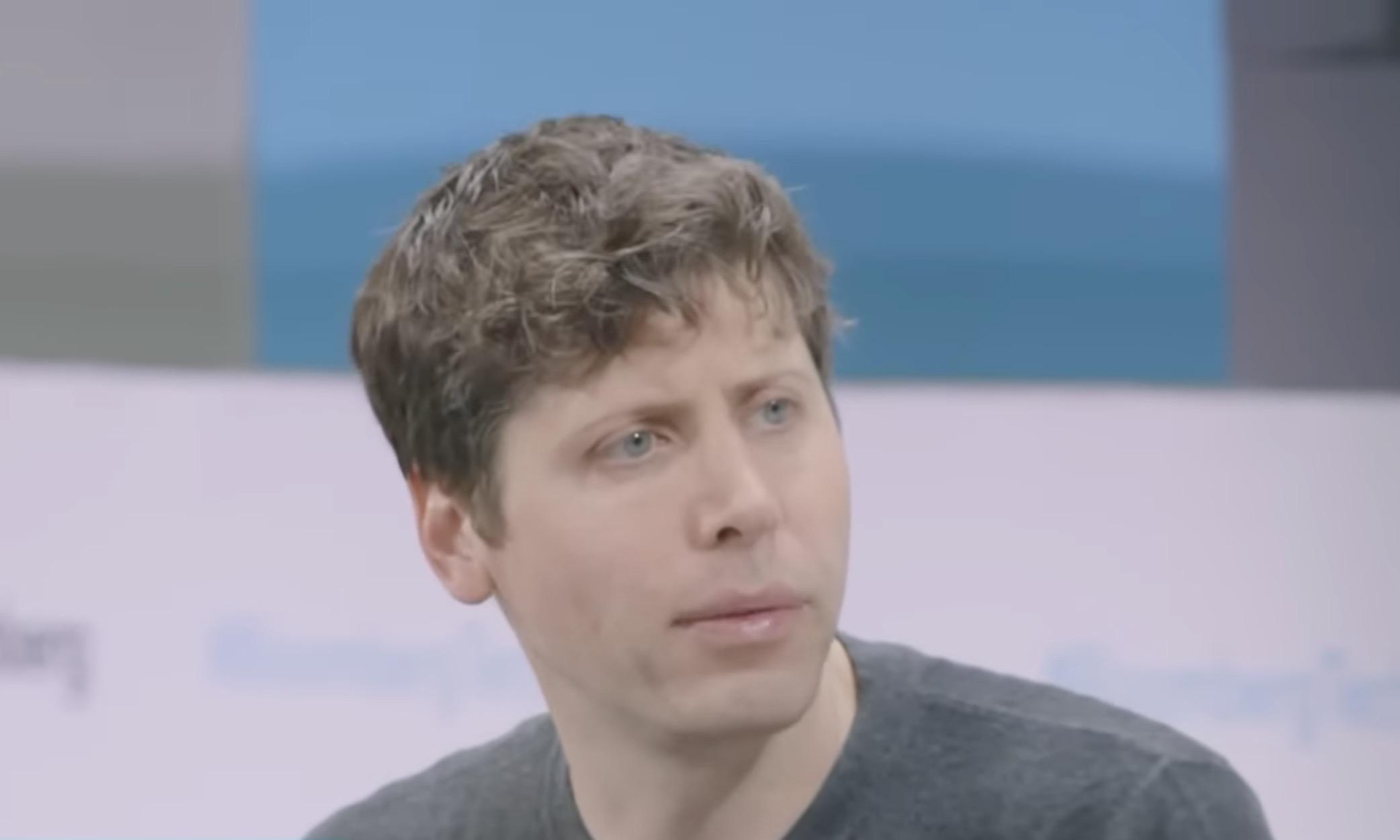
During a recent panel at the Brookings Institute, Sam Altman, CEO of OpenAI, expressed deep concerns about the rapid socioeconomic changes driven by AI technologies. Altman highlighted the potential for significant job displacement and economic disruption, urging a more serious consideration of these impacts.
Altman Highlights AI's Deep Economic Risks, Urges Attention Beyond Election Misinformation
In a recent report by Business Insider, OpenAI CEO Sam Altman was challenged about how the proliferation of AI-generated misinformation may affect elections. The tech leader appeared to be more concerned about another issue: AI's economic impact.
"The thing I'm most worried about right now is the speed and magnitude of the socioeconomic change may have and what the impacts on that will be," Altman said on May 7 during a Brookings Institute panel about AI and geopolitics.
Altman acknowledges valid concerns about AI's impact on the economy, particularly the potential for widespread job displacement. He shares these fears and stresses the need to take them seriously to avoid potential societal upheaval.
"GPT-4 didn't have this huge detectable impact on the economy, and so people were kind of like, "Oh well, we were too worried about that, and that's not a problem," Altman said on the panel, referring to the language model that powers ChatGPT. "I fear we won't take that one seriously enough going forward, and it's a massive issue."
Altman did not answer Business Insider's request for comment before publication when asked why he believes it would be an issue.
IMF and McKinsey Reports Predict Significant Job Shifts Due to AI by 2030
New research reveals how much artificial intelligence (AI) can disrupt the economy. Earlier this year, research by the International Monetary Fund showed that AI may affect around 60% of occupations in "advanced economies." The IMF wrote that roughly half of those jobs can be automated, potentially leading to fewer hiring and lower salaries. As a result, over 12 million US workers may have to change jobs by 2030, according to a second McKinsey report.
Workers are already seeing the effects of AI on their jobs. Some CEOs claim to have replaced their employees with AI chatbots, while others claim to have lost jobs due to tools such as ChatGPT.
AI does not imply doom for all workers. Those enthusiastic about AI believe that understanding how to use the technology may help employees save time and increase productivity. They can even advance up the company hierarchy and earn more money.
However, Altman expressed concern about AI's possible impact on the job sector. In an interview with CNBC last year, he admitted being "a little scared" of ChatGPT and warned that his company's invention could "eliminate" much employment.







