


 Amazon in Talks to Acquire AI Startup Decart for $7 Billion
  Apple Cuts iPhone 18 Pro Production Orders Amid Weak Demand
  Anthropic Launches Claude Dashboards and Motion AI Tools
  Apple Names Steve Smith M&A Chief in Leadership Shakeup
  Meta Launches Muse Wonder AI Models, Shares Rise 3.7%
  Epic Games Delays Disney Shooter, Shifts to AI-First Development
  Solidigm Taps Goldman, Morgan Stanley for $10 Billion US IPO
  Nvidia’s China AI Chip Market Share Falls to 34% as Huawei Gains Ground
  Apple Supplier Luxshare Sees Limited Impact From US Patent Probe
  Arthur Hayes Announces FLOP Testnet Launch Within Weeks
  Jameson Lopp Downplays AI Threat to Bitcoin Cryptography
  Yandex Data Center Hit by Drone Strike as Russia-Ukraine Cyber Infrastructure Attacks Escalate
  TSMC Profit Set to Surge 65% as AI Chip Demand Drives Record Earnings
  Robinhood Chain Eyes Priority Gas Auctions for Faster Trades
  US Suspends Microsoft, Adobe From Green Card Program
  OpenAI Annualized Revenue Hits $50 Billion, Below Earlier Estimates


 Add as a preferred source on Google
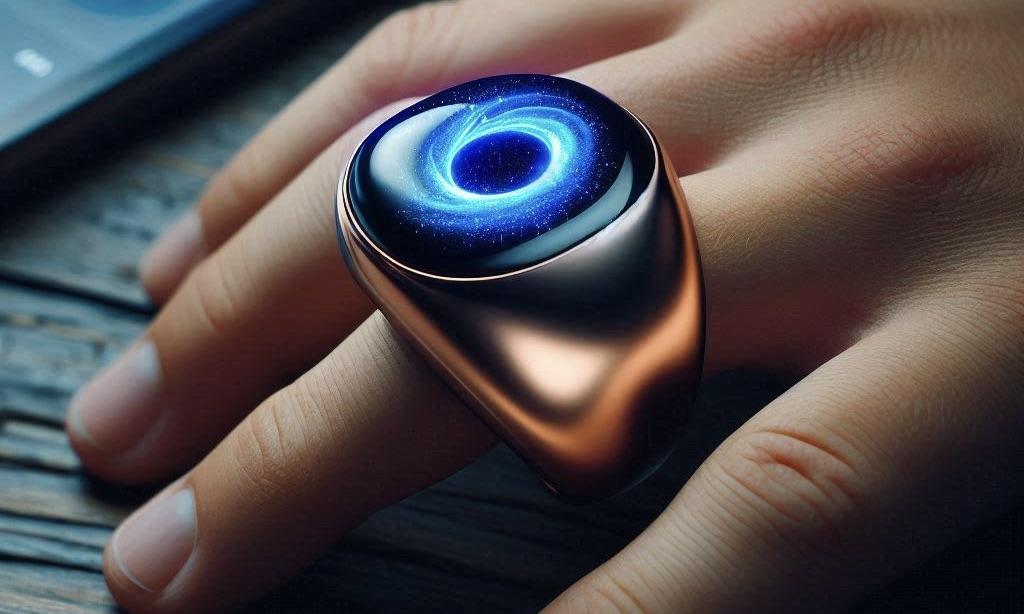
Samsung's debut bright ring, the Galaxy Ring, is making waves as one of the most anticipated tech releases of the year. After a week of wearing it, the Galaxy Ring has proven to be a standout product, especially in one key area: battery life.
Initial impressions of the Galaxy Ring revealed similarities to the Oura Ring, a popular choice in the smart ring market. However, Samsung's $399 offering quickly distinguished itself with features like AI-powered health insights and a unique double-pinch gesture. These enhancements are designed to provide a seamless user experience during exercise, sleep, or even in the shower, as per Tom's Guide.
Samsung has been relatively tight-lipped about the exact battery life expectancy of the Galaxy Ring. The company specified that battery capacity ranges from 18 to 23.5 mAh depending on the ring size, with estimates suggesting that sizes 12 and 13 could last up to seven days. For a size 10 ring tested, a realistic expectation was around five days of battery life.
In practice, the Galaxy Ring exceeded expectations. According to the Samsung Health app, on the fifth day of continuous use, the ring still retained about 15% of its charge. This performance surpasses that of the Oura Ring, which typically lasts close to four days on a full charge. The extended battery life meant fewer charging interruptions and a more seamless user experience.
The synergy between the Galaxy Ring and the Galaxy Watch Ultra is a critical factor contributing to this impressive battery life. Both devices are part of the Samsung ecosystem, and their combined use enhances health and wellness insights while conserving battery life. Samsung's integration strategy allows the ring to rely on the smartwatch for some functions, extending its battery performance.
However, the true test of the Galaxy Ring's battery life will come when it is used independently of the Galaxy Watch Ultra. The initial results are promising, but further testing is needed to confirm if the ring can maintain a five-day battery life without assistance from other devices.
The Galaxy Ring's battery performance is just one aspect of its appeal. Its AI-powered health insights offer valuable data for users looking to improve their wellness routines. The double-pinch gesture adds convenience, allowing users to interact with their ring effortlessly.
Samsung's foray into the smart ring market with the Galaxy Ring demonstrates the company's commitment to innovation and user experience. The impressive battery life and advanced health features position the Galaxy Ring as a formidable competitor in the wearable tech space.
The extended battery life is a significant advantage for consumers considering the Galaxy Ring. The Galaxy Ring offers a reliable and efficient experience, whether alone or with other Samsung devices. As further testing continues, the Galaxy Ring's potential to revolutionize the smart ring market becomes increasingly apparent.
In conclusion, the Samsung Galaxy Ring delivers on its promises, offering users a compelling combination of battery longevity and advanced health insights. This makes it a noteworthy addition to Samsung's lineup of innovative products and a strong contender in the wearable technology market.







