


 Anthropic Launches Claude Dashboards and Motion AI Tools
  Trump Buys Up to $25M in Meta Stock, Invests in SpaceX Debt
  TSMC Q3 Revenue Beats Estimates as AI Chip Demand Surges
  Apple Supplier Luxshare Faces US Patent Probe, Sees Limited Impact
  Apple Supplier Luxshare Sees Limited Impact From US Patent Probe
  TSMC Profit Set to Surge 65% as AI Chip Demand Drives Record Earnings
  US Suspends Microsoft, Adobe From Green Card Program
  Elon Musk Eyes Semiconductor Manufacturing Expansion With $15 Billion Terrafab Project
  Oracle Uses Trucked Natural Gas to Power AI Data Centers Amid Pipeline Delays
  Solidigm Taps Goldman, Morgan Stanley for $10 Billion US IPO
  Nvidia’s China AI Chip Market Share Falls to 34% as Huawei Gains Ground
  Yandex Data Center Hit by Drone Strike as Russia-Ukraine Cyber Infrastructure Attacks Escalate
  Meta Launches Muse Wonder AI Models, Shares Rise 3.7%
  Robinhood Chain Eyes Priority Gas Auctions for Faster Trades


 Add as a preferred source on Google
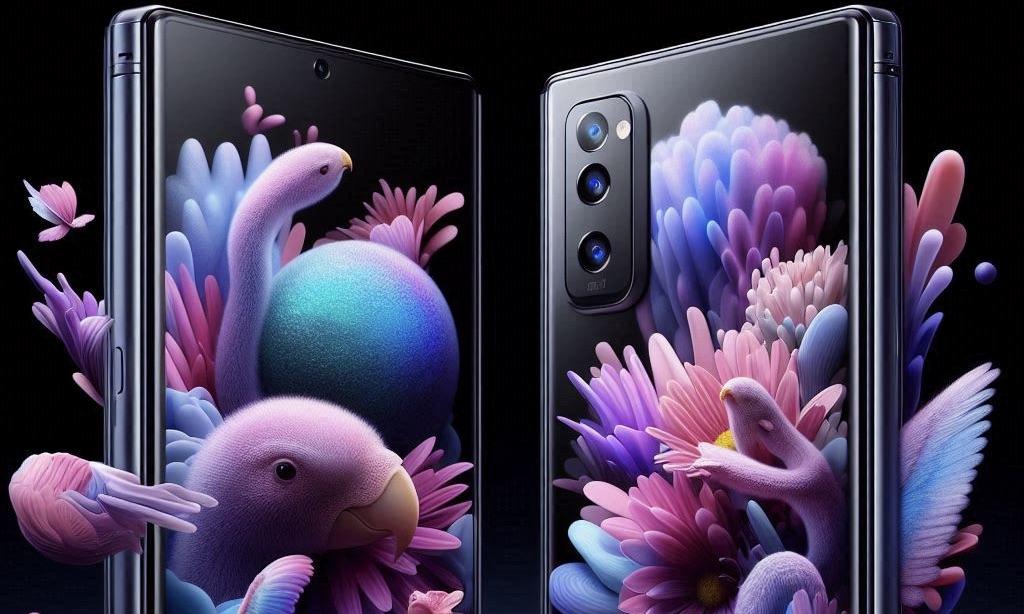
Samsung has again pushed the boundaries of foldable smartphone technology by unveiling the Galaxy Z Fold 6 at its Unpacked event in July. This new release brings several upgrades over its predecessor, the Galaxy Z Fold 5, including a lighter chassis, a more powerful processor, and enhanced AI features. But are these improvements enough to warrant an upgrade?
Price and Availability
The Galaxy Z Fold 6 has three configurations: the 256GB model at $1,899.99, the 512GB variant at $2,109.99, and the 1TB version at $2,259.99, How To Geek reported. These prices are $100 higher than the Fold 5's respective models, which are still available for a lower price, making the Fold 5 a potentially attractive option for budget-conscious buyers.
Pre-orders for the Galaxy Z Fold 6 began on July 23, with shipments starting on July 24. Both models are available through Samsung's exclusive store, website, and major retailers like Amazon and Best Buy.
Design and Display
The Galaxy Z Fold 6 features a broader cover screen and a lighter chassis than the Fold 5. Measuring 153.5 x 132.6 x 5.6mm when unfolded, the Fold 6 is slightly shorter, more comprehensive, and thinner than its predecessor. When folded, it is also more compact. The cover screen on the Fold 6 is 6.3 inches with an aspect ratio of 22.1:9, compared to the 6.2-inch display on the Fold 5 with an aspect ratio of 23:9. This change makes the Fold 6 more comfortable to use as a traditional smartphone.
The new model also weighs 13 grams less than the Fold 5, addressing one of the common complaints about the bulkiness of Samsung's foldable phones. The Fold 6's lighter weight and improved dimensions make it more portable and user-friendly.
Performance and Features
The Galaxy Z Fold 6 is powered by the Snapdragon 8 Gen 3 SoC, a significant upgrade over the Snapdragon 8 Gen 2 used in the Fold 5. This new processor offers better performance and efficiency, enhancing the user experience. The Fold 6 also includes a larger vapor chamber for better heat management, ensuring optimal performance during extended use.
Additionally, the Fold 6 introduces new Galaxy AI features, such as Sketch to Image and Note Assist, which provide advanced image editing and note-taking capabilities. These features are part of the One UI 6.1.1 operating system and may eventually be available on older models through software updates.
Durability and Build
The Galaxy Z Fold 6 boasts an improved IP48 rating, offering better dust and water resistance than the Fold 5. The new Dual Rail Hinge design enhances durability and reduces the visibility of the screen crease. The cover screen is protected by Corning's Gorilla Glass Victus 2, further enhancing the device's robustness.
Camera and Battery
The camera setup on Fold 6 is similar to that of Fold 5, with a slight improvement in the ultrawide sensor. The new 12MP ultrawide camera can record 4K HDR videos at 60 fps, making it a valuable feature for content creators. However, the battery life and charging speed remain unchanged, with both models featuring a 4,400 mAh battery and 25W wired charging.
Conclusion: Is the Upgrade Worth It?
For users of older Samsung foldables like the Fold 3 or Fold 4, the Galaxy Z Fold 6 offers significant improvements that justify an upgrade. However, for current Fold 5 owners, the new features and enhancements may not be compelling enough to warrant the additional expense. First-time buyers should consider their budget and may find the Fold 5 a more cost-effective option, especially if it is discounted.







