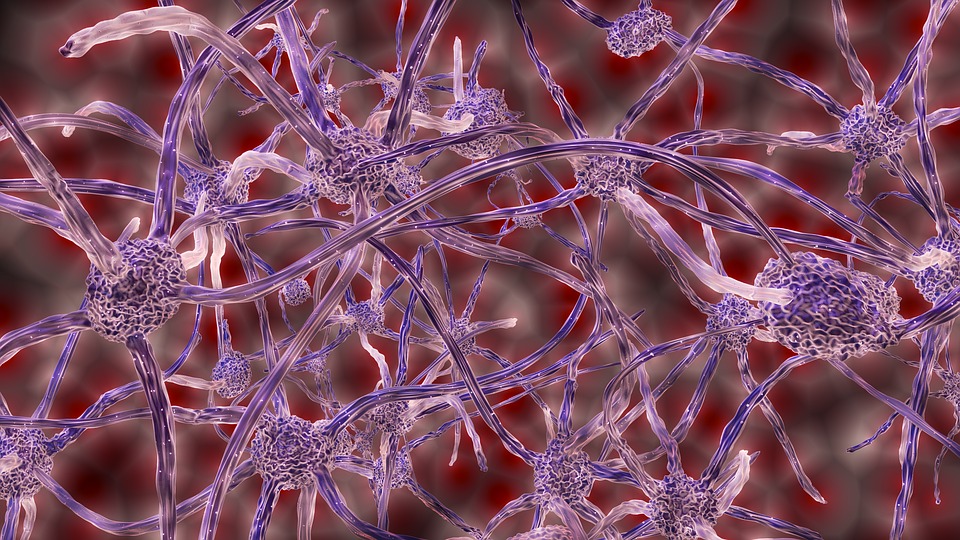
While tech revolutionaries like Elon Musk prefer to merge man with machine in order to make humans smarter, stronger, and better, others prefer a more biological approach. A team of scientists recently discovered new types of brain cells via molecular analysis. This could lead to major improvements in cognitive function as well as gives hope to curing degenerative neurological disorders.
From a neurological standpoint, brain cells are generally analyzed in two ways, but scientists are increasingly looking at mapping the brain right down to the molecular level. As Futurism notes, this is how scientists can find a way to combat diseases like Alzheimer’s and dementia. It could also go a long way towards giving humans some sweet super powers.
In the case of Dr. Joseph Ecker and his team from the Salk’s Genomic Analysis Laboratory, they were able to identify new types of brain cells by essentially dividing them into groups via molecular analysis. In a press release published on Eurekalert, Dr. Ecker noted how different the results are when the brain can be analyzed in such detail.
"We think it's pretty striking that we can tease apart a brain into individual cells, sequence their methylomes, and identify many new cell types along with their gene regulatory elements, the genetic switches that make these neurons distinct from each other," Dr. Ecker said.
To put the magnitude of this discovery in perspective, identifying brain cells in terms of type and analyzing them in groups can have an enormous impact on identifying neurons and their functions. As a result, scientists could begin finding ways to manipulate them in order to bring out the kind of effects that they want.
In the case of patients with Alzheimer’s, identifying which neurons are responsible for allowing the disease to happen could help doctors address the root cause of degeneration. The same goes for subjects who might have limited mental acuity.