The human body has had a set number of organs that have been known for centuries. There’s the stomach, the brain, the skin, the liver, and so on. However, scientists may have just discovered an organ that has gone undetected for all this time and it’s being called the interstitium. Apparently, the reason why no one knew about it is because it is only detectable while the subject is alive.
Modern science and technology have led to the discovery of many things about the natural world that the people of the past would never have even dreamed of. Genetic manipulation is one huge example and the same goes for advanced prosthetics. However, discovering a new organ in the human body was certainly a surprise, with the study being published in Scientific Reports.
“The interstitial space is the primary source of lymph and is a major fluid compartment in the body. While the anatomy and composition of the interstitial space between cells is increasingly understood, the existence, location, and structure of larger inter- and intra-tissue spaces is described only vaguely in the literature,” the study reads.
For some context, it was widely understood within the scientific community that the connective tissues that basically line the organs in humans simply form compact layers, Futurism notes. This has always been how they appear when examined after the subject has died outside the living body.
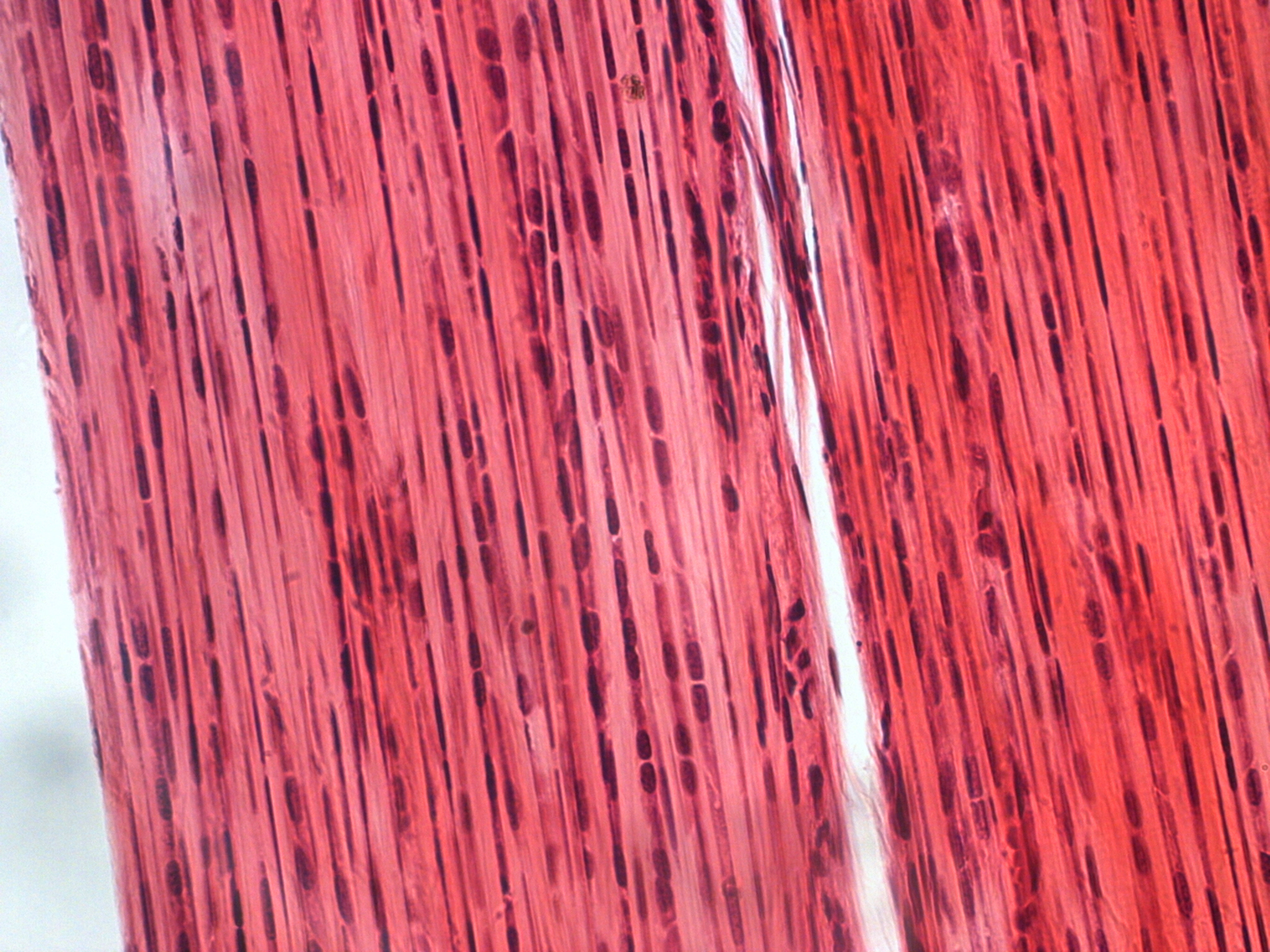
Apparently, when viewed inside a living person via a routine endoscopy the connection tissues are actually “an open, fluid-filled space supported by a lattice made of thick collagen bundles.” These spaces form a network all over the body, which then helps protect it by absorbing shock as humans go about their everyday life.
Unbeknownst to most people, the connective tissues helped to keep them alive and enabled them to do even the most mundane things without damaging their internal organs. Unfortunately, being a network that covers most of the body could also indicate that the interstitium allows cancer cells to move throughout the body.