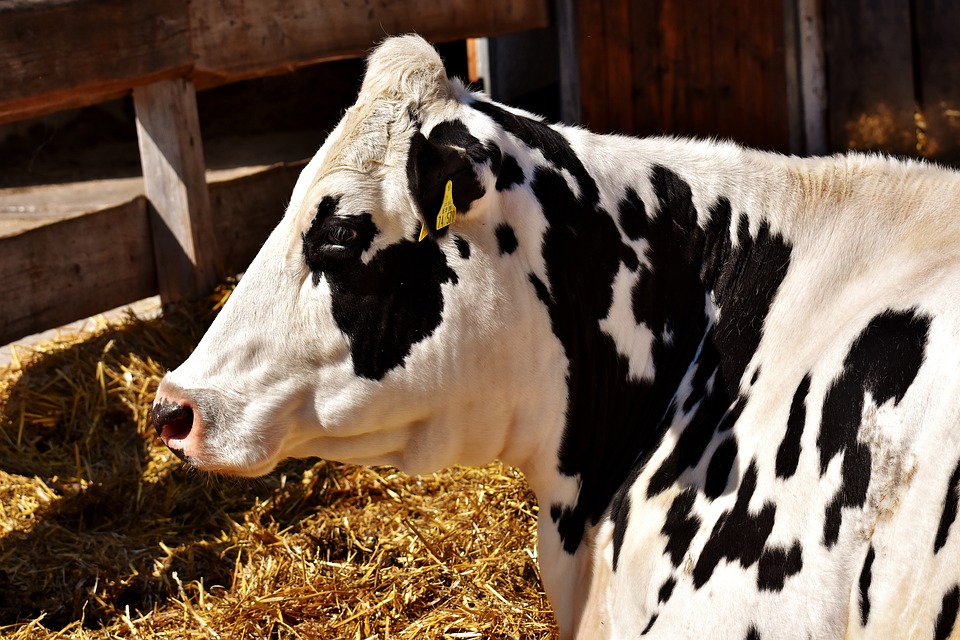
The earth is warming, causing massive changes in the planet’s weather patterns. This results in more heat and more thunderstorms. In order to prepare for the worst, scientists are turning to genetically modifying organisms to resist the upcoming disasters. One of these projects involves creating heat-resistant cows that can survive areas with extremely hot climates.
Creating livestock that can survive under extreme conditions makes a lot of sense, particularly with the direction that the planet’s climate is going. In the case of the project by researchers at the University of Florida, they are basically trying to breed certain genetic traits in cows that can better resist the stress induced by heat.
The team received a grant worth $733,000 from the Federal government, which is meant to fund the project for three years. Raluca Mateescu is one of the people behind the research and explains how the scientists are going to go about creating such bovines.
"The grant allows us to track down DNA segments from the two breeds and figure out which regions of the cow's DNA are important to regulate body temperature," Mateescu explains.
More than simply making sure that the cows don’t die off due to the rising temperatures, however, the researchers also mean to figure out ways to increase production and to improve meat quality. Such a goal is rather ironic when considering that livestock is some of the biggest contributors of greenhouse gasses.
On a related note, this development is also a clear sign that the gene-editing tool CRISPR is starting to take on a bigger role in several fields of science, Futurism reports. After cows, scientists might even start looking towards changing humanity’s genetic makeup in order to make people more resistant to the devastating effects of climate change. This is still largely in the vein of science fiction, however.