


 Venezuela Nears Deal to Move $4 Billion in Gold to New York Fed
  Texas Republicans Turn Against AI Data Centers as Election Backlash Grows
  US Allies Fear Trump Could Soften Taiwan Stance in Xi Talks
  Japan, U.S. Discuss $19 Billion GlobalFoundries Chip Plant
  Kim Yo Jong Warns of Stronger Response to US-Led Military Drills
  France Urges Faster AI Push Despite Safety Risks
  Bessent Presses Japan on Fiscal Policy as Yen Struggles
  Pentagon Restarts Testosterone Testing for US Troops
  FBI, Coast Guard Board Ships After Cyberattacks
  U.S. Imposes New Visa Restrictions Over South Africa Policies
  Trump Bans CNN, MS NOW and Politico From White House
  Paris Talks Focus on Lebanon Army Needs as UNIFIL Exit Looms
  Trump Administration Removes Confederate Memorial Criticism From Arlington Website
  France Targets Shein, Temu With Fast-Fashion Fees
  US Bans Canadian Alcohol, Motorcycles as Trade War Escalates
  NATO Commander Joins US Review of Troop Deployments in Europe
  US Immigration Arrests Surge as Deportations Lag Behind


 Add as a preferred source on Google
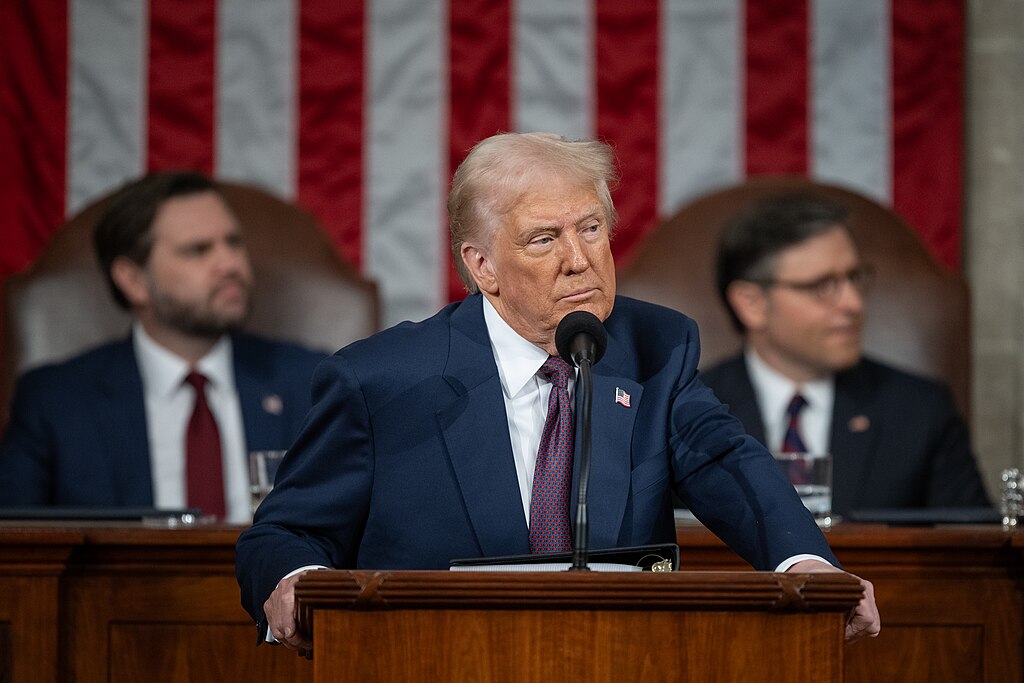
The U.S. Senate took a major step forward on President Donald Trump’s ambitious tax reform agenda, voting 52-48 to advance a budget resolution that supports sweeping tax cuts, increased military spending, and stricter border enforcement. The procedural vote helps pave the way for Republicans to bypass Democratic opposition using special budget rules.
The Senate framework estimates the cost of Trump's tax agenda, including extending the 2017 tax cuts and eliminating taxes on tips, overtime, and Social Security retirement income, at $1.5 trillion over a decade. However, the nonpartisan Committee for a Responsible Federal Budget warns the plan could add $5.8 trillion to the national debt in the next ten years. Other estimates suggest Trump’s full tax proposal could reach $11 trillion.
A key difference between Senate and House versions lies in how the debt impact is calculated. Senate Republicans use a controversial method assuming extended tax cuts won’t increase debt, a point of internal contention addressed in a closed-door meeting led by GOP leaders John Thune and John Cornyn. Cornyn said Republicans are unlikely to overrule the Senate parliamentarian if challenges arise later in the legislative process.
The resolution also includes a $5 trillion increase to the borrowing cap on the current $36.6 trillion national debt, aiming to delay future debt limit debates until after the 2026 midterm elections. It sets an aspirational target of $2 trillion in domestic spending cuts, mostly from pandemic-era programs, to win over House conservatives. However, House Republicans remain skeptical due to the lack of enforceable cuts, while Democrats warn significant reductions could affect Medicaid.
The Senate hopes to finalize the resolution after up to 50 hours of debate and send it to the Republican-led House to align on a final version.







