


 US Resumes Immigrant Visa Processing for Hungary, Poland
  Trump Rallies Republicans at Dallas Midterm Convention
  Trump Administration Moves to Strip ABA of Law School Accreditor Status
  US Judge Dismisses Imran Ahmed Deportation Lawsuit
  U.S. Probes Apex Logistics Over Nvidia AI Chip Shipments to China
  Asian Stocks Mixed as Korean Chipmakers Rally
  Trump Hails AfD Election Win, Blames Germany Immigration Rules
  Asian Currencies Mixed as Yen Rallies on BOJ Bets
  New Zealand Labour Backs Social Media Ban for Under-16s
  Brazil Warns EU of Retaliation Over Animal Products Ban
  Oil Prices Rally as Brent Nears $100 on U.S.-Iran Escalation
  Japan GDP Growth Beats Forecast, Boosting BOJ Rate Hike Bets
  US Stock Futures Mixed as Strong Jobs Data Boosts Fed Rate Hike Bets
  Gold Prices Rise as Yen Rally Weakens Dollar
  ECB Set for September Rate Hike as Energy Prices Fuel Inflation
  Iran Strikes U.S.-Used Jordan Base as Gulf War Escalates
  China to Inject $45 Billion Into State Financial Institutions


 Add as a preferred source on Google
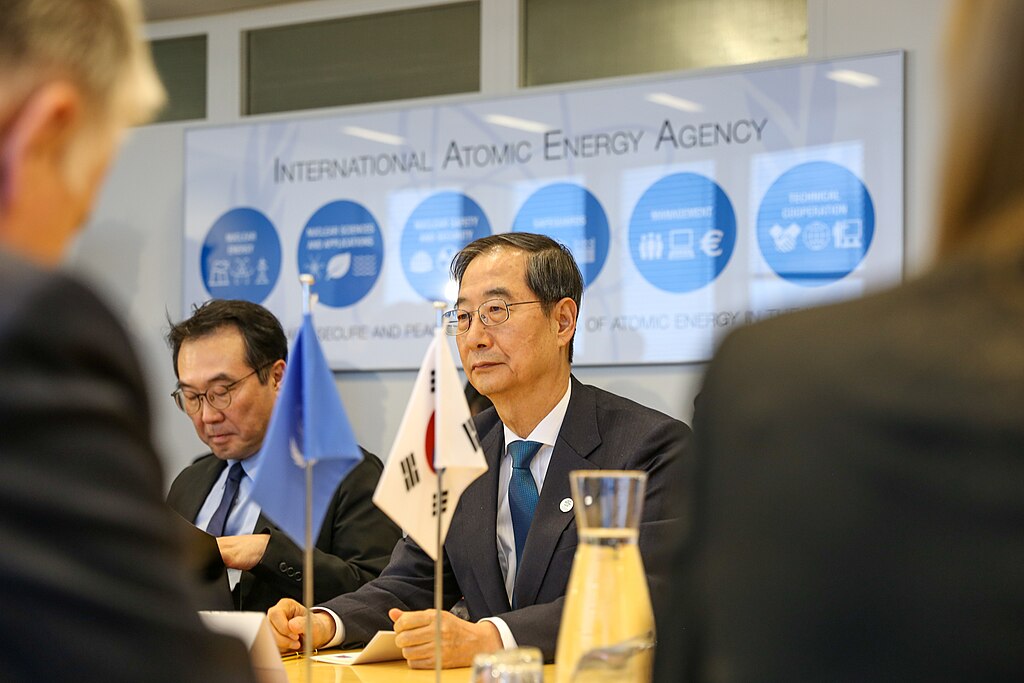
South Korea’s acting President Han Duck-soo has ordered emergency support measures for industries affected by sweeping new U.S. tariffs, including a 25% tariff on Korean automobile exports. The move follows President Donald Trump’s announcement of global reciprocal tariffs, which have intensified fears of a global trade war.
Han instructed the industry minister to thoroughly analyze the U.S. tariffs and initiate negotiations with Washington to minimize their impact on South Korea’s export-driven economy. He stressed the need for a coordinated response, saying, “The government must mobilize all its capabilities to overcome this trade crisis.”
Trump directly targeted key Asian allies, South Korea and Japan, accusing them of unfair trade practices. He also imposed a 46% tariff on imports from Vietnam, a country where major South Korean companies like Samsung Electronics and LG Electronics operate key manufacturing facilities. These additional tariffs could severely disrupt supply chains and Korean exports routed through Vietnam.
Economists in Seoul warned of significant economic fallout. “Major export products such as automobiles will be hit hard,” said Park Sang-hyun of iM Securities. He added that the measures would also impact Korean firms relying on production in Vietnam.
The announcement triggered a sharp decline in South Korean markets. The KOSPI index fell as much as 2.7%, reaching a three-month low. Shares of automakers plunged to 14-month lows, while semiconductor and battery stocks also slumped, with LG Energy Solution hitting a record low.
Finance Minister Choi Sang-mok pledged to use all available tools to stabilize markets if volatility escalates. Later today, Han is set to meet with private sector leaders to coordinate responses. Seoul had previously sought tariff exemptions under its free trade agreement with the U.S., but to no avail.







