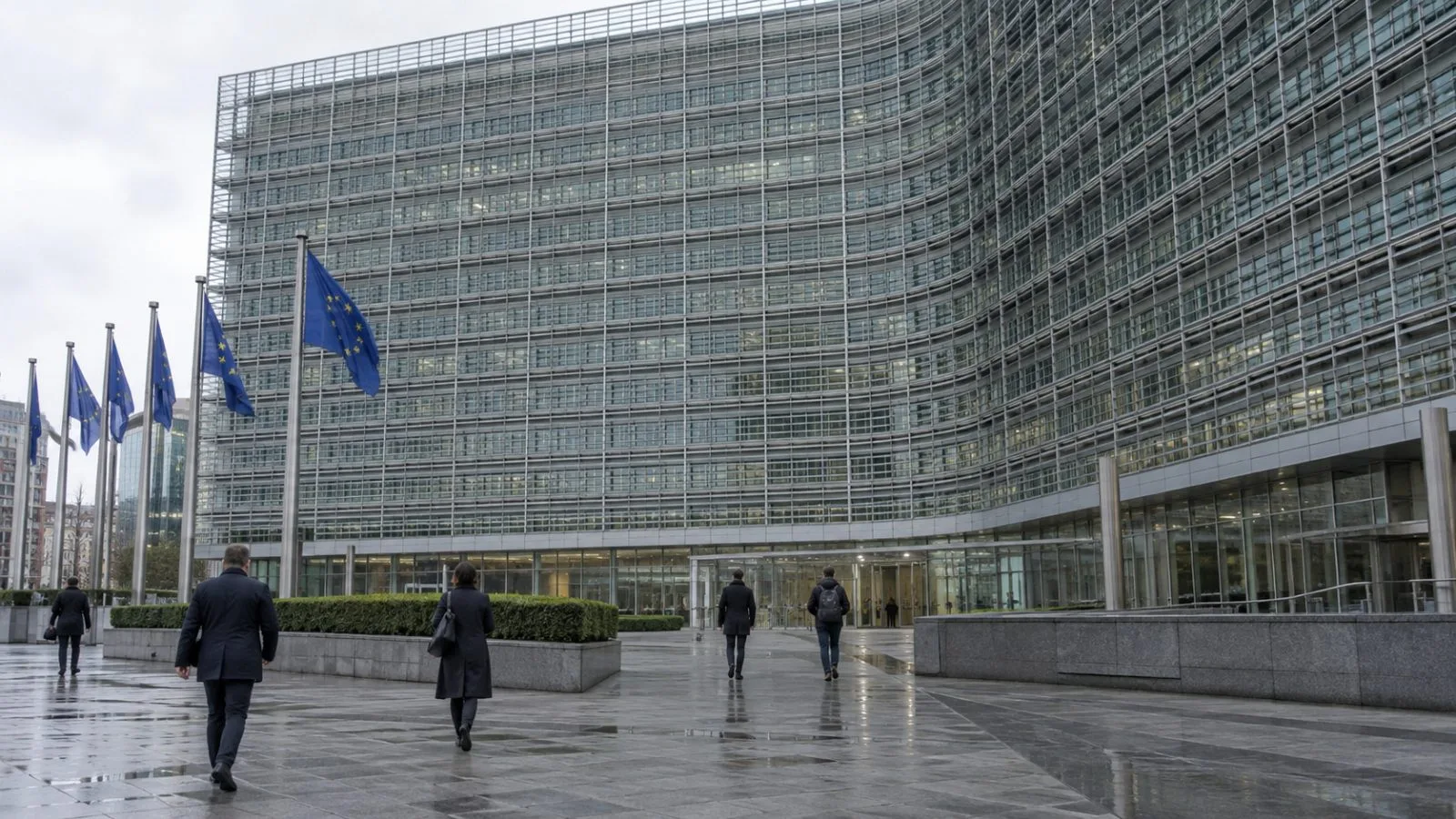
The European Union is in trade talks with the United States to ease trade tensions and has concluded a "zero-for-zero" tariff agreement on industrial products. The proposal is for reciprocal removal of tariffs, but the EU is also taking preparatory steps, such as tariffs on up to $28 billion in imports of U.S. goods, as retaliation against U.S. tariffs on steel and aluminum. These counter-measures are planned to be authorized in phases, the first being mid-April and a second, larger package at the end of the month.
President Donald Trump upped the U.S.-China trade war by issuing a threat to impose a 50% tariff on Chinese imports unless China retreats its retaliatory measure. This follows after China imposed a 34% tariff on United States imports as a retaliatory measure against former U.S. tariffs. Trump's threat has been termed "blackmail" by China, and has shown it will put up with the trade war, highlighting the country has remained robust and resilient to sinking.
The ongoing trade tensions between the EU and the U.S. and China and the U.S. have introduced large market volatility and global market downturns. Trump remains firm in his tariff policy, viewing tariffs as a necessity to balance trade imbalances and promote the U.S. manufacturing industry amid economic effects and retaliatory actions by the EU and China.