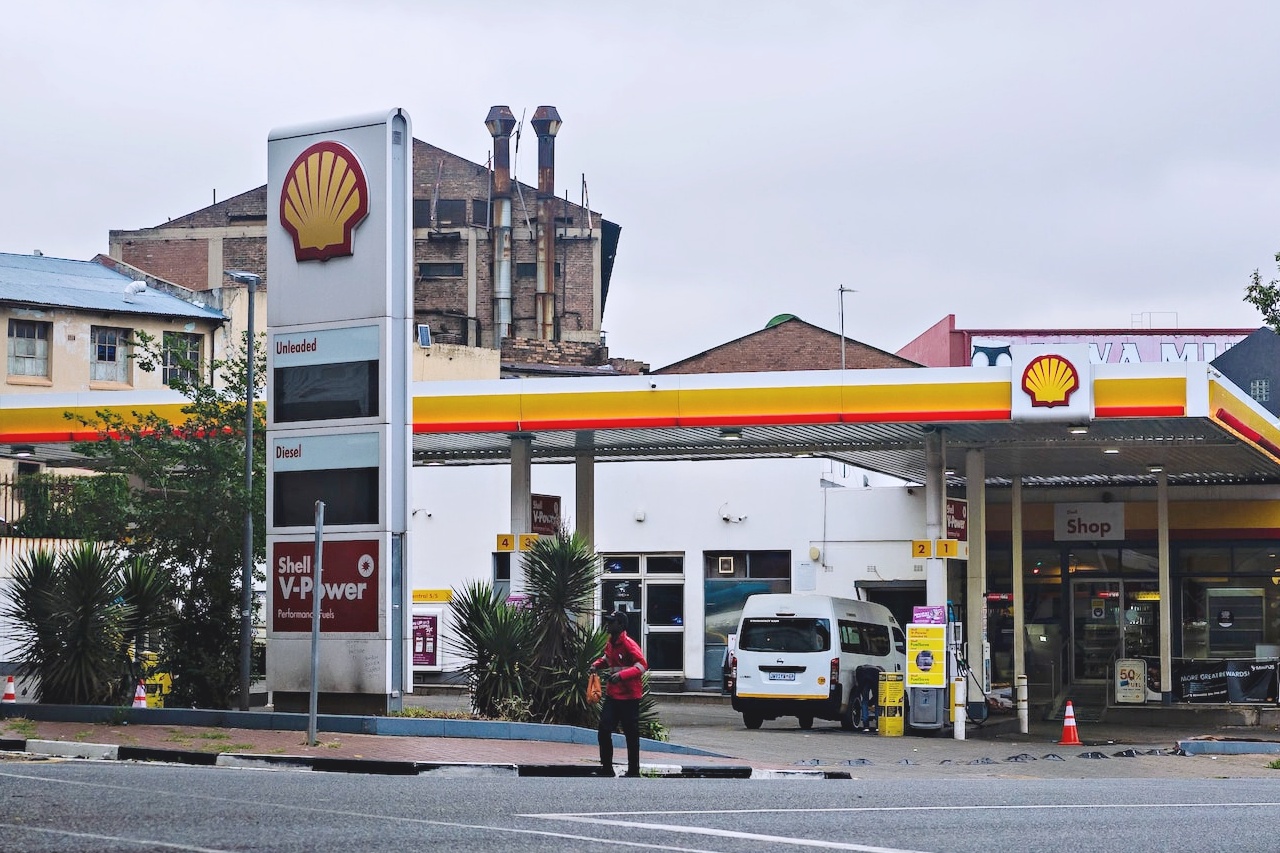
Shell plc, a London-headquartered oil and gas company, is ending its oil production in Nigeria after almost a century of operations. As it exits, it will sell its subsidiary to a consortium of five companies primarily based in the country.
According to Reuters, Shell is selling its Nigerian onshore oil and gas business for up to $2.4 billion. The British energy firm launched and developed the oil and gas business in West Africa in the 1930s. Still, the company has struggled to continue its operations in recent years. It has faced hundreds of oil spills due to theft, sabotage, and other operational issues, often leading to costly restoration works and high-profile lawsuits.
Shell Plans to Maintain Presence in Nigeria
It was reported that the oil giant’s decision to sell its business in the region was not made quickly, as it has sought to dispose of it since 2021. Then again, while the sale is already confirmed, Shell said it plans to remain in Nigeria and keep its presence there.
However, it will shift its focus to newer, more profitable businesses. Shell will take on profit-making ventures in the offshore industry and choose the less problematic ones, such as the Deepwater and Integrated Gas operations.
Sale of the Business
The company is selling its Shell Petroleum Development Company of Nigeria Limited (SPDC) for $1.3 billion, and buyers are expected to make an additional payment of up to $1.1 billion contingent on prior receivables upon completion of the deal. The consortium acquiring Shell’s business is called Renaissance, and the companies involved are ND Western, Waltersmith and Petrolin, Aradel Energy, and First E&P.
Bloomberg reported that once the government approves the sale, the deal will serve as the fulfillment of Shell’s long-term goal of removing itself from the taxing operating conditions in the Niger Delta. Moreover, its exit is part of a broader retreat of Western energy companies from Nigeria, like ExxonMobil.
“This agreement marks an important milestone for Shell in Nigeria, aligning with our previously announced intent to exit onshore oil production in the Niger Delta,” Shell’s integrated gas and upstream director, Zoë Yujnovich, said in a press release. “Simplifying our portfolio and focusing future disciplined investment in Nigeria on our Deepwater and Integrated Gas positions.”
She added, “It is a significant moment for SPDC, whose people have built it into a high-quality business over many years and now, after decades as a pioneer in Nigeria’s energy sector, SPDC will move to its next chapter under the ownership of an experienced, ambitious Nigerian-led consortium.”
Photo by: Eyasu Etsub/Unsplash