


 SEC Probes Banks Over Situational Awareness Hedge Fund Collapse
  DOJ Will Investigate AI-Related Crimes, Attorney General Blanche Says
  US Judge Dismisses Imran Ahmed Deportation Lawsuit
  Trump Grants Clemency to Jay-Z Associate Emory Jones
  Trump Administration Removes Confederate Memorial Criticism From Arlington Website
  Philippines Holds Historic Bangsamoro Election Amid Tight Security
  Mahmoud Khalil Sues Columbia Over Alleged Pro-Palestinian Harassment
  FDA Weighs Safety Standards for Psychedelic Therapies
  US Immigration Arrests Surge as Deportations Lag Behind
  Lula, Flavio Bolsonaro Deadlocked in Brazil Election Polls
  Nvidia-Groq AI Chip Deal Faces U.S. Antitrust Probe
  Houthis Escalate Saudi Attacks as Red Sea Oil Risks Grow
  Texas Republicans Turn Against AI Data Centers as Election Backlash Grows
  Synthetic data could ease people’s concerns about privacy breaches. But who gets to create it?
  Who should own the knowledge that underpins AI technology?
  New Zealand Labour Backs Social Media Ban for Under-16s


 Add as a preferred source on Google
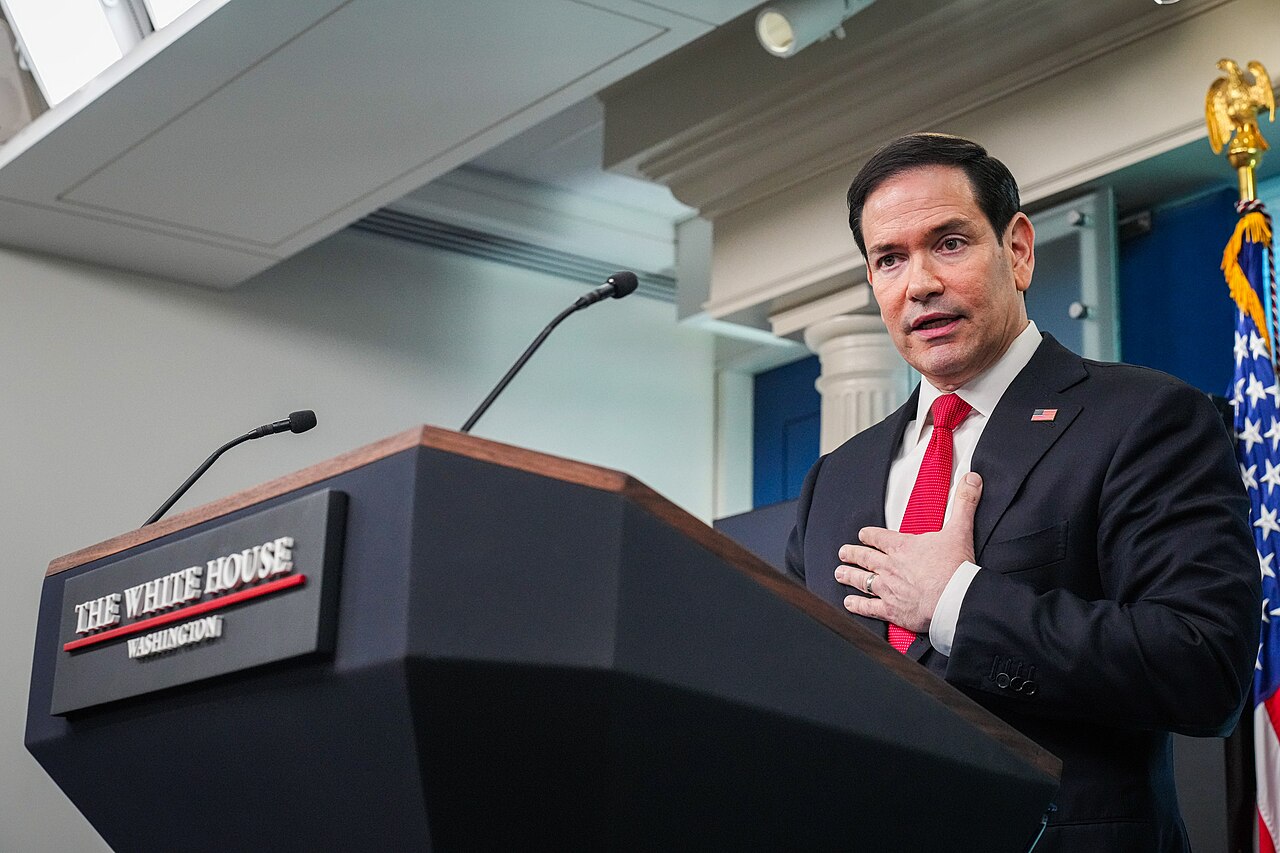
The United States has announced a new visa restriction policy targeting certain foreign nationals from South Africa, marking another deterioration in relations between Washington and Pretoria.
U.S. Secretary of State Marco Rubio said Tuesday that the restrictions would apply to foreign nationals deemed responsible for or involved in implementing policies that Washington says permit uncompensated land seizures, racial discrimination or incitement of imminent violence against ethnic or racial minorities.
“The South African government has not adequately addressed the previously laid out concerns,” Rubio said. His statement did not identify any individuals subject to the restrictions.
The move comes as President Donald Trump’s administration intensifies pressure on South Africa over land reform, racial policies and Pretoria’s foreign policy. Washington has also criticized South Africa for bringing a genocide case against Israel at the International Court of Justice over Israel’s military campaign in Gaza.
Trump has previously cut U.S. assistance to South Africa and offered refugee pathways to some Afrikaners. His administration has also taken other steps affecting U.S. visa operations and screening across Africa in 2026.
South Africa rejects allegations that its policies amount to persecution of white citizens. President Cyril Ramaphosa and his government maintain that there is no evidence of systematic persecution and argue that land and economic reforms are intended to address inequalities inherited from decades of apartheid.
Trump has repeatedly alleged that white South Africans face severe discrimination and has previously made claims of a “white genocide.” Pretoria disputes that characterization. South Africa has one of the world’s highest murder rates, with Black South Africans accounting for most homicide victims.
The South African Embassy in Washington did not immediately respond to a request for comment on the latest U.S. visa restrictions.
The policy adds another point of friction to already strained U.S.-South Africa relations, spanning land reform, racial inequality policies, diplomatic disagreements over Israel and broader questions about Pretoria’s foreign policy.







