
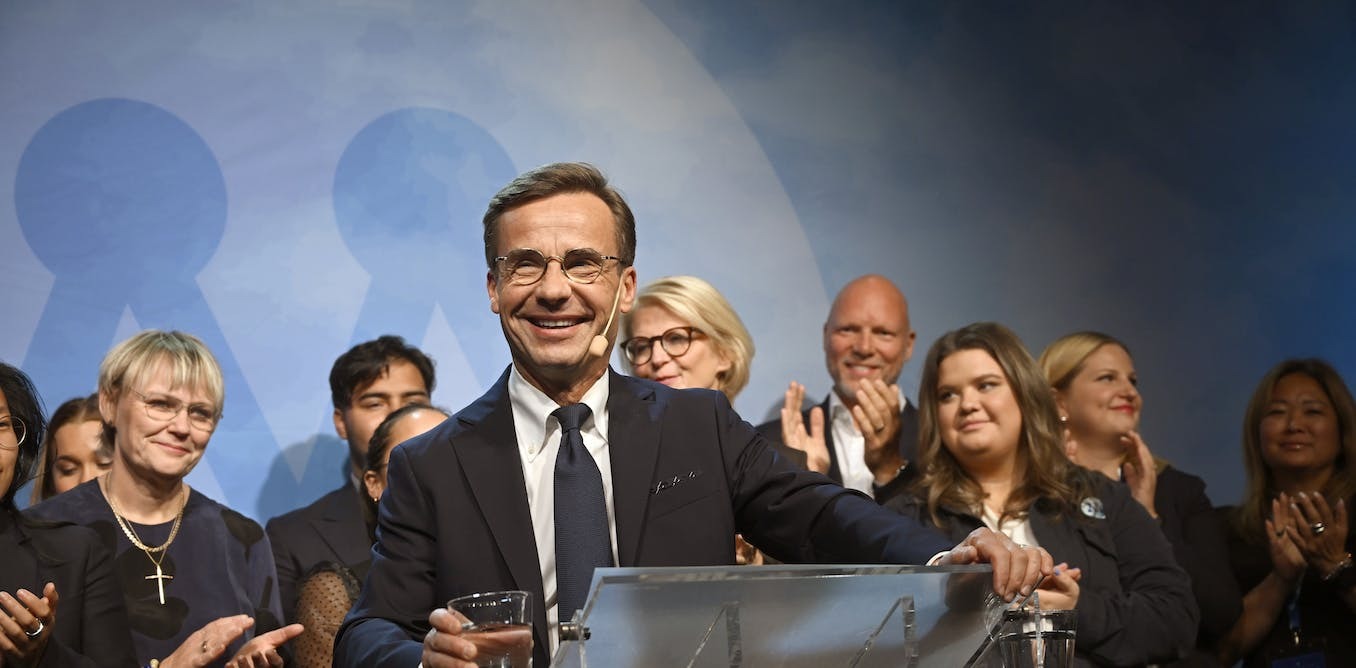
Sweden’s centre-left opposition held a slim lead over the right-wing government early Monday as vote counting continued in a closely contested national election that could reshape the country’s immigration and domestic policies.
With results reported from 6,195 of Sweden’s 6,312 electoral districts, the left-leaning bloc led by Social Democratic leader Magdalena Andersson was projected to secure 176 seats in the 349-member Riksdag. Prime Minister Ulf Kristersson’s governing right-wing alliance was projected to win 173 seats.
The final Sweden election result may not be confirmed until Wednesday or later because overseas ballots still need to be counted.
While the outcome is unlikely to significantly alter Sweden’s pro-Western and pro-Ukraine foreign policy, it could determine whether Kristersson’s tougher approach to immigration continues. His government has abolished permanent residency for refugees, tightened welfare requirements and increased expulsions of people without legal permission to remain.
Kristersson also broke with previous political convention by saying he was prepared to bring the Sweden Democrats into government. The far-right party, which has roots in extremist movements of the 1980s, says it has expelled extremists and apologized for its history.
Supporters of the government argue that tougher migration and security policies have helped reduce immigration and gang violence. Critics, however, contend that measures pressuring migrants to adopt Swedish cultural norms or leave the country threaten civil liberties.
Kristersson said after voting ended that he would continue exploring options for forming a viable government, even if the preliminary results remained unchanged.
Andersson also faces coalition challenges. Her potential partners disagree on migration, billionaire taxation, nuclear power and economic policy, potentially complicating efforts to pass budgets even if the centre-left wins a parliamentary majority.
Meanwhile, the Sweden Democrats appeared headed for their first decline in both vote share and parliamentary seats during Jimmie Akesson’s more than two decades as leader. The result could temper momentum for Europe’s broader far-right movement, which has recently gained ground in several countries.
With only three seats separating the rival blocs, Sweden now faces several days of uncertainty before its next government becomes clear.


