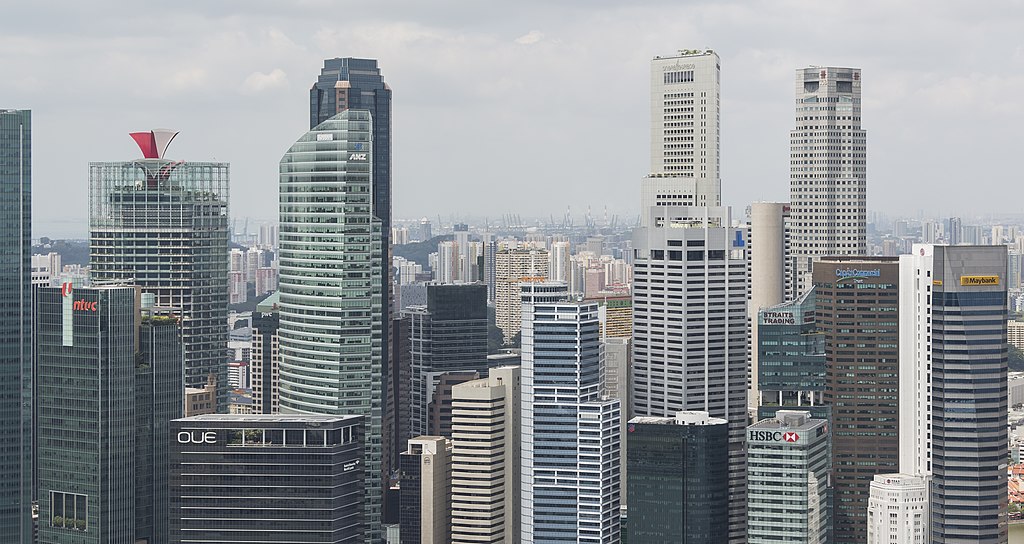
Singapore is expected to unveil a fiscally conservative Budget 2026 next week, with the government aiming to strike a careful balance between sustaining economic growth and reinforcing long-term fiscal discipline. Economists from major banks including Bank of America, DBS and Maybank forecast an overall fiscal surplus ranging from 0.3% to 1% of GDP, reflecting confidence in the country’s economic outlook after a year of elevated household support.
Analysts widely expect the Ministry of Finance to adopt a cautious fiscal stance following the strong recovery seen in 2025. Bank of America economists noted that demand in the economy is likely to outpace supply in the coming quarters, reducing the need for aggressive stimulus. This approach marks a shift from Budget 2025, which featured more generous household-focused measures amid earlier concerns about growth momentum. BMI analysts similarly anticipate a scaling back of cash transfers to households in 2026 after last year’s elevated support.
Singapore’s constitutional requirement to balance its budget over each parliamentary term, which began after the 2025 general election, is also shaping expectations. Economists believe fiscal prudence will be prioritised early in the term to preserve policy space should economic conditions worsen later. The upcoming budget and updated economic forecasts are expected to shed light on how global trade tensions, tariffs and supply chain disruptions are affecting Singapore’s trade-reliant economy.
The budget will be announced on February 12 by Prime Minister and Finance Minister Lawrence Wong. Singapore’s economy grew by a faster-than-expected 4.8% in 2025, though officials have cautioned that maintaining this pace will be challenging. The Trade Ministry has projected growth of 1.0% to 3.0% in 2026, while the Monetary Authority of Singapore recently raised its inflation forecast to between 1.0% and 2.0%.
Looking ahead, economists expect Budget 2026 to place greater emphasis on innovation, productivity and long-term competitiveness. With land and labour constraints intensifying and the workforce ageing, analysts from DBS and Maybank anticipate increased investment in technology, artificial intelligence and research and development. The government has already committed more than S$1 billion to public AI research through 2030 and signalled stronger support for emerging technologies such as quantum computing and decarbonisation. Incentives to encourage hiring may also feature, as youth unemployment and the citizen jobless rate have edged higher.
Corporate tax collections and foreign investment trends will also be closely watched, particularly as global tech giants continue to expand their presence in Singapore, reinforcing its role as a regional innovation and finance hub.