


 Samsung, SK Hynix Shares Fall as China's CXMT Advances DRAM Technology
  Samsung Q3 Profit Hits Record High on AI Memory Demand
  Apple Supplier Luxshare Sees Limited Impact From US Patent Probe
  Apple Supplier Luxshare Faces US Patent Probe, Sees Limited Impact
  Moonshot AI Executives Seek Settlement Ahead of Hong Kong IPO
  Apple Names Steve Smith M&A Chief in Leadership Shakeup
  Airbus Tests Valkyrie Combat Drone in Europe for Eurofighter Integration
  Russia Approves Sberbank for Crypto Exchange Services
  Amazon in Talks to Acquire AI Startup Decart for $7 Billion
  TSMC Profit Set to Surge 65% as AI Chip Demand Drives Record Earnings
  OpenAI Annualized Revenue Hits $50 Billion, Below Earlier Estimates
  Jameson Lopp Downplays AI Threat to Bitcoin Cryptography
  Meta Launches Muse Wonder AI Models, Shares Rise 3.7%
  Coinbase CEO Backs SEC Accredited Investor Reform
  Robinhood Chain Eyes Priority Gas Auctions for Faster Trades


 Add as a preferred source on Google
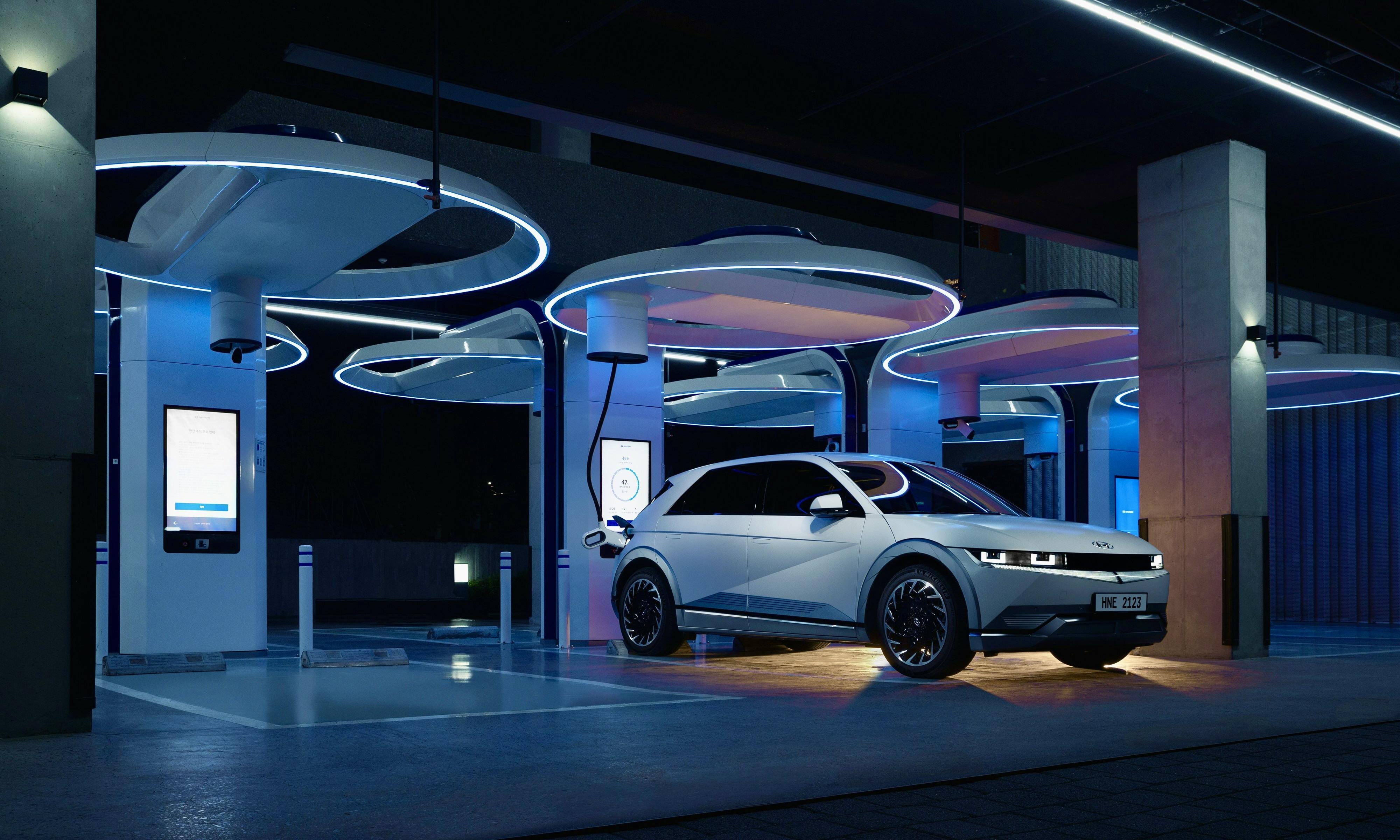
South Korea has positively received the U.S. extension of tax credits for electric vehicles (EVs) incorporating Chinese graphite. This critical decision supports Seoul’s strategy to dominate the American EV market.
This move comes as part of the broader Inflation Reduction Act, focusing on maintaining a competitive supply chain amidst global supply constraints.
South Korea Responds to US EV Tax Credit Extension
According to Reuters, South Korea welcomed Wednesday the U.S. decision to extend until 2026 the eligibility of manufacturers for EV tax credits for vehicles containing Chinese graphite.
South Korea's Industry Ministry has strategically responded to the U.S. decision, emphasizing securing essential battery materials. This move aims to ensure domestic automakers and battery producers can maintain their competitiveness in the American market, which aligns with the Inflation Reduction Act's standards.
Challenges of Diversifying Graphite Supply Chain
"In the case of graphite, it was difficult to diversify the supply chain in a short period of time, making it difficult to receive U.S. EV tax credits for batteries ... we have been actively consulting with the U.S. government, and our request (of extension of graphite use) was reflected in the final rules," according to a statement from the industry ministry.
With the new rules, people who buy EVs that use Chinese graphite can now get tax credits of up to $7,500 until 2026.
The ministry has underscored its commitment to the nation's EV industry by announcing significant financial assistance of 9.7 trillion won ($7.11 billion). This financial aid aims to bolster the industry's efforts to ensure an independent and competitive supply chain, demonstrating South Korea's determination to maintain its position in the global EV market.
According to the U.S. Treasury Department, automakers have until 2027 to reduce their use of hard-to-find minerals, such as graphite, found in anode materials, and critical minerals found in electrolyte salts, binders, and additives.
Future Plans for South Korea's EV Market
The Industry Ministry stated that it will assist businesses in fulfilling obligations, such as submitting plans to the United States detailing how they will diversify their graphite supply starting in 2027 and doing "accurate calculations" to determine the prices of battery minerals to qualify for tax credits.
As per The Korea Herald, China is the third-largest natural graphite producer in the world, with further supplies being imported for processing from Mozambique and Madagascar.
Despite the significant environmental impact associated with its extraction and processing, it controls over 99% of the global production of spherical graphite, also known as battery-grade graphite, due to its advanced refining capabilities and lower-cost production.
Due to this circumstance, other nations have been dissuaded from entering the market despite the United States' efforts to encourage supply chain diversification.
Photo: Hyundai Motor Group/Unsplash







