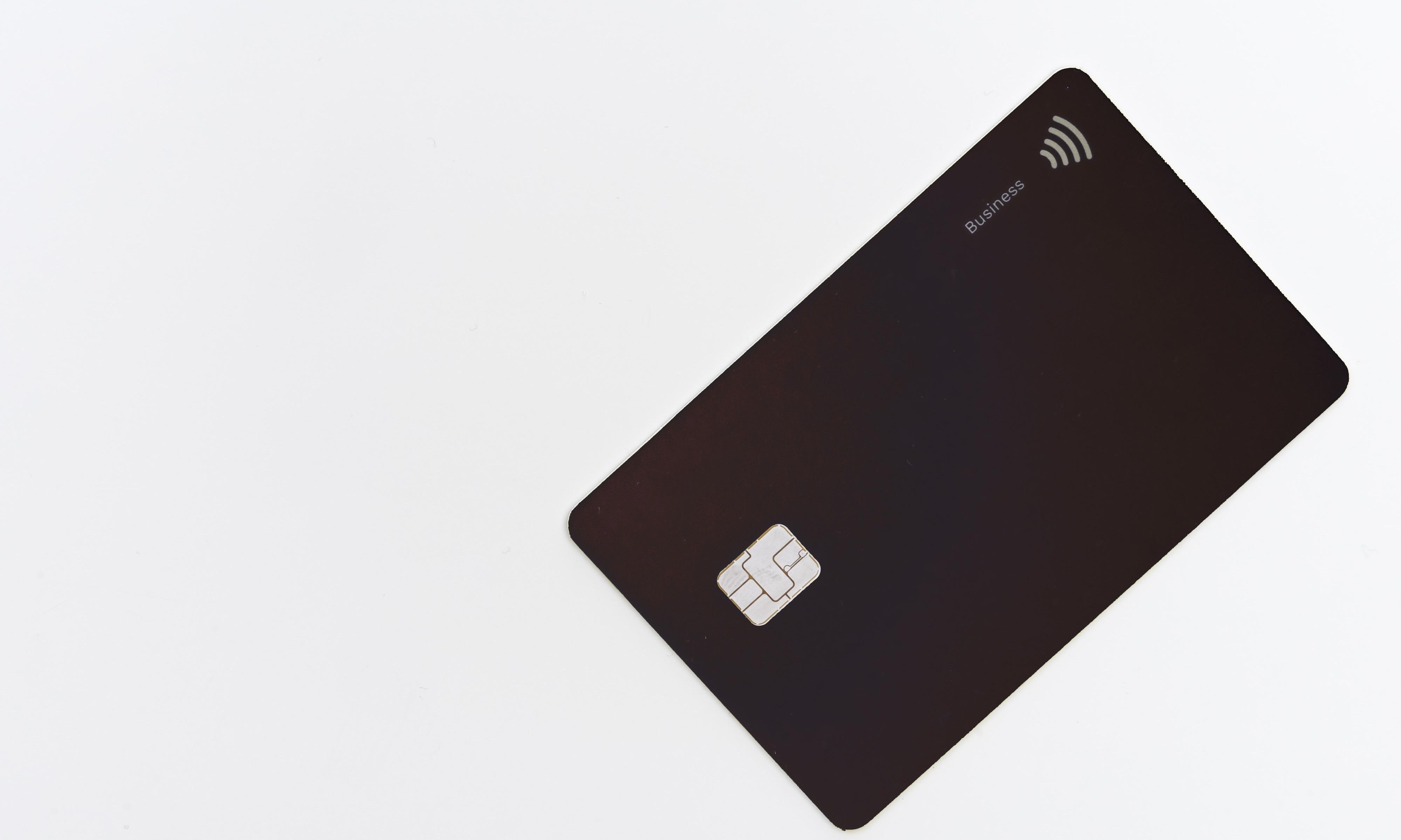
South Korea's top financial regulator, the Financial Services Commission (FSC), has proposed to amend the country's credit finance laws. The aim is to prohibit local citizens from using credit cards to purchase cryptocurrency.
The FSC, Cointelegraph reported, has expressed concerns over potential illegal outflows and money laundering associated with South Korean citizens buying cryptocurrency from foreign exchanges.
Addressing Concerns and Risks
The FSC highlighted several concerns that have prompted this proposal. These include the potential for illegal outflows of domestic funds overseas through card payments on overseas virtual asset exchanges. There are also worries regarding money laundering, speculation, and the encouragement of speculative activities within the cryptocurrency market.
Currently, local cryptocurrency exchanges in South Korea allow transactions between virtual assets through deposit and withdrawal accounts, requiring user identity verification. However, these regulations do not extend to foreign crypto exchanges, creating a loophole.
By prohibiting the use of credit cards for cryptocurrency purchases, South Korea aims to enhance the oversight and regulation of virtual asset transactions. This move is crucial to combating illegal outflows, preventing money laundering, and curbing speculative activities in the cryptocurrency market.
Seeking Public Input and Implementation Timeline
According to Yonhap News Agency, the FSC invites public input on the proposed ban until February 13. Following this, the proposal will undergo a review and resolution process. If approved, the new regulations are expected to be implemented in the first half of 2024. Additionally, the enforcement ordinance is set to be revised to include virtual assets in the list of prohibited card transactions.
Concerns over the outflow of domestic funds overseas due to card payments have prompted the FSC to include virtual assets under the ban on card transactions. This will facilitate cooperation with international brands such as Visa and Mastercard, ensuring a more robust regulatory framework for managing virtual assets.
Impact on Domestic and Foreign Exchanges
South Korean domestic virtual asset exchanges are already subject to the Act on Reporting and Use of Specific Financial Transaction Information. These exchanges facilitate transactions only through deposit and withdrawal accounts with verified real names. However, overseas virtual asset exchanges operate outside these regulations, posing a risk to domestic funds.
Photo: Markus Winkler/Unsplash