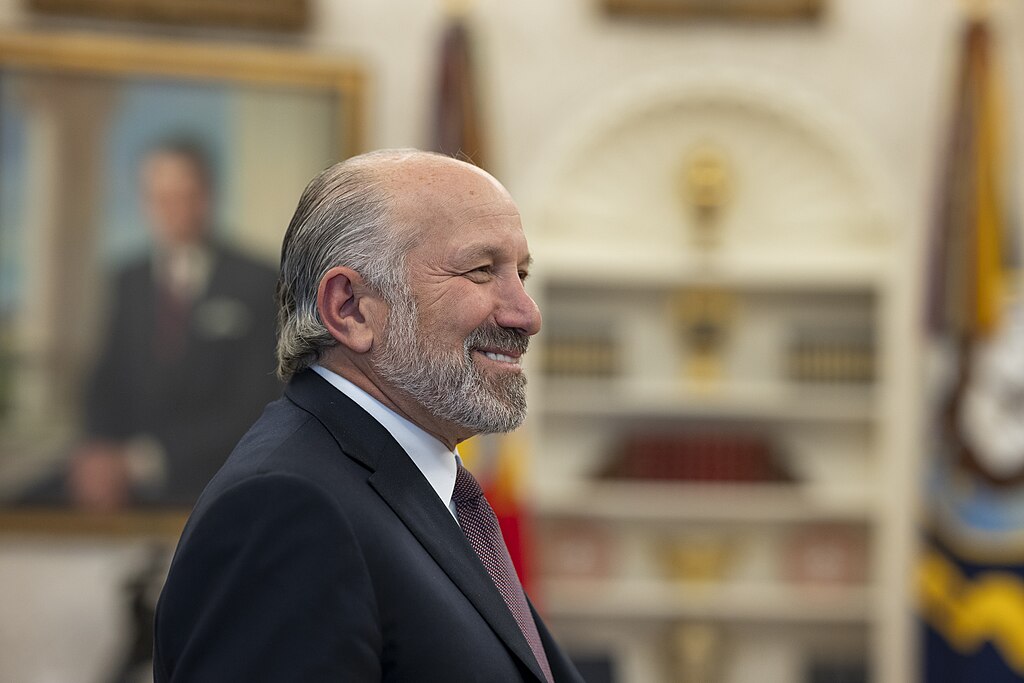
South Korea is closely reviewing the new U.S.-Japan trade deal as it prepares for high-stakes negotiations with Washington, aiming to avoid falling behind key rivals in areas like autos, steel, and semiconductors. Industry Minister Kim Jung-kwan emphasized Seoul’s intent to upgrade Korea-U.S. cooperation in energy and industry during upcoming meetings with U.S. Commerce Secretary Howard Lutnick and Energy Secretary Chris Wright.
The Japan-U.S. pact, which imposes a 15% tariff on Japanese imports—lower than the initially proposed 25%—includes $550 billion in Japanese investments in the U.S. and wider access to American agricultural and industrial goods. This move has triggered market optimism, pushing Hyundai Motor and Kia shares up by over 7% each, and lifted the KOSPI index by 0.2%.
Analysts say the deal pressures Seoul to secure similar or better terms. President Lee Jae Myung has publicly committed to ensuring South Korea avoids a comparative trade disadvantage. However, achieving parity may require Seoul to expand agricultural and energy imports, as Japan did. Still, rice and beef remain off the negotiation table, with Seoul instead exploring increased imports of bioethanol crops like corn.
The U.S. reportedly asked South Korea to consider a large-scale investment fund to support its manufacturing base. While Seoul has shown interest in collaborating on LNG, shipbuilding, and semiconductors, its trade envoy has expressed caution over the feasibility of a $44 billion Alaska LNG pipeline project.
With an August 1 tariff deadline looming, the outcome of these trade talks could significantly impact South Korea’s global competitiveness. The government has pledged a thorough and strategic approach to secure favorable terms without sacrificing sensitive sectors.