


 Tencent Shares Fall as $5 Billion AI Bond Sale Weighed
  Arthur Hayes Announces FLOP Testnet Launch Within Weeks
  Syndax Stock Drops 15% After Axatilimab Trial Failure
  Albertsons Seeks $9.3 Billion From Kroger Over Failed Merger
  Orsted to Take Full Ownership of UK Offshore Wind Farm for £15 Million
  INWIT Shareholders Explore $7.1 Billion Take-Private Deal
  TSMC Profit Set to Surge 65% as AI Chip Demand Drives Record Earnings
  Robinhood Chain Eyes Priority Gas Auctions for Faster Trades
  European Auto Stocks Rise as EU-China Trade Deal Targets Hybrid Imports
  Apple Supplier Luxshare Faces US Patent Probe, Sees Limited Impact
  Morgan Stanley Predicts $10 Trillion RWA Market by 2030
  Yandex Data Center Hit by Drone Strike as Russia-Ukraine Cyber Infrastructure Attacks Escalate
  Apple Names Steve Smith M&A Chief in Leadership Shakeup
  US Suspends Microsoft, Adobe From Green Card Program
  Uber Exits Four African Markets Amid Rising Competition
  Moonshot AI Executives Seek Settlement Ahead of Hong Kong IPO
  Meta Launches Muse Wonder AI Models, Shares Rise 3.7%


 Add as a preferred source on Google
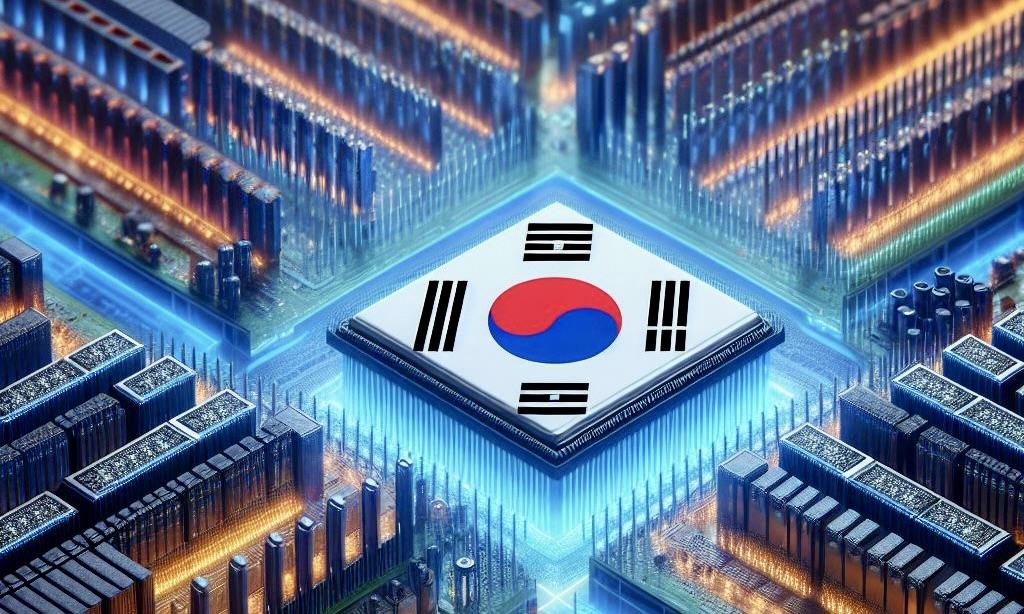
South Korea's government, under Finance Minister Choi Sang-mok, announced a robust $7 billion support package aimed at propelling the country to the forefront of the global semiconductor industry.
Detailing the $7 Billion Support Package for Chip Industry
According to Reuters, South Korea's finance minister said on Sunday that the country is preparing a support package for chip investments and research worth more than 10 trillion won ($7.30 billion) after deciding to win a "war" in the semiconductor business.
Finance Minister Choi Sang-mok stated that the government would soon provide specifics of the package, which targets chip materials, equipment manufacturers, and fabless companies across the semiconductor supply chain.
According to a statement from the finance ministry, Choi told executives from local chip equipment companies at a conference that the program may involve policy loans and the establishment of a new fund backed by state and private financial institutions.
South Korea's Strategic Development of Yongin Mega Chip Cluster
South Korea is also developing a mega chip cluster in Yongin, south of Seoul, which it claims is the world's largest high-tech facility. With promises of investment tax breaks, President Yoon Suk Yeol has pledged to use all available means to win the "war" in chips.
According to the Semiconductor Industry Association (via Sammy Fans), the industry predicts a significant global semiconductor manufacturing landscape shift. By 2032, South Korea's semiconductor manufacturing is expected to outpace Taiwan's, positioning the country as the second-largest manufacturer globally.
Global Market Forecast: South Korea's Chip Industry by 2032
By 2032, South Korea's semiconductor output is expected to rise by 129%, according to the analysis. This is the second-highest growth rate behind the US (203%), while it is anticipated that China (86%), Japan (86%), Taiwan (97%), and Europe (124%), will all lag behind South Korea.
In 2032, South Korea's semiconductor output is anticipated to represent 19% of the worldwide semiconductor market. This is after China, which had 21%, but ahead of Taiwan, which had 17%, and the US, which had 14%. It increased by 2% from its 2022 share of 17%.
Photo: Microsoft Bing







