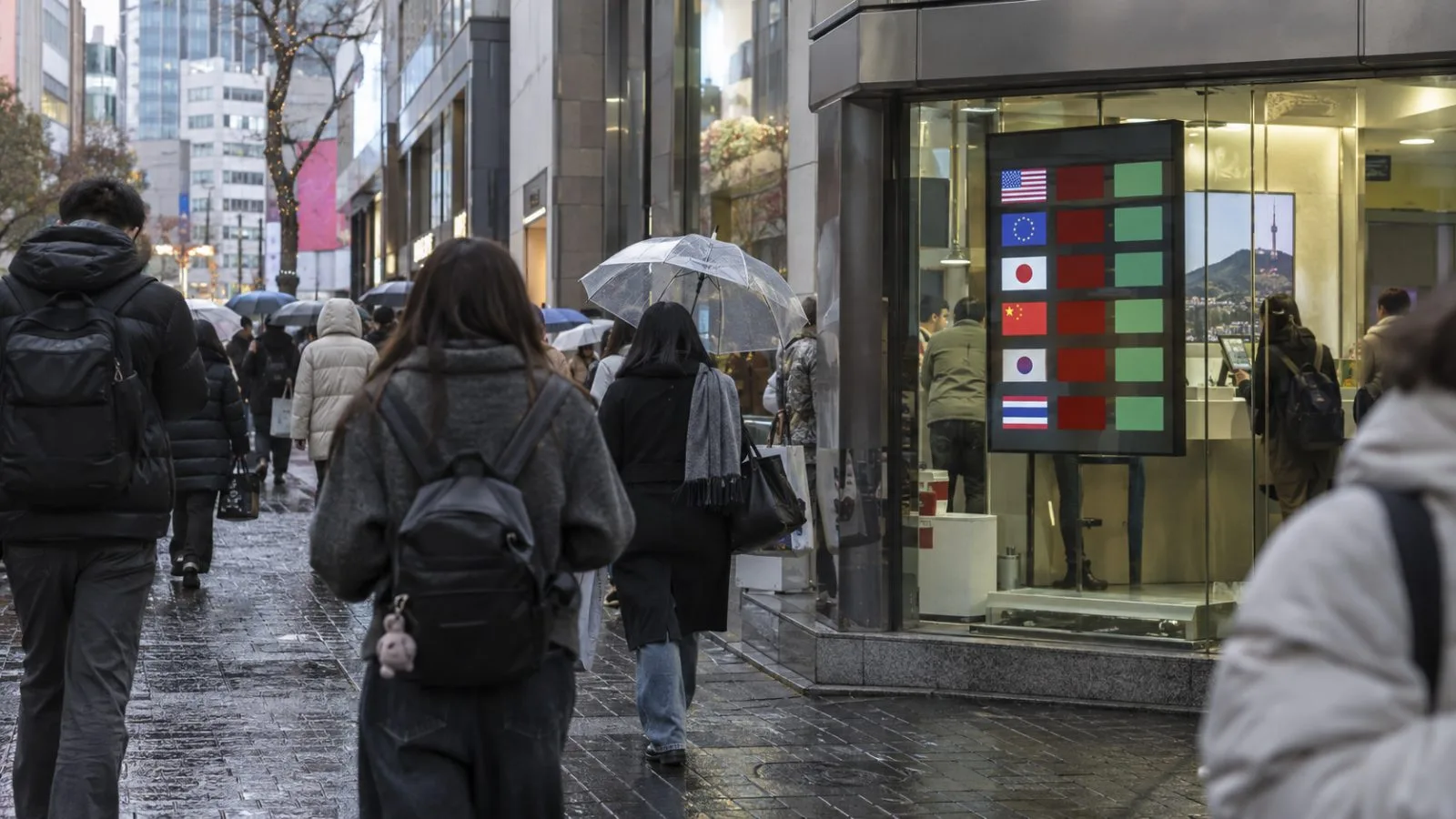
South Korea has announced plans to open its currency market to 24-hour trading starting in July, marking a major step toward liberalising the won and strengthening its bid for developed-market status. The move, unveiled by the Ministry of Economy and Finance, aims to remove long-standing barriers to onshore trading and improve accessibility for global investors.
Since the Asian Financial Crisis of the late 1990s, South Korea has maintained tight controls on currency trading to prevent capital flight. However, these restrictions have been repeatedly cited by Morgan Stanley Capital International (MSCI) as a key obstacle to upgrading the country from emerging-market to developed-market status. By allowing round-the-clock trading, authorities hope to align the won market with global standards and increase liquidity.
Vice Finance Minister Lee Hyoung-il said the government will prepare a comprehensive roadmap in the first half of the year to internationalise the won, including measures to expand offshore won financing and simplify market participation. Additional reforms include easing reporting requirements, introducing a new offshore trading system, and promoting cross-border payment settlements and overseas financing.
The announcement builds on earlier reforms introduced two years ago, when trading hours were extended to allow foreign investors to trade the won from abroad. Previously, the dollar-won market operated for just six and a half hours per day and relied on limited domestic interbank networks.
Market reforms have been a cornerstone of President Lee Jae Myung’s economic agenda since taking office in June 2025. Supported by regulatory changes, tax incentives, and improved short-selling rules, South Korea’s KOSPI index surged 76% last year, making it the world’s best-performing benchmark. The won, which had weakened to its lowest level since 2009, rebounded late last year following market-stabilisation measures.
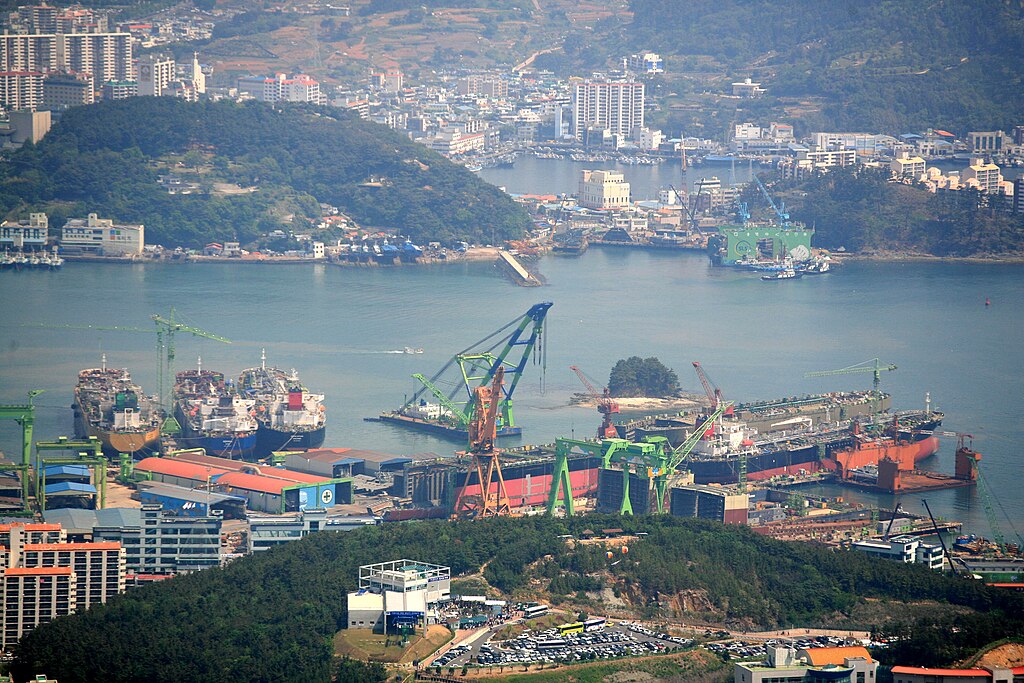
Looking ahead, the ministry forecast economic growth of 2.0% in 2026, supported by stronger domestic demand and export growth driven by semiconductor demand for artificial intelligence investment. The government also plans further support for AI, shipbuilding, nuclear energy, and advanced manufacturing, reinforcing South Korea’s ambition to enhance competitiveness and attract global capital.