


 Moonshot AI Executives Seek Settlement Ahead of Hong Kong IPO
  OpenAI Revenue Hits $50 Billion, Below Earlier $70 Billion Estimate
  TSMC Q3 Revenue Beats Estimates as AI Chip Demand Surges
  Arthur Hayes Announces FLOP Testnet Launch Within Weeks
  Yandex Data Center Hit by Drone Strike as Russia-Ukraine Cyber Infrastructure Attacks Escalate
  Robinhood Chain Eyes Priority Gas Auctions for Faster Trades
  Apple Supplier Luxshare Faces US Patent Probe, Sees Limited Impact
  Meta Launches Muse Wonder AI Models, Shares Rise 3.7%
  Broadcom, Oracle and SpaceX Seek Billions in Private Debt for AI Expansion
  Zcash Plans Quantum-Resistant Security Upgrade for January
  Elon Musk Eyes Semiconductor Manufacturing Expansion With $15 Billion Terrafab Project
  Trump Buys Up to $25M in Meta Stock, Invests in SpaceX Debt
  US Suspends Microsoft, Adobe From Green Card Program
  Jameson Lopp Downplays AI Threat to Bitcoin Cryptography
  Epic Games Delays Disney Shooter, Shifts to AI-First Development
  Samsung, SK Hynix Shares Fall as China's CXMT Advances DRAM Technology


 Add as a preferred source on Google
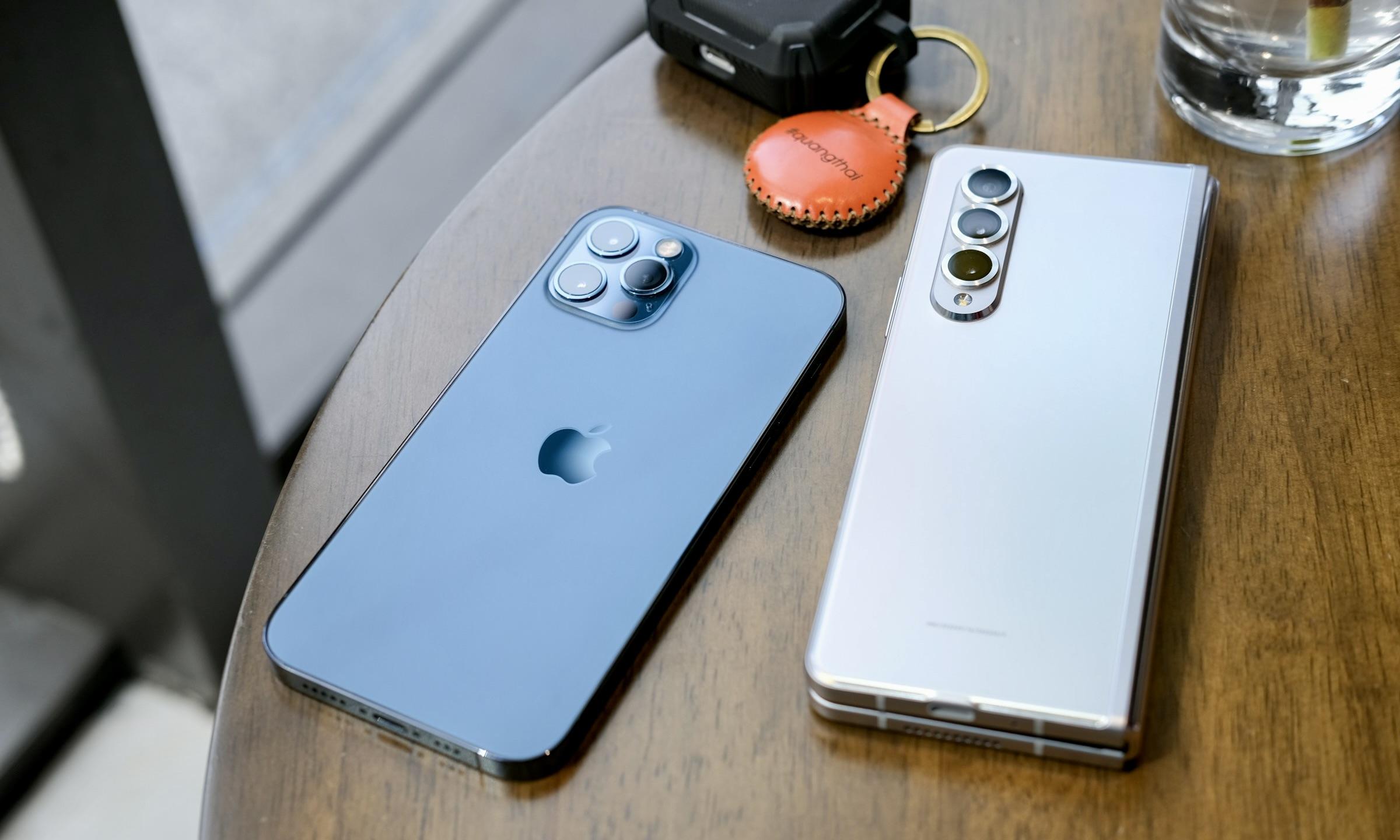
The South Korean military is considering banning iPhones from defense installations over concerns that their voice recording feature could compromise security, whereas Samsung phones are approved for use.
Potential iPhone Ban at Korean Military Sites Raises Security Alarm
According to The Korea Herald news, multiple military sources on Tuesday stated that the South Korean military is mulling a complete ban on iPhones in military buildings due to growing concerns about potential voice recordings leaking vital information. This decision was made after collaborative meetings among the Army, Navy, and Air Force headquarters.
A recently released document on the internal network of the Air Force headquarters allegedly states unequivocally that "Bringing in iPhones will be completely prohibited." Sources indicate that Android smartphones, particularly those manufactured by Samsung Electronics, will not be subject to this prohibition.
Presently, the Gyeryongdae Defense Center operates with an approximate staff of 10,000 individuals, of which roughly 6,000 are officers. However, the precise figures remain undisclosed to the public for security purposes.
Nearly 500,000 military personnel would be impacted if the prohibition was expanded to include all subordinate units. Data from the Korea Institute for Defense Analyses indicates 499,800 military personnel as of 2022, comprising 365,000 in the Army, 69,800 in the Navy, and 65,000 in the Air Force.
As per SamMobile, the prohibition on iPhones, while sparing Android-based smartphones such as Samsung's Galaxy series, is reportedly due to iPhones' failure to adhere entirely to the guidelines set forth by the National Defense Mobile Security.
This mobile device management application, overseen by military authorities, imposes restrictions upon activation, impeding various smartphone functionalities like the camera, Wi-Fi, tethering, USB functions, and the microphone.
Why Samsung Smartphones Escape the Korean Military Ban
Notably, Apple's policy disallows third-party apps from manipulating the fundamental features of iPhones, except for the camera.
In August 2013, the Ministry of National Defense unveiled the security app to reduce the possibility that confidential information would be stolen from its Seoul headquarters in Yongsan-gu. At first, this policy only applied to public servants and military commanders employed by the government.
The iPhone ban is considered a trial run, with a broader rollout anticipated in the coming months.
Photo: Thai Nguyen/Unsplash







