Researchers in South Korea modeled a process that could make sulfur hexafluoride (SF6) destruction a net revenue source by reusing desalination waste, linking industrial emissions control with brine disposal. The findings are projections from a process simulation, not results from an operating plant.
The model assumed a stream of 250 kilograms of SF6 an hour. Estimated destruction cost $13.95 per kilogram with single-stage scrubbing and $3.25 with multiple stages. The two configurations using brine-derived chemicals came in at negative $2.32 and negative $4.01 per kilogram, respectively.
Those negative estimates mean the modeled revenue from recovered products exceeded the estimated annual treatment costs, Jeonbuk National University said. The process could recover calcium fluoride, gypsum, sodium carbonate, magnesium hydroxide, hydrogen and chlorine. The study was led by Assistant Professor Sunghyun Cho at the university and appeared Aug. 2 in Journal of Cleaner Production.
The researchers also assessed energy use and emissions. In Case 4, a heat-exchange network lowered modeled heating demand by 56.15% and cooling demand by 63.74%. The paper reported a 99.8% reduction in global-warming potential for all four configurations compared with direct SF6 emissions. Case 4’s modeled emissions balance went below zero when renewable sources supplied 35% of its electricity.
The economic estimates remain dependent on assumptions: the paper says recovered-product revenue, electricity costs and taxes could change the results. Case 2 still relied on purchased neutralizers. The sources describe simulations and a life-cycle assessment, not a plant trial.
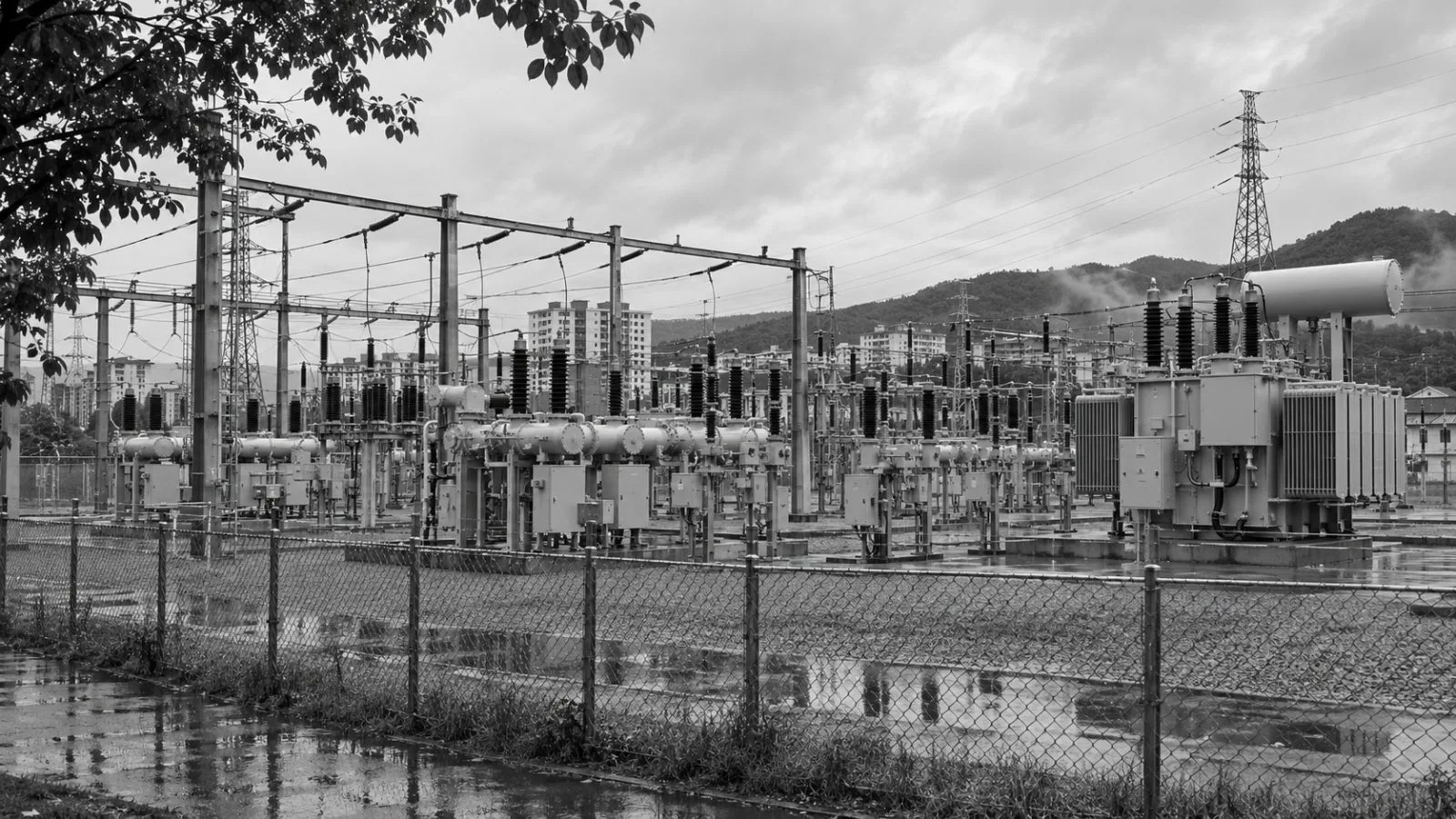
SF6 is used as insulation in high-voltage electrical equipment and as an etching gas in semiconductor manufacturing, according to the university. The research examines whether treating those emissions can also make use of waste brine from desalination.