


 FDA Adds Fatal Risk Warning to J&J and Legend Biotech’s Carvykti Cancer Therapy
  EU Gives Crypto Platforms Three Months to Remove USDT Under MiCA Rules
  Tencent Shares Fall as $5 Billion AI Bond Sale Weighed
  NASA Cuts Boeing Starliner Missions as SpaceX Pulls Ahead
  New York Declares Measles Disaster Emergency as Cases Surge
  Rising Rates Top Global Growth Risks as Wealthy Investors Favor Asia
  Polkadot Launches dotUSD Stablecoin as DOT Price Falls
  Elon Musk Accuses Indian Telecom Giants of Blocking Starlink Launch
  Apple Cuts iPhone 18 Pro Production Orders Amid Weak Demand
  David Schwartz to Reveal XRP Ledger Future at Ripple Swell 2026
  Neuralink Plans High-Volume Brain Implant Production and Fully Automated Surgery by 2026
  SpaceX Pivots Toward Moon City as Musk Reframes Long-Term Space Vision
  Disney Expands Infinity Vision to Challenge Imax
  HUTCHMED, AstraZeneca Seek FDA Approval for Lung Cancer Combo
  Novartis M&A Strategy Faces Investor Scrutiny After Drug Setbacks


 Add as a preferred source on Google
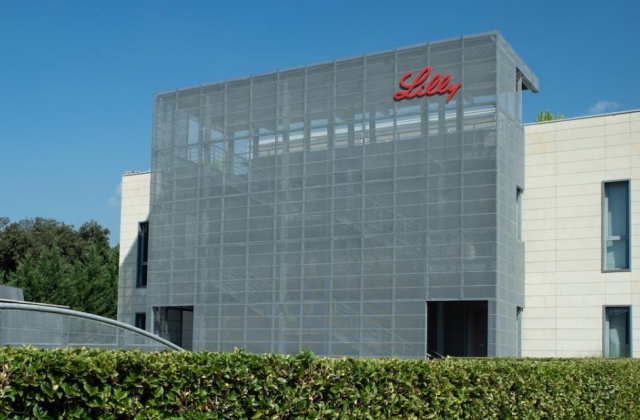
Eli Lilly has announced that the U.S. Food and Drug Administration (FDA) has approved its new therapy, Inluriyo, for the treatment of advanced or metastatic breast cancer in adult patients who have already undergone prior therapy. This milestone approval marks a significant advancement in addressing a challenging form of cancer that often resists standard treatments.
Metastatic breast cancer, also known as Stage IV breast cancer, occurs when cancer spreads beyond the breast and nearby lymph nodes to other organs such as the bones, liver, lungs, or brain. Certain breast cancers develop ESR1 mutations, which cause estrogen receptors to become overly active. While these receptors normally regulate cell growth, their mutation can accelerate cancer progression. Inluriyo directly targets these receptors by binding to and breaking them down, effectively blocking their activity to help slow disease progression.
The FDA’s decision was based on data from a late-stage clinical trial showing that patients treated with Inluriyo had a 38% lower risk of disease progression or death compared to those receiving standard therapies. On average, patients taking Inluriyo went 5.5 months without cancer worsening, versus 3.8 months with other treatments.
Inluriyo is an oral therapy recommended at a daily dose of 400 mg—taken as two 200 mg tablets on an empty stomach. The drug will be available in the U.S. within weeks at a list price of $22,500 per 28-day cycle. Eli Lilly highlighted that the medication carries an embryo-fetal toxicity warning, underscoring the risks of exposure during pregnancy.
The company is also investigating Inluriyo in combination with abemaciclib, another Lilly therapy, for advanced breast cancer, as well as in early-stage disease as adjuvant treatment.
With its approval, Inluriyo offers patients with metastatic breast cancer and ESR1 mutations a new, targeted treatment option that could improve outcomes and provide hope in one of the toughest stages of breast cancer.







