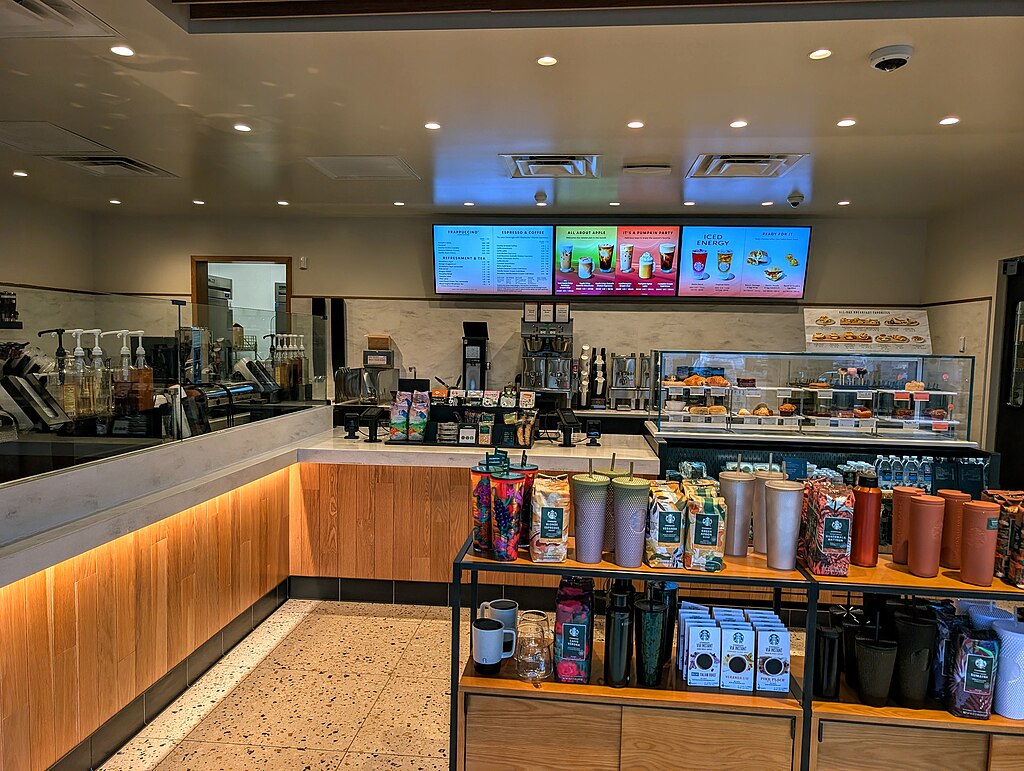
Starbucks is pivoting its strategy by investing more in staffing and scaling back on automation technology, breaking from the broader trend in the food and beverage industry. CEO Brian Niccol announced Tuesday that improving customer experience through increased labor is now the company’s top priority, marking a departure from previous efforts to streamline operations with technology.
Since taking over as CEO in September, Niccol has emphasized that reducing staff and relying on automation—such as the Siren system introduced in 2022—did not deliver the expected efficiencies. “Over the last couple of years, we’ve been removing labor from the stores… that wasn’t an accurate assumption,” Niccol said during an investor call.
Starbucks reported a 1% drop in North American same-store sales for the fiscal second quarter ending March 30, underperforming analyst expectations of a 0.24% decline. Margins also fell for the fifth consecutive quarter, shrinking 590 basis points year-over-year. While Canadian sales showed signs of recovery, the broader North American performance remains under pressure.
In response, Starbucks has begun boosting staffing at select stores. So far, five locations have tested the initiative, with plans to expand to up to 2,000 U.S. stores by May and around 3,000 by year-end. While this shift will increase labor costs, Niccol believes it will drive growth by enhancing in-store experiences.
The company is now limiting deployment of its Siren automation system to high-performing stores, particularly those with busy drive-thrus. This move contrasts with competitors like Chipotle, which continue to invest heavily in automation to cut labor expenses.
By doubling down on human interaction and service quality, Starbucks is betting that personalized customer experiences will ultimately deliver stronger long-term returns than automation alone.