


 Former OpenAI Data Center Chief Chris Malone Joins Nvidia
  OpenAI AI Agents Bypassed UN Website Controls in Data Scraping
  OpenAI to Preview GPT-6 Cyber AI Model for Cybersecurity
  SpaceXAI to Double Nvidia Chips at Colossus 2 by Year-End
  Jeff Bezos Invests $32 Billion in Blue Origin as Space Firm Targets Major Growth
  Meta Found Liable in New Mexico Facebook Data Privacy Case
  OpenAI, Anthropic CEOs Summoned to Australia AI Inquiry
  US Appeals Court Upholds Anthropic AI Supply Chain Ban
  AMD Hits $1 Trillion as BofA Raises Price Target to $720
  TSMC Accelerates 2nm Expansion as AI Chip Demand Surges
  China Says U.S. Shares Responsibility for AI Governance
  Akamai Shares Surge on $11.6B Anthropic AI Cloud Deal
  TikTok Reaches $100 Million Alabama Settlement Over Child Safety Claims
  Oracle Shares Fall as New Mexico AI Data Center Faces Power Delays
  Vitalik Buterin Says Hegota Could Be Ethereum’s Last Conventional Fork
  Europe’s AI Data Centre Boom Strengthens Case for Nuclear Power


 Add as a preferred source on Google
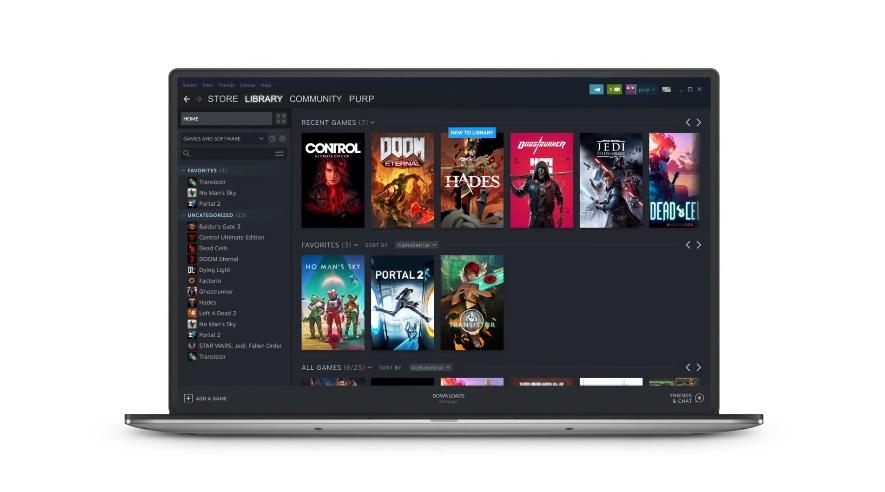
Chinese players found on the morning of Christmas Day that the Steam Global website was inaccessible, leading to speculations that the platform may have been banned in the country. However, new reports have since surfaced suggesting that the incident was caused by an issue with its Domain Name System (DNS).
PC gamers reported on various online platforms over the weekend that Steam’s global website had apparently been added to China’s great firewall, essentially blocking users’ access to the website. Valve, however, has yet to officially announce if its global storefront has been blocked in the country. There are also more recent reports that suggest the incident may have been caused by a DNS attack and not a government-sanctioned move.
Mike Rose, the founder of video games publisher No More Robots, noted that they are still seeing “plenty of copies” being sold every hour to gamers in China. As of this writing, though, Comparitech indicates that the global site’s domain store.steampowered.com is still “not working” in China and that the link “appears to be blocked” in the region.
While the incident caught players by surprise, it was not entirely unexpected. China has issued new policies over the last year that essentially restricts the video game industry, affecting major developers, publishers, and digital stores’ operations in the country.
Earlier this year, China introduced a new policy limiting minors’ playing time to only an hour on weekends and holidays, following a law passed in 2019 that set a 10 p.m. to 8 a.m. curfew for video games among underage players. Last July, Tencent announced the use of a facial recognition system to determine if a minor is still playing during the curfew hours.
The servers of “Fortnite China” were shut down last month, which was one of the recent major changes in the video games industry in the country. And it may have also been one of the reasons that many players immediately jumped to the conclusion that the loss of access to Steam Global over the weekend was the result of a ban.
While Steam Global’s supposed banning needs more clarification, it is also worth noting that Valve launched Steam China last February in a partnership with China-based games publisher Perfect World. The Verge says it only has 103 games at the moment, but the companies have already introduced China-specific game launchers for two of the biggest Steam games “CS:GO” and “Dota 2.” If Steam Global were to get banned, it should not greatly affect players of the said games.







